
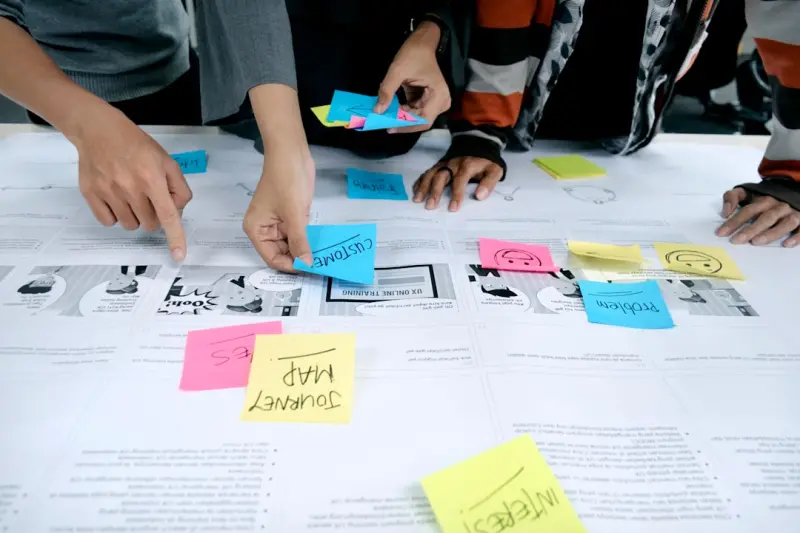
When I first dove into web design, I thought the biggest challenge was picking the perfect shade of teal for a hero banner. Fast forward a few projects, and I’ve learned that the real sprint isn’t about color palettes—it’s about the rhythm of the entire creative process. Design velocity has become my secret sauce, allowing me to move from concept to code without sacrificing depth or usability. I now treat every site like a short‑distance race: I warm up with research, hit the sprint phase with rapid prototyping, and cool down with meticulous testing. This mindset has reshaped how I collaborate with developers, copywriters, and clients, turning what used to be a marathon into a series of purposeful bursts of energy.
Embracing the Sprint Mindset in Layout Design
Layout design used to feel like a slow dance, each element placed with painstaking care. Today, I approach it like a sprint: I sketch low‑fidelity wireframes in ten‑minute intervals, then iterate based on immediate feedback. This rapid cadence uncovers hidden usability issues before they become costly redesigns. By keeping the process agile, I can experiment with asymmetrical grids, bold typographic hierarchies, and unexpected whitespace without the fear of “locking in” a mistake. The result? Sites that feel fresh, intuitive, and—most importantly—ready for the next wave of user expectations.
Speedy Prototyping with Interactive Tools
Tools like Figma and Adobe XD have turned my design sprint into a playground. I set a timer, draft a clickable prototype, and then invite stakeholders to a live walk‑through. The magic happens when feedback lands in real time; a single comment can reshape an entire navigation flow in minutes. This fast‑paced approach mirrors the energy of Sprint Your WordPress Site to Success: A Creative, Fast‑Paced Blueprint, where rapid iteration fuels both creativity and confidence. By the end of the sprint, I have a polished prototype that’s ready for handoff, eliminating the “design‑development gap” that often stalls projects.
Integrating Creative SEO from the Ground Up
Design and SEO used to be separate silos in my workflow. Now, I weave creative SEO strategies into the design sprint from day one, ensuring every heading, image alt tag, and meta description aligns with the brand’s voice and search goals. This integrated approach not only boosts rankings but also enhances the overall user experience, because relevance and readability go hand in hand. For a deeper dive on marrying creativity with SEO, check out SEO: How Creative SEO Supercharge Rankings, which offers a blueprint for turning design decisions into search‑engine gold.
Choosing the Right Hosting to Support a Fast‑Paced Site
Even the most beautifully designed site can stumble if the hosting environment can’t keep up with the sprint tempo. I’ve learned to evaluate shared hosting options with an eye for performance, scalability, and developer‑friendly tools. A lightweight, well‑optimized host ensures that page load times stay under the critical two‑second threshold, preserving the momentum built during the design sprint. For freelancers seeking a balance between cost and speed, the article Shared Hosting Secrets Every Creative Freelancer Should Know provides actionable tips that fit right into a sprint‑focused workflow.
Designing for Mobile‑First Sprints
Mobile users now dominate web traffic, so my sprint process always begins with a mobile‑first mindset. I sketch responsive breakpoints on paper before opening my design tool, ensuring the core experience translates seamlessly across screens. This early focus prevents the “desktop‑first” trap, where designers retroactively shrink layouts and lose crucial interactions. By treating mobile as the primary canvas, I create fluid experiences that feel natural whether a user is swiping on a phone or scrolling on a laptop. The sprint cadence keeps the team aligned, as every stakeholder can see the mobile prototype and provide instant, targeted feedback.
Content Strategy as a Sprint Partner
Content isn’t an afterthought; it’s a sprint partner that shapes the visual hierarchy from the outset. I collaborate with copywriters in time‑boxed sessions, mapping out key messages, calls to action, and microcopy that complement the design flow. This joint sprint reduces the back‑and‑forth revisions that typically bog down projects. When the copy lands, I instantly see how it influences typography, spacing, and even color contrast, allowing for immediate adjustments. The synergy between design and content accelerates delivery while preserving brand integrity.
Testing and Iteration in the Sprint Cycle
Testing isn’t a final checkpoint; it’s woven into every sprint iteration. I conduct rapid usability tests with a small group of real users, gathering qualitative data in under an hour. Those insights feed directly back into the design, prompting micro‑adjustments that improve navigation clarity and visual appeal. By the time the sprint concludes, the site has already undergone multiple rounds of refinement, dramatically reducing post‑launch bugs. This continuous loop mirrors the sprint philosophy of “fail fast, learn faster,” ensuring the final product is both robust and delightful.
Delivering the Final Sprint: Handoff and Launch
The handoff phase used to be a dreaded hand‑over of static files and vague notes. Now, I treat it as the final sprint sprint—quick, clear, and collaborative. I export design specs, component libraries, and interaction guidelines directly into the development environment, using plugins that sync with code repositories. This seamless transfer eliminates guesswork, allowing developers to start building immediately. The launch itself becomes a celebration of the sprint’s success: a site that’s live, fast, and ready to scale, reflecting months of focused, high‑velocity work condensed into a few intense weeks.
Reflecting on the Sprint Journey and Future Trends
Looking back, the shift to sprint‑driven web design has been a game‑changer for my workflow and client satisfaction. Projects that once dragged on for months now wrap up in weeks without sacrificing quality. The future points toward even tighter integration of AI‑assisted design tools, real‑time collaboration platforms, and performance‑first hosting solutions—all of which will amplify the sprint mindset. As designers, embracing speed doesn’t mean compromising depth; it means harnessing focused bursts of creativity to deliver exceptional, user‑centric experiences at a pace the modern web demands.

Jody Henderson is a passionate freelance writer, driven by a love for storytelling and a keen eye for detail. With a versatile skillset, she crafts compelling content across a variety of niches, from engaging blog posts to informative articles and persuasive marketing copy.
Related Posts
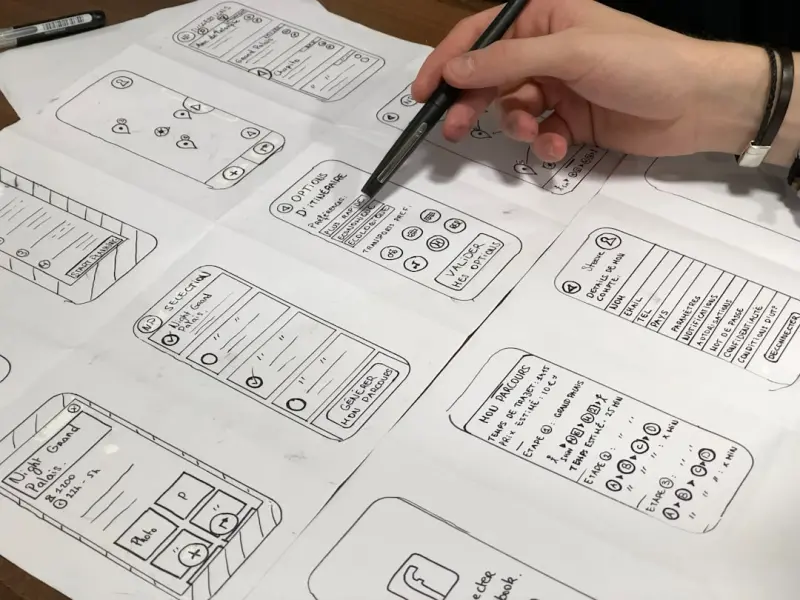
Designing for Cognitive Flow: How Web Interfaces Can Boost Human Focus
A deep dive into designing web experiences that nurture cognitive flow through contextual clarity, r... Read More
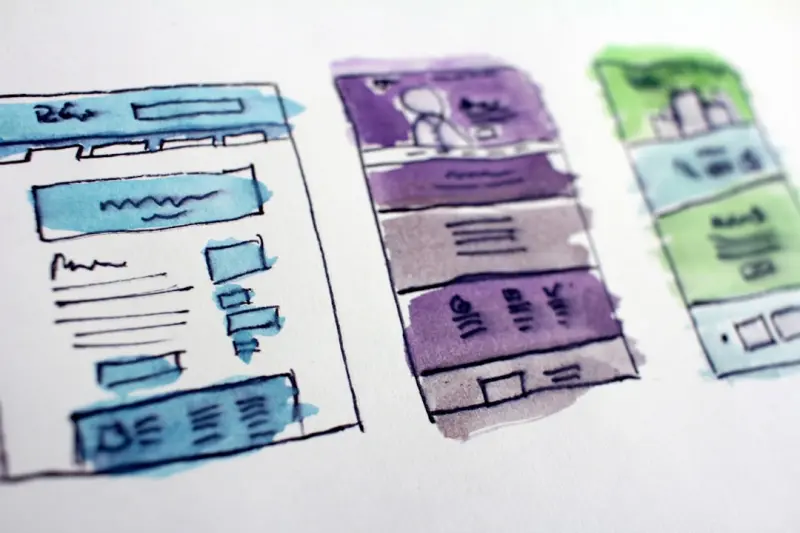
Why Micro‑Interactions Are the Secret Sauce of Modern Web Design
Micro‑interactions are the tiny, purposeful animations that turn ordinary clicks into memorable ex... Read More
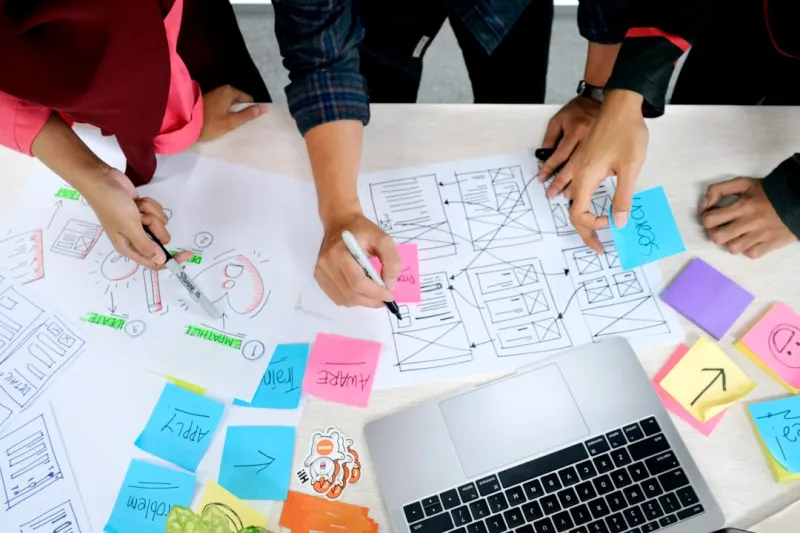
The Intersection of Web Design and Sustainable Living: A New Era of Digital Aesthetics
The intersection of web design and sustainable living is an exciting and rapidly evolving field. Lea... Read More
Top Posts

Step Into Signature Style: Curate Your Perfect Shoe Wardrobe
A fresh look at building a shoe wardrobe that balances daring designs with comfort and eco‑friendly choices, offering practical styling tips and smart shoppin...Read More

Observability as a Product: The New Frontline for SaaS Success
Treating observability as a product transforms raw metrics into a customer‑facing feature that builds trust, reduces support tickets, and drives revenue growt...Read More
When AI Becomes Your Co‑Creator: Rethinking B2B Storytelling
Artificial intelligence is no longer a lone genius but a collaborative partner. This post explores how B2B SaaS teams can co‑create compelling stories with AI...Read More
Beyond the Dashboard: Using Google Analytics to Fuel Product‑Led Growth
Discover a fresh approach to Google Analytics that goes beyond traffic reports—using event‑driven data, real‑time integrations, and privacy‑first practi...Read More
0 Comments
Post Comment
You will need to Login or Register to comment on this post!