

When I first held a wooden puzzle for my niece, I felt the same quiet thrill I get when I see a clean data pipeline finally run without hiccups. The joy of turning a jumble of pieces into a coherent picture mirrors the satisfaction of solving a complex SaaS integration problem. That moment sparked a question that has stuck with me ever since: what if the toys we give our children could be as thoughtfully engineered as the platforms we build for enterprises?
From Plastic Blocks to Intelligent Companions
For decades, the toy industry has been dominated by simple, tactile experiences—blocks, dolls, and board games. Those classics still have a place on the shelf, but the digital age has introduced a new generation of intelligent toys that blend physical interaction with adaptive software. Think of a plush robot that learns a child’s favorite stories, a building set that suggests new structures based on the child’s current creations, or a puzzle that lights up in response to solving patterns.
These toys aren’t just gimmicks; they’re built on the same principles that guide successful SaaS products: feedback loops, personalization, and scalability. The difference is that the end‑user is a child whose brain is wiring itself for lifelong learning.
Why AI Matters in Play
Artificial intelligence is often framed as a tool for enterprise efficiency, but its impact on play is profound. An AI‑powered toy can:
- Adapt in real time to a child’s skill level, offering just‑right challenges that keep them in a state of flow.
- Provide contextual storytelling, weaving the child’s name, interests, and recent experiences into narratives that feel personal.
- Gather subtle data—like the time a child spends on fine‑motor tasks—and feed it back into the design loop for continuous improvement.
This mirrors the micro‑storytelling approach in content strategy: delivering bite‑sized, relevant experiences that keep the audience (or child) engaged. When a toy learns and responds, it becomes a partner in the learning journey rather than a static tool.
Human‑Centric Design: The Secret Sauce
Even the smartest AI can’t replace the nuance of human empathy. The most successful intelligent toys are those that blend algorithmic precision with genuine emotional cues. Designers are borrowing from user‑experience research—like small wins that build confidence—and applying it to childhood development.
Consider a robot that celebrates a child’s first successful attempt at a complex puzzle with a unique dance and a personalized cheer. That moment of recognition fuels confidence, encouraging the child to tackle the next challenge. It’s the same principle we champion in product onboarding: celebrate milestones early to create momentum.
Sustainability Meets Tech
Parents today are increasingly conscious of the environmental footprint of their purchases. The toy industry is responding with materials that are biodegradable, recycled, or sourced responsibly. But sustainability isn’t just about the physical components; it’s also about the software that powers these toys.
By designing AI models that run efficiently on low‑power chips, manufacturers reduce energy consumption and extend battery life—meaning fewer replacements and less electronic waste. This aligns with the broader movement toward sustainable onboarding in tech, where every interaction is crafted to be as eco‑friendly as possible.
The Playful Learning Loop
Intelligent toys create a virtuous cycle:
- Engagement: The child interacts with the toy, sparking curiosity.
- Data Capture: Sensors and software collect subtle signals about the child’s behavior.
- Adaptation: The AI processes this data, adjusting difficulty or narrative in real time.
- Reward: The toy provides immediate, context‑aware feedback that reinforces learning.
- Iteration: Designers use aggregated, anonymized data to refine future product releases.
This loop mirrors the agile development cycles we love in SaaS: release, measure, learn, iterate. The only difference is that the metrics are developmental milestones rather than conversion rates.
Bridging Generations
One unexpected benefit of intelligent toys is their ability to act as a bridge between generations. Grandparents who grew up with wooden trains can now sit beside their grandchildren, co‑playing with a smart train set that narrates historical facts while teaching modern coding concepts. The shared experience becomes a conversation starter, blending nostalgia with forward‑thinking education.
In my own family, I’ve seen my mother’s eyes light up as she watches her grandson program a robot to navigate a simple maze. The robot’s voice offers gentle prompts in both Mandarin and English, fostering bilingual development while giving my mother a role as a cultural guide. This multi‑layered interaction is something static toys could never achieve.
Challenges on the Horizon
While the potential is exciting, there are challenges to navigate:
- Privacy: Collecting data from children raises ethical and regulatory concerns. Transparent data policies and on‑device processing are essential.
- Affordability: High‑tech toys can be pricey, risking a divide where only some families can access advanced learning tools.
- Longevity: Rapid tech cycles risk making toys obsolete quickly. Designing modular hardware that can receive software updates helps extend lifespan.
Addressing these issues requires the same rigor we apply to enterprise security and product lifecycle management. The stakes feel personal, because the “customers” are our children.
Future Trends to Watch
Looking ahead, I’m excited about three emerging trends that could reshape the toy landscape:
- Mixed‑Reality Playgrounds: Combining AR glasses with physical toys to create immersive learning environments that blur the line between the digital and the tangible.
- Open‑Source Toy Platforms: Communities of parents, educators, and developers collaborating to build customizable, hackable toys—much like open‑source SaaS ecosystems.
- Emotion‑Recognition Sensors: Using subtle cues like facial expressions and tone of voice to gauge a child’s emotional state, allowing toys to respond with empathy and appropriate challenges.
Each of these trends leverages core SaaS concepts—API ecosystems, community‑driven development, and real‑time analytics—applied to the realm of childhood imagination.
Conclusion: Play as a Platform
In the same way we think of SaaS as a platform for business growth, we can envision a future where play itself becomes a platform for personal development. Intelligent toys, built on principles of adaptability, sustainability, and human‑centric design, have the power to nurture curiosity, foster resilience, and connect generations.
If we treat the development of these toys with the same care we give to our most critical software products—prioritizing feedback loops, ethical data handling, and continuous iteration—we’ll not only create more engaging play experiences but also lay a stronger foundation for the innovators of tomorrow.

Mei Chen is a dynamic professional who brings a unique blend of skills to Blogging Fusion. As a key contributor to the Blogging Fusion platform, she leverages her writing expertise to create engaging content that resonates with our audience.
Related Posts
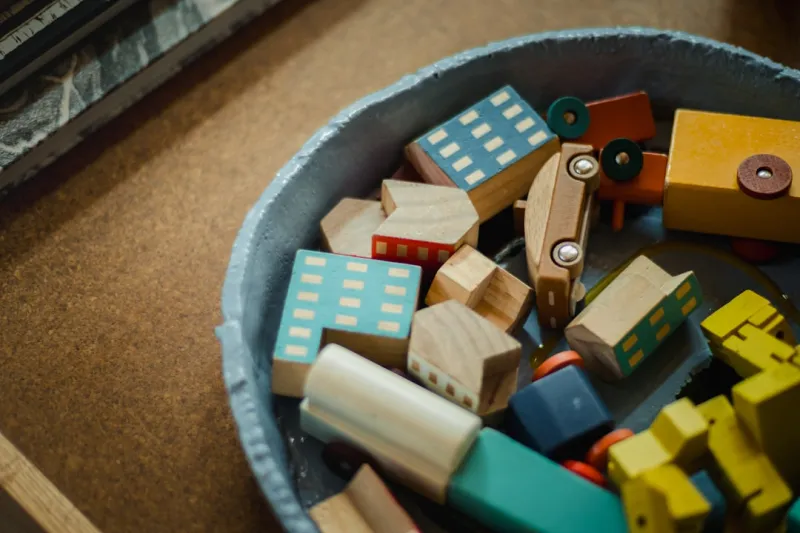
The Evolution of Eco-Friendly Toys: A Sustainable Approach to Playtime
The toy industry is evolving with a growing emphasis on sustainability and eco-friendliness. Learn h... Read More
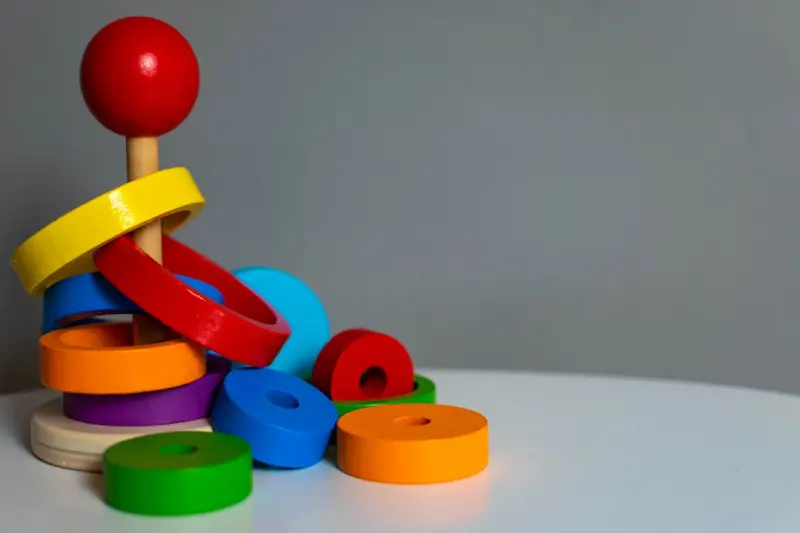
When Toys Get Smart: How AI Is Reimagining Playtime
AI-powered toys are reshaping childhood by offering personalized, interactive experiences. Discover ... Read More

Playtime Revolution: How Sensors, Sustainability, and AI Are Redefining Toys
A deep dive into the three megatrends—sensor‑enabled play, sustainable materials, and AI‑drive... Read More
Top Posts
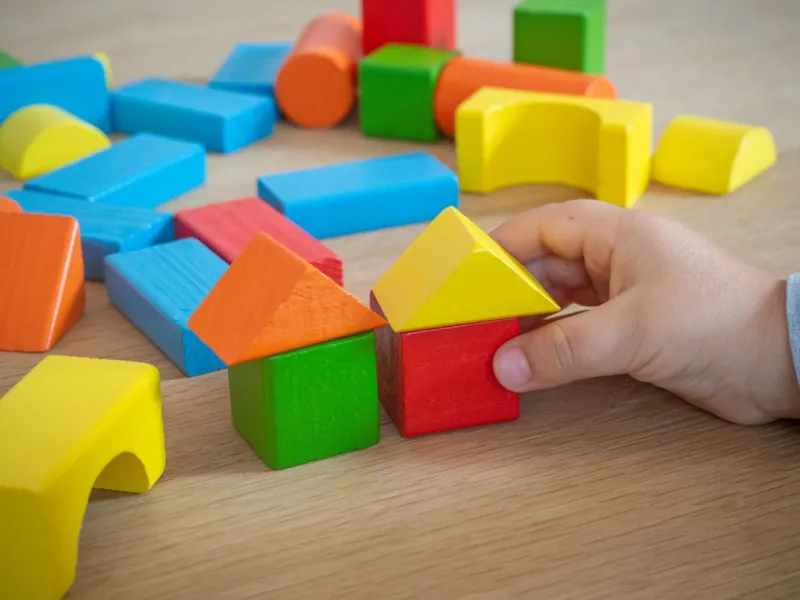
The Power of Play: How Toys Can Shape Our Childhood and Beyond
Toys play a vital role in shaping childhood experiences, from developing essential skills to creating lasting memories. Learn how toys impact mental wellbeing, ...Read More

Light Up Your Home With New Wall Art
The art of home decoration is not just about filling up empty spaces with objects; it's about creating a unique ambiance that reflects your personality and enha...Read More

Turning Workdays into Wander Days: The Remote‑First Vacation Revolution
A guide to remote‑first vacations that merges productivity with adventure, offering tech tips, itinerary templates, and real‑world case studies for modern p...Read More

Why Your Kitchen Appliances Need a Software Upgrade (And How to Make It Happen)
A deep dive into the three pivotal shifts—ambient integration, predictive maintenance, and sustainable performance—that are turning everyday kitchen applian...Read More
0 Comments
Post Comment
You will need to Login or Register to comment on this post!