

Why Your Kitchen Appliances Need a Software Upgrade (And How to Make It Happen)
When I first moved into a house that felt more like a tech sandbox than a traditional home, I realized something: the appliances we rely on daily are still operating on the same analog logic they did a decade ago. I’m talking about the fridge that beeps at 2 am because it thinks the door is open, the oven that can’t remember your preferred bake settings, and the washing machine that treats every load the same. As a lifelong SaaS enthusiast, I see a clear pattern—software has become the differentiator in every industry, and appliances are no exception.
In this post, I’ll walk you through three pivotal shifts that are turning ordinary kitchen gear into intelligent, adaptive teammates. By the end, you’ll have a roadmap for turning your home’s “dumb” appliances into a cohesive, data‑driven ecosystem that not only saves you time and money but also aligns with the sustainability goals many of us are chasing.
1. The Rise of Ambient Appliances: From Stand‑Alone to Seamlessly Integrated
Think back to the first time you used a smart speaker. It didn’t just add a voice‑controlled assistant; it introduced a whole new way of interacting with your environment without ever looking at a screen. That’s the essence of ambient computing in software—technology that fades into the background while delivering context‑aware experiences.
Appliances are following suit. Modern refrigerators now track inventory, suggest recipes based on what’s inside, and even reorder groceries when you’re running low. Smart ovens can preheat based on your calendar, recognizing that you have a dinner reservation at 7 p.m. and adjusting cooking cycles accordingly. These devices aren’t just “connected”; they’re becoming ambient—they anticipate needs before you consciously ask for them.
- Context awareness: Sensors detect temperature, humidity, and usage patterns, feeding that data into cloud‑based algorithms that fine‑tune performance.
- Zero‑interaction design: You don’t need to open an app to set the dishwasher; it learns from your past cycles and selects the optimal wash automatically.
- Unified control plane: A single hub (often a voice assistant or a mobile dashboard) orchestrates all appliances, providing a bird’s‑eye view of energy consumption and maintenance alerts.
The key takeaway? The future isn’t about “smart” as a buzzword; it’s about appliances that operate invisibly, delivering value without demanding attention. That’s why you should start evaluating each appliance on its ability to integrate into an ambient ecosystem, not just on its connectivity.
2. Data‑Driven Maintenance: Turning Service Calls into Predictive Insights
Ever called a repair service because your dryer suddenly stopped working? For most of us, appliance maintenance is a reactive, expensive game of “wait for it to break.” SaaS platforms have taught us that data can flip that script.
By installing low‑cost IoT sensors that monitor vibration, motor current, and temperature, manufacturers can stream telemetry to a cloud service that runs AI‑powered developer tools for predictive analytics. The result? A maintenance alert on your phone before the dryer’s belt actually snaps.
- Early fault detection: Machine‑learning models spot anomalies that a human eye would miss, flagging issues days in advance.
- Optimized service routes: When a technician is needed, the system provides exact diagnostics, reducing time on site and cutting down on unnecessary parts.
- Extended appliance lifespan: Preventive care means components aren’t pushed to failure, translating into years of added value.
From a homeowner’s perspective, this translates into fewer emergency calls, lower repair costs, and peace of mind. From a manufacturer’s perspective, it opens a recurring revenue stream: subscription‑based health monitoring that can be bundled with warranty extensions.
3. Sustainable Performance: Leveraging Software to Cut Energy Waste
Energy bills are the silent pain point of any household with multiple appliances running simultaneously. While many appliances tout “energy‑star” ratings, those labels are often based on static testing conditions that don’t reflect real‑world usage.
Software can bridge that gap by continuously optimizing performance based on real‑time data. Here’s how:
- Dynamic load balancing: When the grid is under strain, your smart fridge can shift its cooling cycles to off‑peak hours, reducing demand charges.
- Smart scheduling: Your dishwasher learns that a 30‑minute wash at 50 °C uses less energy than a 90‑minute cycle at 70 °C for lightly soiled dishes, and suggests the most efficient option.
- Feedback loops: Integrated dashboards show you which appliances are the biggest energy hogs, encouraging behavior changes and helping you set actionable goals.
What’s exciting is that many of these features can be added through over‑the‑air (OTA) updates, just like smartphones. A fridge you bought five years ago could receive a new algorithm that reduces its power draw by 15 % without any hardware changes.
Building Your Smart Appliance Strategy: A Step‑by‑Step Playbook
Now that we’ve covered the three core trends, let’s translate them into an actionable plan you can start implementing today.
- Audit your current appliances. List each device, note its connectivity features, and identify which ones already support OTA updates.
- Choose a central hub. Whether it’s a dedicated smart home hub, a voice assistant, or a custom dashboard, ensure it can act as the “brain” for all devices.
- Prioritize data collection. Install sensors where necessary (temperature, vibration, power usage). Many modern appliances already have built‑in sensors; you may only need to enable them.
- Leverage existing SaaS platforms. Look for services that provide appliance analytics, predictive maintenance, and energy management out of the box. This avoids building everything from scratch.
- Implement OTA update policies. Ensure you’re signed up for firmware updates and that you have a backup plan in case an update fails.
- Measure and iterate. Use the hub’s dashboard to track energy consumption, maintenance alerts, and usage patterns. Adjust settings based on real‑world data.
By following this roadmap, you transform a collection of isolated gadgets into a cohesive, intelligent system that works for you—saving time, money, and the planet.
Looking Ahead: What’s Next for Appliance Intelligence?
We’re standing at the intersection of three powerful forces: ambient computing, AI‑driven analytics, and sustainability mandates. The next wave of appliances will likely blur the line between hardware and software even further, offering features like:
- Cross‑appliance orchestration: Your coffee maker starts brewing when your smart alarm detects you’re awake, and your toaster adjusts its settings based on the humidity data from the fridge.
- Community‑driven optimization: Devices share anonymized performance data with each other, enabling fleet‑wide improvements without needing a manufacturer’s direct intervention.
- Voice‑first, context‑aware interactions: Instead of “turn on the oven,” you’ll say, “prepare a lasagna for dinner at 7 p.m.,” and the system will handle pre‑heat, timing, and even order the missing ingredients.
These advancements will only be possible if we start treating appliances as software platforms today. The sooner we embed data, intelligence, and connectivity, the more we’ll unlock the true potential of the modern home.
So, whether you’re a tech‑savvy homeowner, a forward‑thinking appliance manufacturer, or a SaaS entrepreneur eyeing the next big vertical, the message is clear: the future of appliances is software‑first. And the time to act is now.

Tyler Johnson is a seasoned freelance writer with a keen eye for detail and a passion for crafting compelling narratives. His years of experience have honed his ability to adapt his style to suit diverse client needs and project requirements.
Related Posts
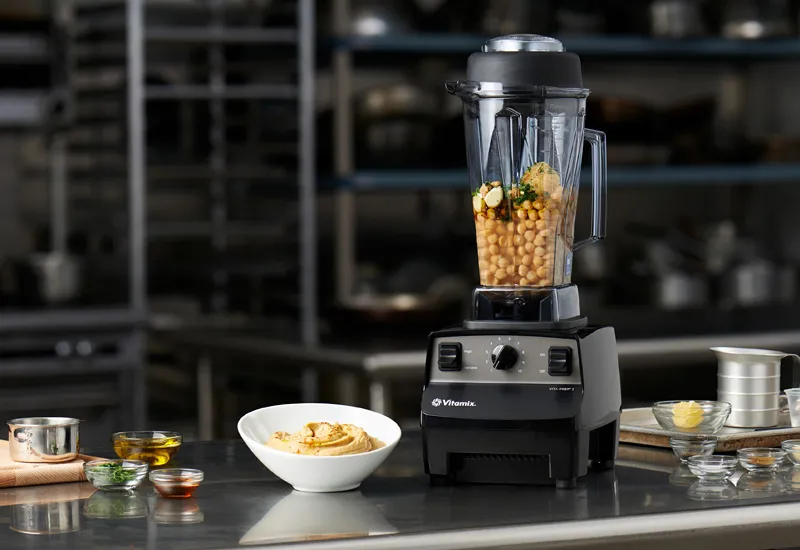
The Culinary Popularity of Vitamix Blenders
In the landscape of modern kitchen appliances, few brand names command the almost religious reverenc... Read More
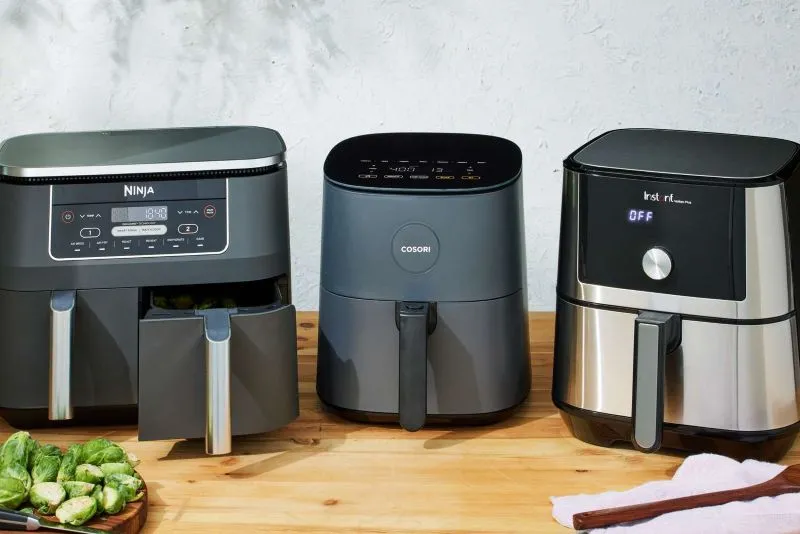
The Ultimate Guide to the Best Air Fryers and Their Health Benefits
Air fryers have revolutionized modern cooking, offering a tantalizing blend of convenience and healt... Read More
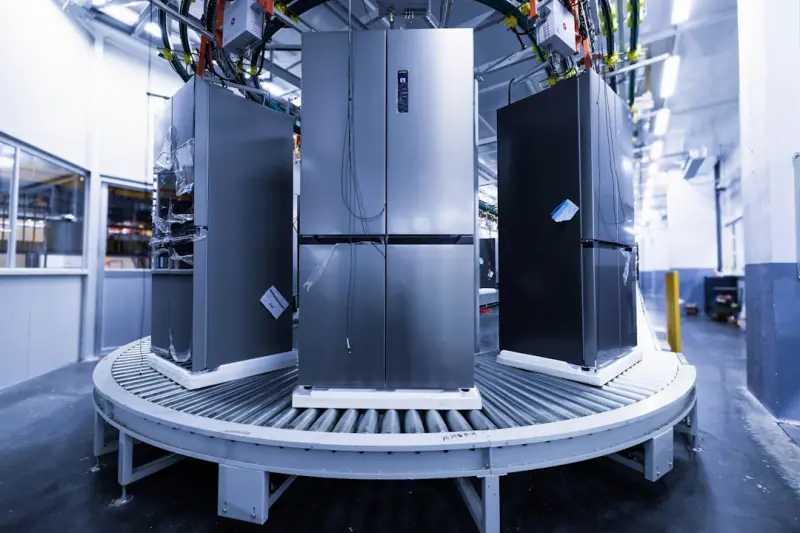
Predictive Maintenance: Turning Your Appliances Into Proactive Partners
Explore the rise of predictive maintenance in home appliances, learning how smart sensors, AI, and s... Read More
Top Posts

Shared Hosting Reimagined: Power Moves for Modern Web Ventures
Shared hosting can still be a strategic launchpad for SaaS products when paired with smart caching, CDN usage, and layered security, offering speed, low cost, a...Read More

When Software Becomes Invisible: The Rise of Ambient Computing in Enterprise SaaS
Ambient computing is redefining enterprise SaaS by delivering context‑aware insights when they’re needed, reducing friction, and creating invisible yet powe...Read More

Micro‑Frontends: Scaling UI Development for Enterprise SaaS
Micro‑frontends let teams build, test, and deploy UI pieces independently, reducing release cycles and risk while delivering a cohesive, high‑performance us...Read More
Unlocking the Next Wave of SEO: Semantic Clustering and AI‑First Strategies
This post explores the evolution of SEO beyond keywords, introducing semantic clustering, AI‑driven content pipelines, privacy‑centric indexing, and voice s...Read More
0 Comments
Post Comment
You will need to Login or Register to comment on this post!