

Why I’m Obsessed with the New Wave of Kitchen Gadgets
After years of juggling a full‑time job, a bustling family, and a never‑ending to‑do list, I finally gave in to the temptation of a countertop that could think for itself, and the experience was nothing short of eye‑opening; I discovered that a refrigerator that alerts you when milk is about to spoil can actually shave minutes off your morning routine, while a dishwasher that maps each rack for optimal water flow feels like a silent partner in the quest for a cleaner kitchen. The moment I paired a smart oven with my phone, I realized that “set‑and‑forget” was no longer a marketing slogan but a daily reality, as the appliance adjusted temperature in real‑time based on humidity and the specific cut of meat I was cooking, delivering a level of precision I never imagined possible. What started as a curiosity quickly morphed into a full‑blown passion, because every appliance that learns my habits seems to whisper, “I’ve got you,” and that reassurance is priceless in a world that constantly demands more from us.
The Evolution from Mechanical to Meaningful
Decades ago, kitchen appliances were glorified versions of simple levers and heating elements, built to perform a single function with little regard for the user’s lifestyle, but today’s devices are infused with sensors, connectivity, and predictive algorithms that turn a mundane task into a data‑driven experience, allowing you to monitor energy consumption, set personalized cooking profiles, and even receive recipe suggestions based on what’s already inside your pantry. The shift is not merely about adding Wi‑Fi; it’s about creating ecosystems where a coffee maker can talk to a smart plug, which in turn coordinates with a home‑energy manager to run during off‑peak hours, dramatically reducing the household’s carbon footprint while still delivering that steaming cup at sunrise. For me, watching this transformation unfold has been like witnessing a quiet revolution that respects both the planet and my limited time, and I can’t help but feel a surge of optimism whenever I unbox a new piece of tech that promises to blend convenience with conscience.
Hidden Sustainability Benefits You Might Miss
When I first installed a high‑efficiency refrigerator that integrates with my home‑energy system, I was surprised to learn that it does more than just keep food cold; it constantly analyzes temperature zones, adjusts compressor speed, and even predicts when you’ll need to restock, which reduces waste and trims electricity use by up to fifteen percent, a figure that translates into tangible savings on the utility bill and a smaller environmental footprint. This kind of energy‑efficiency is amplified when appliances are linked to community power solutions, and that’s why I was thrilled to read the recent piece on how community microgrids are reshaping energy distribution, because it highlighted how a network of smart appliances can collectively respond to grid signals, shifting heavy loads like laundry cycles to moments when renewable energy is abundant, thereby maximizing the impact of green power sources. The takeaway for anyone hesitant about “smart” devices is that the hidden algorithmic intelligence can turn everyday chores into opportunities for climate‑positive action, making sustainability feel less like a sacrifice and more like an integrated part of daily life.
Design That Speaks to Your Soul
Beyond the tech, the aesthetic evolution of appliances has been a game‑changer for me; I no longer hide the dishwasher behind a cabinet door, but proudly display a sleek, stainless‑steel unit that doubles as a visual anchor, reinforcing the idea that functionality can coexist with beauty, especially when manufacturers offer customizable panels that mimic natural textures or bold colors, turning a utilitarian object into a statement piece. I recently paired a smart range hood with a set of reclaimed wood panels, a move inspired by the article on curated upcycled art, which taught me that sustainability can be woven into design choices, and the result was a kitchen that feels both modern and grounded, echoing my personal values without compromising on performance. This marriage of form and function has encouraged me to view each appliance not as a hidden utility but as an opportunity to curate a space that reflects who I am, proving that technology and artistry can indeed share the same countertop.
Multi‑Functionality: One Appliance, Many Jobs
One of the most liberating revelations of my recent appliance upgrade journey has been the rise of true multi‑functional devices, such as a pressure‑cooker‑air‑fryer combo that seamlessly switches between tender braising and crisp roasting, eliminating the need for separate gadgets and freeing up valuable counter space that would otherwise be cluttered with single‑purpose tools, a boon for anyone living in a smaller home or simply craving a cleaner aesthetic. These hybrid machines often come equipped with intuitive touchscreens that guide you through a library of preset recipes, adjusting cooking time and temperature on the fly, which means I can toss a handful of vegetables into the pot and walk away confident that the appliance will deliver perfectly roasted results without any guesswork. The real magic, however, lies in the data they collect; by tracking usage patterns, the device can suggest future meals that align with my dietary goals, effectively becoming a silent sous‑chef that learns my palate and evolves alongside my culinary ambitions.
Balancing Upfront Costs With Long‑Term Savings
It’s easy to be dazzled by glossy product pages and dismiss the price tag as an obstacle, but a deeper dive reveals that the initial investment in a smart, energy‑aware appliance often pays for itself within a few years through reduced utility bills, lower maintenance expenses, and the avoidance of premature replacements that plague older, less efficient models; for instance, a modern induction cooktop uses up to ninety percent less energy than a traditional gas range, translating into noticeable savings that accumulate over time. Moreover, many manufacturers now offer subscription‑based services that provide software updates, predictive maintenance alerts, and extended warranties, turning what could be a one‑off purchase into a continuous value stream that safeguards against unexpected breakdowns. By evaluating the lifecycle cost rather than just the sticker price, I’ve learned to make decisions that align with both my budget and my desire to minimize waste, proving that smart spending and smart technology can walk hand‑in‑hand.
Maintenance Made Simple—or Not?
While the promise of “set‑and‑forget” is alluring, the reality of maintaining a connected appliance ecosystem requires a bit of diligence; firmware updates must be applied regularly to keep security patches current, and sensors need periodic cleaning to ensure accuracy, especially in humid environments where mineral buildup can interfere with water filtration systems in dishwashers and washing machines, but the payoff is a smoother operation that reduces the likelihood of costly repairs down the line. I’ve found that the best strategy is to schedule a quick monthly check‑in, using the appliance’s companion app to run diagnostic scans that flag any anomalies before they become major issues, a routine that feels less like a chore and more like a health check for the heart of my home. In my experience, the devices that provide clear, actionable alerts earn my trust, while those that remain silent until a failure occurs quickly lose favor, reinforcing the notion that transparency is a critical component of any successful smart‑home experience.
Future‑Proofing Your Kitchen Today
Looking ahead, I’m excited by the prospect of appliances that not only respond to our commands but also anticipate our needs, leveraging machine‑learning models that analyze seasonal eating habits, grocery delivery schedules, and even local weather forecasts to suggest optimal cooking times and energy usage, thereby turning the kitchen into a proactive hub rather than a reactive space; imagine a refrigerator that orders fresh produce when it detects that you’re low on ingredients, or an oven that preheats using surplus solar energy stored in your home battery during a sunny afternoon. Embracing these advances now means investing in devices built on open standards and modular hardware, ensuring that as new features roll out, your existing appliances can adapt without requiring a complete overhaul, a principle that aligns with both financial prudence and environmental responsibility. My takeaway for readers is simple: choose appliances that promise longevity, adaptability, and a clear roadmap for updates, because the true value of today’s smart kitchen lies not just in the convenience it offers now, but in the possibilities it unlocks for tomorrow.

Armed with a degree in English Literature, Jill’s journey into the digital space wasn't just a career move; it was a natural extension of her lifelong love affair with storytelling. While some writers view search engine optimization (SEO) as a rigid constraint, Jill sees it as a creative puzzle. She understands the delicate art of balancing the algorithmic demands of search engines with the human desire for resonance, emotion, and value. To Jill, keywords aren't just targets to hit; they are the breadcrumbs that lead eager readers straight to the answers they’ve been searching for.
Related Posts
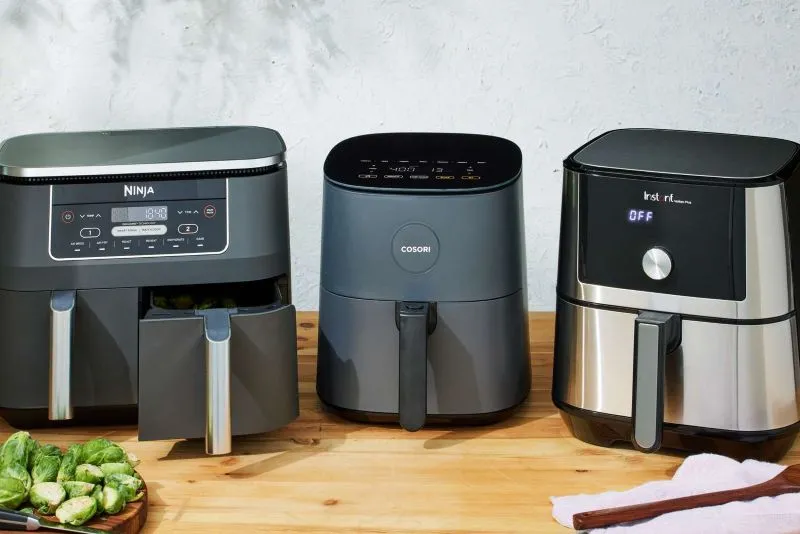
The Ultimate Guide to the Best Air Fryers and Their Health Benefits
Air fryers have revolutionized modern cooking, offering a tantalizing blend of convenience and healt... Read More

The Benefits of Juicers
In an increasingly health-conscious world, the pursuit of optimal well-being often leads us back to ... Read More

The Predictive Maintenance Wave: Extending the Life of Everyday Appliances
Explore the rise of predictive maintenance for household appliances, how sensors and AI prevent brea... Read More
Top Posts

Rethinking Enterprise Networking for a Distributed World
A practical guide to moving from legacy LANs to an intent‑driven, zero‑trust network fabric that delivers security, performance, and agility for distributed...Read More
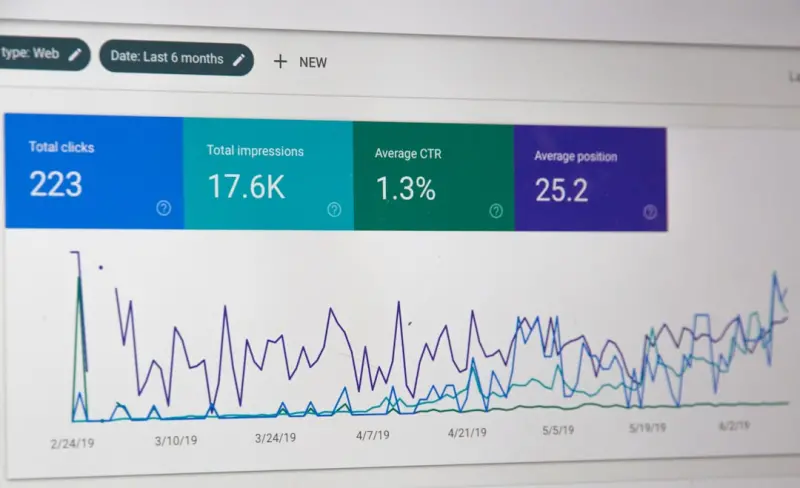
Cracking the Bing Algorithm: Fresh Strategies for Modern Marketers
Bing is evolving with AI, local focus, and deeper Microsoft integration. This guide reveals how to structure content, optimize for voice, earn high‑quality li...Read More

Skill-Based Gaming: The New Frontier of Modern Gambling
A deep dive into the rise of skill‑based gambling, examining how interactive video‑game elements are transforming casino floors, boosting engagement, and op...Read More

Ensure your snowblower is ready this winter
The arrival of winter transforms property management into a logistics challenge. When heavy snow falls, reliable clearance is not merely a convenience—it is a...Read More
0 Comments
Post Comment
You will need to Login or Register to comment on this post!