
Security is often framed as a checklist: firewalls, encryption, multi‑factor authentication. In practice, especially for fast‑moving SaaS teams, that checklist becomes a nightmare of siloed processes and last‑minute fire drills. What if we could weave security directly into the fabric of our agile development cycles, turning threat mitigation into a continuous, collaborative habit rather than an after‑the‑fact sprint?
The missing link: continuous threat modeling
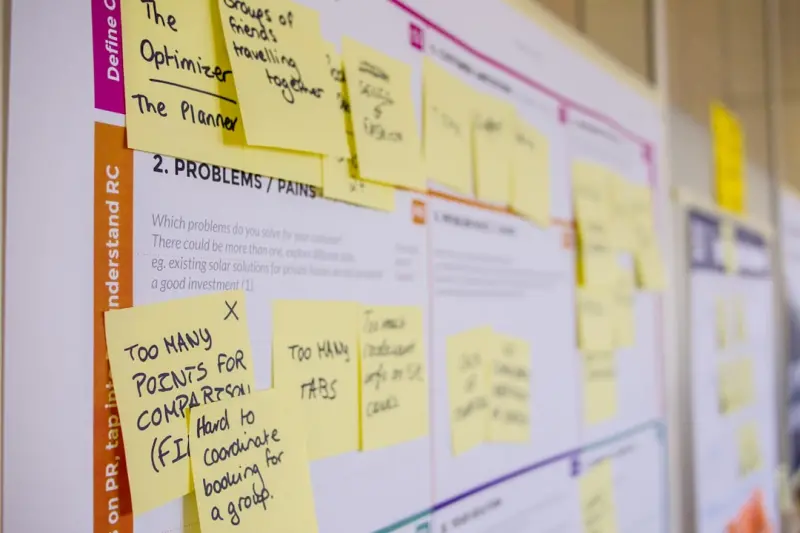
Traditional threat modeling is a heavyweight, quarterly‑or‑yearly exercise. Teams gather in a conference room, sketch data flow diagrams, and emerge with a static list of mitigations that quickly become stale as features ship. The reality of SaaS development is a rapid cadence of feature flags, A/B tests, and incremental releases. To protect customers at this speed, threat modeling must evolve from a periodic ceremony into a live, iterative practice.
Enter security playbook thinking. Instead of a single, monolithic document, imagine a modular, version‑controlled set of threat models that travel with the code. Each new user story triggers a lightweight threat assessment that is captured in the same repository as the feature’s source code. When the pull request is opened, automated checks surface any new attack vectors, and the team can address them before the code lands in production.
Why “lightweight” matters
Heavyweight threat modeling suffers from two fatal flaws:
- Context loss: When models are divorced from the codebase, developers lose sight of the real‑world implications of their changes.
- Stale knowledge: Security knowledge becomes outdated the moment a new library or third‑party API is introduced.
A lightweight approach mitigates both. By embedding threat considerations directly into the user story and acceptance criteria, the team maintains context. And because the model lives alongside the code, any dependency upgrade automatically flags a re‑evaluation.
Embedding threat modeling in the agile workflow
Here’s a step‑by‑step guide you can start using tomorrow:
- Define a threat modeling template: Keep it to three sections—Asset, Threat, Mitigation. Store the template as a markdown file in the repo.
- Integrate into the backlog grooming: During story refinement, the product owner and a security champion (often a senior engineer) fill out the template. This takes no more than five minutes per story.
- Automate validation: Add a CI check that scans the repository for newly added threat templates. If a story lacks a filled template, the build fails.
- Review in code review: Treat the threat model as part of the code review checklist. Reviewers verify that the mitigation aligns with the implementation.
- Update continuously: When bugs are discovered or new dependencies added, the associated threat model is revisited in the next PR.
This workflow transforms threat modeling from a “once‑a‑quarter” task into a daily habit, dramatically reducing the window between discovery and remediation.
Leveraging cross‑functional expertise
The most successful security initiatives are those that break down silos. In a SaaS environment, you have product, engineering, compliance, and sometimes even sales feeding into the same roadmap. By making threat modeling a shared artifact, each discipline gains visibility into the risk posture of upcoming releases.
For example, the compliance team can annotate the threat model with regulatory references (e.g., GDPR, CCPA) without having to request separate audits. Sales can see which mitigations are in place for high‑value enterprise customers, turning security into a differentiator rather than a hidden cost.
Tooling tips: making the invisible visible
While a simple markdown file works, a few tooling enhancements can amplify the impact:
- Version control hooks: Use pre‑commit hooks to enforce template completeness.
- Visualization plugins: Convert markdown threat entries into interactive diagrams with tools like Mermaid or PlantUML, allowing non‑technical stakeholders to grasp the risk landscape at a glance.
- Metrics dashboards: Aggregate threat model data to surface trends—e.g., most common asset types, recurring threat categories, or mitigation latency.
These visual and data‑driven cues turn abstract security concepts into concrete, actionable insights that leadership can champion.
Case study: from “security afterthought” to “security by design”
One mid‑size SaaS provider was struggling with recurring data exposure incidents tied to third‑party integrations. Their security team was reactive, spending weeks patching vulnerabilities after they were discovered in production.
After adopting the continuous threat modeling workflow, the team saw a 70% reduction in post‑release incidents within three months. By embedding a threat assessment into each integration ticket, they caught insecure API configurations before code merged. Moreover, the transparent threat model gave the compliance officer the evidence needed to pass a rigorous audit without additional effort.
Scaling the practice across multiple squads
Large organizations often have dozens of autonomous squads. Scaling continuous threat modeling requires a few guardrails:
- Standardized templates: While squads can add custom fields, the core sections remain uniform to enable organization‑wide reporting.
- Security champion network: Identify a champion in each squad who mentors peers and escalates complex threats to the central security team.
- Centralized knowledge base: Aggregate anonymized threat models into a searchable repository. New squads can learn from past mitigations, reducing duplicated effort.
When each squad treats threat modeling as part of its definition of done, security becomes a natural byproduct of rapid delivery.
Beyond code: protecting the data pipeline
Most SaaS products now process streams of data—logs, events, user‑generated content. Threat modeling must extend to these pipelines. Ask yourself:
- What data is flowing through each connector?
- Where could an attacker inject malicious payloads?
- What validation and sanitization steps are in place?
By mapping data flow alongside feature stories, you can spot “data‑in‑the‑wild” scenarios that traditional code‑centric models miss. This holistic view is especially crucial for services that expose public APIs or support third‑party extensions.
Balancing speed and security with risk‑based prioritization
Not every threat warrants an immediate fix. Continuous threat modeling shines when paired with a risk‑based approach. Assign each threat a simple score based on impact (e.g., data sensitivity) and likelihood (e.g., exposure surface). Use that score to prioritize remediation in the sprint backlog.
This avoids the “security overload” syndrome, where teams feel forced to address every minor finding before shipping. Instead, they focus on high‑impact risks while still documenting lower‑impact items for future sprints.
Human factors: fostering a security mindset
Technical processes only go so far. The cultural shift toward security as a shared responsibility is the true engine of change. Here are three low‑effort habits that embed security thinking:
- Daily “threat huddles”: Spend the first five minutes of stand‑up reviewing any new threats added to the backlog.
- Peer‑review rotations: Rotate security champion duties so every engineer experiences the threat modeling workflow.
- Celebrating wins: Publicly acknowledge squads that close high‑risk threats ahead of schedule. Recognition reinforces the behavior.
Linking knowledge across the organization
One powerful way to spread security literacy is to connect threat modeling with other learning initiatives. For instance, the structured idea vault concept can be repurposed for security ideas—capturing emerging threats, mitigation patterns, and lessons learned in a central, searchable vault. When a new engineer joins the team, they can browse the vault to understand historical security decisions, accelerating onboarding and reducing repeat mistakes.
Looking ahead: the future of continuous security
As SaaS platforms become more composable—leveraging micro‑services, serverless functions, and third‑party marketplaces—the attack surface will only expand. Continuous threat modeling equips organizations to stay ahead of that curve, turning security from a reactive band‑aid into a proactive, data‑driven discipline.
In practice, this means that every line of code, every API contract, and every data transformation carries an implicit security question: “What could go wrong, and how do we stop it?” By embedding that question into the everyday rhythm of agile work, you not only protect your customers but also build a resilient, trustworthy brand.
If you’re ready to shift from “security after the fact” to “security by design,” start small. Pick a single squad, adopt the lightweight threat template, and let the momentum build. The payoff isn’t just fewer incidents; it’s a culture where security is everyone’s job, and every release is a step forward, not a step back.

Freelance writer with a flare for everything. I am passionate about topics I write crafting stories and compelling content that connect with audiences. Journeying through the realms of creativity as a freelance creator. #WriterLife #ContentCreator
Related Posts
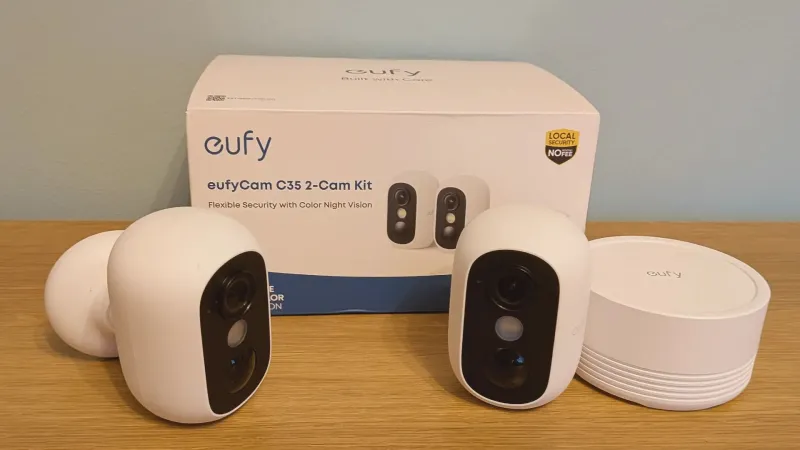
This Small Security Camera Is My New Favorite No-Subscription Choice
For years, the smart home security market has operated on a "razor and blade" business model. We buy... Read More

The Digital Fortress: 10 Essential Gadgets for Modernizing Your Home Security Perimeter
In an era defined by connectivity, the concept of home security has evolved significantly. The passi... Read More

Beyond Passwords: Cultivating a Security‑First Culture at Home
Learn practical steps to turn security into a shared habit at home, from password management to netw... Read More
Top Posts

The Impact of Technology on the Gambling Industry
The gambling industry has undergone significant changes in recent years, driven largely by advances in technology. Learn more about the impact of technology on ...Read More

How to Fix Duplicate Content Issues & Use the Canonical Tag Correctly
In the intricate world of Search Engine Optimization (SEO), few issues are as insidious and misunderstood as duplicate content. Often flying under the radar, it...Read More

Empowering the Next Generation: Navigating the Modern World with Today's Teens
Today's teens face a rapidly changing world. This article explores how to balance digital life with real-world connections, support their mental wellness, and e...Read More

Breville Juicer and what I like about it?
In an era increasingly defined by a conscious pursuit of well-being, the art of juicing has transcended a mere trend to become a cornerstone of many individuals...Read More
0 Comments
Post Comment
You will need to Login or Register to comment on this post!