

Why a Security‑First Mindset Beats a Checklist
Most households treat cybersecurity like a seasonal to‑do list—changing a password once a year, installing an update, and then moving on. That approach leaves the biggest vulnerability exposed: the people who use the devices every day. When security becomes a shared habit rather than a sporadic task, the entire digital ecosystem at home gains a resilient, self‑reinforcing shield.
The Human Layer Is the Weakest Link—and the Strongest Defense
Research consistently shows that 90 % of breaches begin with a simple human error, whether it’s clicking a deceptive link or leaving a device unlocked on a coffee table. By turning awareness into instinct—through short, recurring conversations, visual reminders, and micro‑training drills—families can transform that weakness into a proactive line of defense. Over time, the habit of questioning every unexpected request becomes as automatic as locking the front door.
Escaping Password Fatigue with Smart Management
Traditional advice to “create complex passwords” often results in a tangled web of notes, spreadsheets, and reused credentials, which paradoxically lowers security. Embracing a reputable password manager centralizes encryption, generates truly random strings, and autofills credentials without exposing the master key to the human eye. The real breakthrough is educating every household member on the manager’s purpose, so the tool feels like a trusted assistant rather than a hidden vault.
Device Hygiene: Treating Gadgets Like Personal Health
Just as we schedule regular check‑ups with a doctor, every smartphone, tablet, and smart speaker deserves a maintenance routine—automatic OS updates, app vetting, and periodic data wipes for devices that no longer serve a purpose. Enabling “find my device” and remote wipe features adds an extra layer of protection for inevitable mishaps like lost phones or stolen laptops. When these steps become as routine as brushing teeth, the risk of a silent compromise diminishes dramatically.
Securing the Home Network Without Becoming a Tech Nerd
The router is the gateway between the physical world and the digital universe, yet most consumers leave its default password and SSID unchanged, inviting opportunistic attackers. Changing the admin credentials, disabling WPS, and setting a strong, unique Wi‑Fi passphrase are low‑effort moves that yield high security returns. For those who crave deeper control, exploring decentralized networks and data ownership concepts can future‑proof the home’s connectivity while preserving privacy.
Social Engineering: Training the Whole Family to Spot the Bait
Phishing isn’t limited to inboxes; it thrives in text messages, social media DMs, and even voice calls that mimic trusted brands. Conducting brief “what‑would‑you‑do?” role‑plays at the dinner table turns abstract warnings into concrete muscle memory. By encouraging a culture where “I’m not sure” is a valid response, families create a collective safety net that catches threats before they slip through.
When Analog Meets Digital: Physical Tools That Strengthen Cyber Defenses
In a world saturated with screens, reverting to tangible methods can reinforce digital habits—think of a printed emergency card that lists critical account recovery steps, or a physical token that stores a second‑factor code offline. Such analog anchors reduce reliance on cloud‑only solutions and give users a tangible reminder of security protocols. For a deeper dive into how analog tools can amplify modern workflows, explore the linked article.
Building a Legacy of Security: From One Household to the Neighborhood
When a family consistently models strong security behaviors, the ripple effect can extend to friends, neighbors, and even local schools, fostering a community‑wide shield against cyber threats. Hosting casual “security coffee chats,” sharing simple checklists, and celebrating small victories—like a successfully blocked phishing attempt—keep the momentum alive. By treating security as a shared cultural value rather than a technical afterthought, we future‑proof not just our devices, but the very way we live together in a connected world.

Miranda Murphy: Experienced freelance writer with a decade of storytelling expertise. Let's create something amazing together!
Related Posts
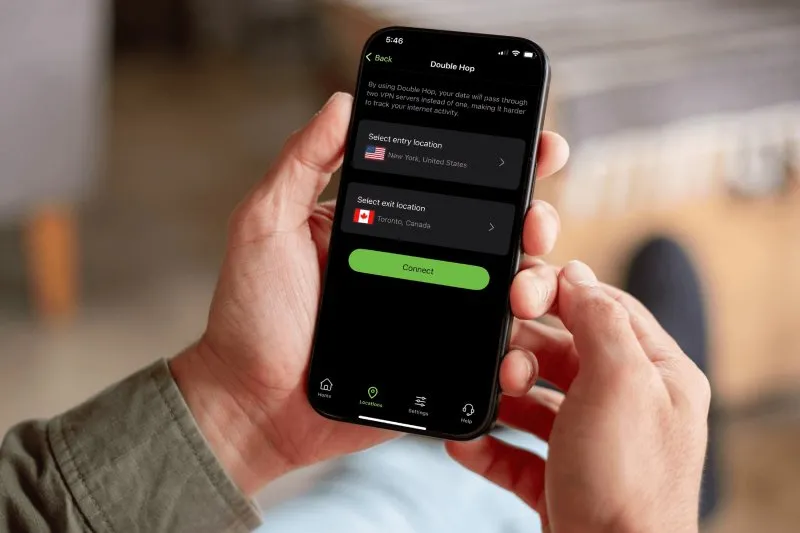
5 Ways to Tell If Your Phone Is Being Spied On – And What You Can Do
In today's digital age, our smartphones are practically extensions of ourselves, containing a wealth... Read More
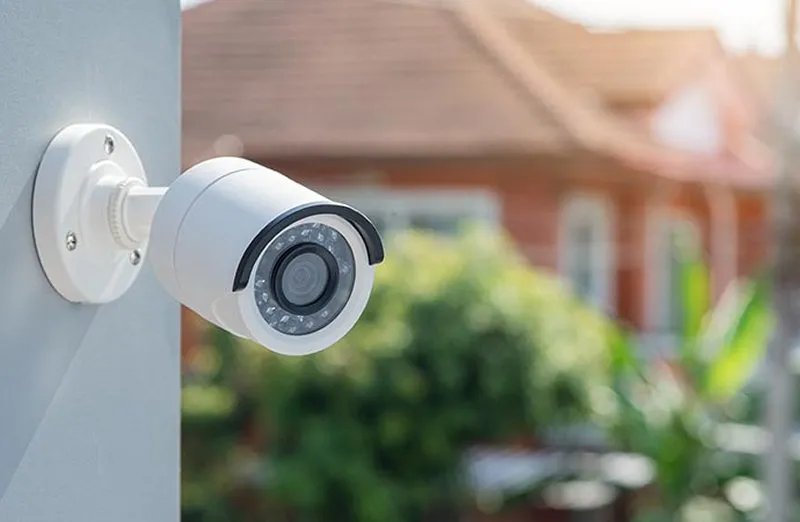
Everything You Need to Know About Outdoor Security Cameras
n today's world, security has become a primary concern for both residential and commercial property ... Read More
Navigating the Security Frontier in 2026: AI, Zero Trust, and Sustainable Defenses
A deep dive into 2026’s security challenges—AI‑driven attacks, zero‑trust adoption, smart‑... Read More
Top Posts

The Evolution of Google SEO: A Comprehensive Guide to Sustainable Digital Strategy
The world of Google SEO is evolving rapidly, and sustainable living is at the forefront of this change. Learn how to create eco-friendly digital strategies that...Read More

Study Reveals ChatGPT Gives Dangerous Guidance to Teens, Despite Safety Claims
In an era increasingly shaped by artificial intelligence, large language models (LLMs) like OpenAI's ChatGPT have rapidly transitioned from technological marvel...Read More

Leveling Up Life: How Gaming Shapes Our Everyday Mindset
Gaming isn’t just fun—it’s a hidden training ground for life skills. Learn how quests, analytics, and virtual teamwork can boost your mindset, productivit...Read More

Conversational Email Sequences: Turning One‑Off Sends into Ongoing Dialogues
Discover a fresh approach to email marketing that moves beyond generic broadcasts. By leveraging behavioral data, dynamic timing, and human‑centric AI, you ca...Read More
0 Comments
Post Comment
You will need to Login or Register to comment on this post!