
The Tangible Edge in a Screen‑Centric World
When the glow of a monitor becomes the default backdrop of every workday, the mind subtly adapts to a rhythm of endless scrolling and click‑throughs, often at the expense of depth and focus. Physical tools like sketchbooks, index cards, and dry‑erase boards interrupt that digital hum, forcing a deliberate pause that resets cognitive bandwidth and invites a slower, more intentional mode of thinking. By placing a pen in hand, creators tap into a kinesthetic feedback loop that computers simply cannot replicate, and that simple act of writing can catalyze a cascade of ideas that would otherwise remain dormant. The result is a workspace that feels both grounded and expansive, where the tactile act of marking paper becomes a catalyst for breakthroughs that feel both personal and universally resonant.
How Handwriting Fuels Memory and Insight
Neuroscientific research consistently shows that the motor movements involved in handwriting activate brain regions responsible for memory formation, comprehension, and creative synthesis far more robustly than typing does. When a thought is transferred onto paper, the brain engages in a multi‑sensory encoding process, intertwining visual, motor, and semantic pathways that cement the information more deeply. This phenomenon explains why meeting notes taken by hand are recalled with greater fidelity, and why brainstorming sessions that involve doodling often produce the most original concepts. Moreover, the physical act of erasing a line or crossing out a word offers an immediate visual cue of iteration, reinforcing a growth mindset that encourages continuous refinement rather than a static, one‑off capture of ideas.
Sketchbooks as Idea Incubators
For many creators, a sketchbook is more than a repository; it is a living organism that breathes life into fleeting inspirations, allowing them to mutate and evolve over time. Unlike a digital file that can be buried beneath endless folders, a well‑used sketchbook becomes a narrative of visual experiments, marginalia, and spontaneous doodles that together map a personal creative journey. When you flip through its pages, patterns emerge, revealing recurring motifs and unexpected connections that might otherwise remain hidden in a sea of isolated files. This organic growth mirrors the principle of smart tool choices, reminding us that the most effective tools are those that adapt to our evolving workflows rather than dictate them.
Physical Planners: Time‑Blocking with a Human Touch
Digital calendars excel at reminders, but they often lack the tactile satisfaction that comes from physically crossing off a task, a small ritual that reinforces a sense of accomplishment and momentum. A well‑designed paper planner offers a tactile interface that encourages mindful scheduling, where the act of writing down an appointment forces the brain to consider priorities more deliberately. This manual process reduces the likelihood of over‑booking, as the limited space on a page naturally curtails unrealistic expectations. Additionally, the visual layout of a weekly spread can highlight gaps in the schedule that might be obscured by the endless scroll of a digital agenda, prompting intentional rest periods that nurture sustained productivity.
Whiteboards and the Power of Tiny Pauses
Team brainstorming sessions often suffer from analysis paralysis, especially when participants are glued to laptops and fear losing their thoughts in a digital ether. A communal whiteboard invites spontaneous contribution, where ideas are drawn, erased, and reshaped in real time, fostering a collaborative rhythm that digital tools struggle to emulate. By incorporating tiny pauses into the session—brief moments where participants step back, reflect, and let the visual field settle—teams can surface deeper insights and avoid the rush to premature conclusions. These short interludes act as mental reset buttons, sharpening focus and encouraging a culture of thoughtful iteration rather than relentless sprinting.
Analog Prototyping vs. Digital Mockups
When developing a new product or service, the temptation is to jump straight into high‑fidelity digital mockups, believing they provide the most accurate representation of the final outcome. However, beginning with low‑tech prototypes—paper cut‑outs, cardboard models, or hand‑drawn flowcharts—allows creators to explore fundamental concepts without the constraints of software tools, encouraging rapid experimentation and fearless failure. This tactile approach surfaces usability issues early, as the physical act of handling a mockup reveals ergonomic flaws and user friction points that a screen simulation may conceal. By iterating in the analog realm first, teams can conserve digital resources for refinement rather than discovery, ultimately accelerating the path to a polished final product.
Seamlessly Blending Analog and Digital Workflows
Rather than viewing analog tools as a replacement for digital ones, the most effective creative ecosystems treat them as complementary forces that amplify each other’s strengths. For instance, a quick sketch captured on paper can be photographed and uploaded to a cloud board for collaborative annotation, preserving the immediacy of the original idea while enabling remote teamwork. Similarly, bullet‑journal entries can be exported to a task‑management app, ensuring that the satisfaction of manual logging translates into actionable digital reminders. This hybrid workflow respects the human need for tactile interaction while leveraging the scalability and accessibility of digital platforms, creating a fluid loop where ideas originate in the physical world and mature in the virtual.
Building Your Personal Analog Toolbox
Crafting a versatile analog toolkit begins with identifying the tasks that benefit most from tactile interaction. Consider the following essentials, each chosen for its ability to unlock a specific facet of the creative process:
- Sketchbook or dotted journal – for free‑form ideation, visual brainstorming, and iterative doodling.
- High‑quality fountain pen or mechanical pencil – to enhance the pleasure of writing and improve legibility.
- Sticky‑note set in various sizes – for quick idea capture, modular planning, and visual mapping on walls.
- Portable whiteboard or magnetic board – to facilitate spontaneous group sessions or personal mind‑maps.
- Index cards – perfect for flash‑style brainstorming, storyboarding, or rapid prototyping of concepts.
By curating these tools with intention, creators can design a physical workspace that encourages exploration, reduces digital fatigue, and ultimately fuels a richer, more resilient creative practice.
Conclusion: Embrace the Tangible to Elevate the Digital
In an era where screens dominate our professional and personal lives, the humble analog tools we often overlook hold the power to recalibrate our focus, deepen our memory, and spark authentic innovation. By integrating sketchbooks, planners, whiteboards, and other tactile instruments into a balanced workflow, creators reclaim the sensory feedback that fuels imagination and drives meaningful outcomes. The next time you feel the pull of endless notifications, reach for a pen, lay down a sheet of paper, and experience firsthand how a simple act of writing can unlock a reservoir of ideas waiting to be discovered.
Lauren Miller is a true outdoors enthusiast who has found her passion in the trades. When she's not working hard on the job, you can find her writing, camping, fishing, and exploring all that nature has to offer. A dedicated partner to her wife Beth, Lauren loves nothing more than spending quality time together and experiencing the great outdoors side by side.
Related Posts
AI‑Powered Developer Tools Are Changing How We Build SaaS
AI‑driven developer tools—from intelligent code assistants to predictive debuggers—are acceler... Read More
The Modular Toolbelt: Low‑Code Strategies for Distributed Product Teams
A practical guide to building a modular, low‑code toolset that empowers remote product teams to sh... Read More
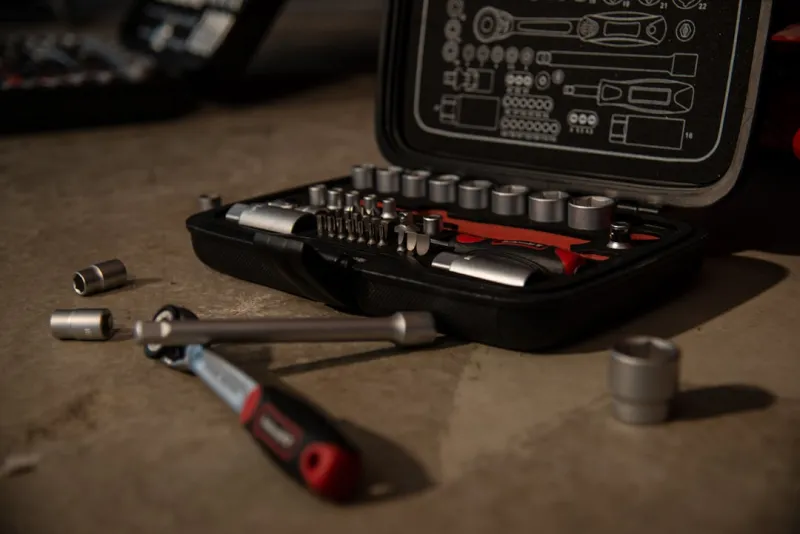
Brad Hays’ 2026 Toolkit: Must‑Have Tools for the Modern Pro
Brad Hays dives into the essential 2026 tools—from AI‑powered hand tools to eco‑friendly power... Read More
Top Posts
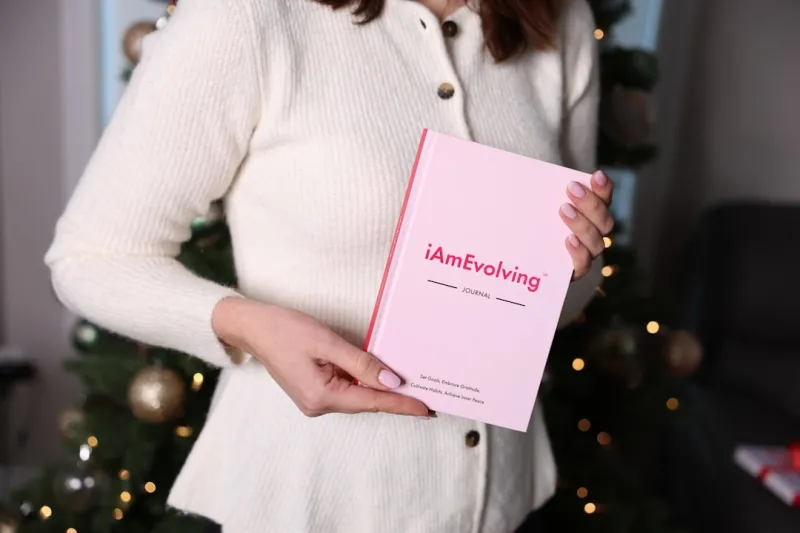
The Gift‑Giving Playbook for 2026: Tech, Sustainability, and Personal Touches
Explore 2026’s gifting trends with tech, eco‑friendly picks, and personalized touches. Lauren Miller shares a curated guide to thoughtful, memorable present...Read More
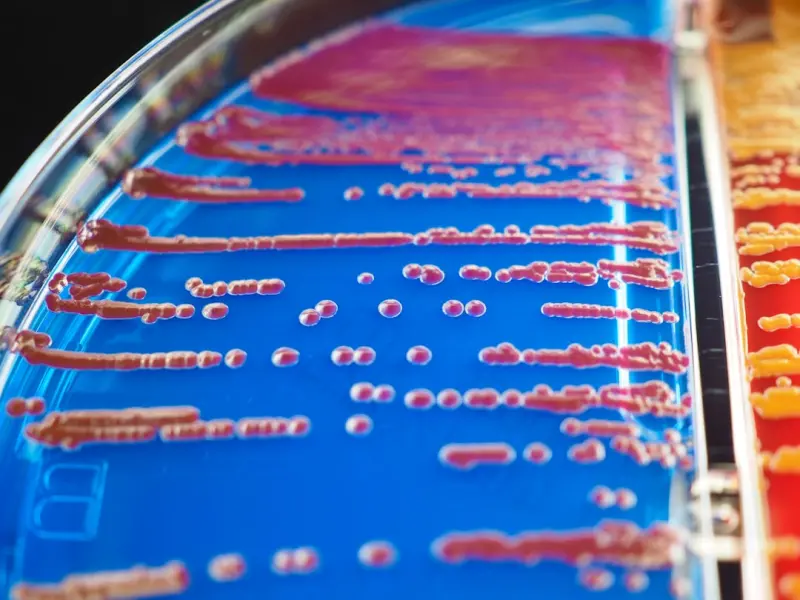
Cultivating a Skin Microbiome: A Fresh Approach to Personal Care
Discover why the skin microbiome is vital, how to audit your routine, and practical steps—including diet, DIY hacks, and tech‑inspired tips—to nurture a b...Read More

Google’s Hidden Playbook for Scaling SaaS Teams
Learn how to turn everyday Google services into powerful growth levers—AI‑driven collaboration, scalable machine learning with Vertex, and search‑first pr...Read More

Reasons why grooming your dog is good for you and the dog
Dog ownership is a journey filled with unparalleled joy, unwavering companionship, and boundless love. Yet, beneath the wagging tails and the happy barks lies a...Read More
0 Comments
Post Comment
You will need to Login or Register to comment on this post!