
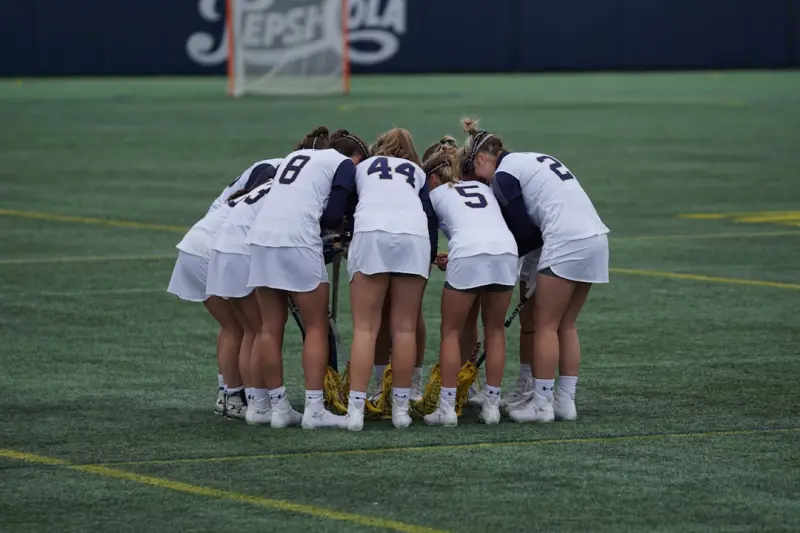
Why Pop‑Up Leagues Are the New Engine of Athletic Discovery
Every weekend, city streets, empty parking lots, and even under‑utilized office rooftops are bursting with spontaneous games of basketball, ultimate frisbee, and street soccer. These pop‑up leagues might look like casual get‑togethers, but they’re quietly reshaping how talent is spotted, how fans engage, and how sponsors allocate dollars. In a world where big‑ticket events dominate the headlines, the modest, community‑driven format is becoming the most authentic incubator for the next generation of athletes.
From Backyard Dreams to Community Championships
Traditional pathways—high school varsity, club academies, and college programs—still hold sway, yet they’re increasingly costly and exclusive. Pop‑up leagues remove those barriers. All you need is a ball, a few volunteers, and a willingness to turn a vacant space into a competitive arena. This simplicity fuels a democratized talent pipeline where anyone with skill and drive can showcase themselves without a scouting report or a hefty tuition bill.
- Low entry cost means more participants, which expands the talent pool.
- Flexible scheduling lets players fit sport into busy lives, keeping dropout rates low.
- Local visibility gives community members a chance to rally around homegrown athletes.
Technology’s Subtle Hand: Data Without the Overwhelm
While pop‑up leagues thrive on simplicity, they’re not blind to the benefits of data. Portable shot‑tracking apps, QR‑code check‑ins, and micro‑sensors provide coaches with enough information to make meaningful adjustments without drowning them in numbers. The key is contextual relevance—the data should enhance, not replace, the human eye.
One emerging practice is the use of dedicated hosting solutions for league management platforms. By hosting player stats, video highlights, and scheduling tools on a reliable backbone, organizers avoid the downtime that can cripple a weekend tournament. The result is a seamless experience that feels as polished as a professional franchise while retaining grassroots authenticity.
Community Building Through Private Networks
Pop‑up leagues are as much about social connection as they are about competition. Participants often form tight‑knit groups that extend beyond the field. To nurture these bonds, many organizers are turning to private social communities. These invite‑only platforms let players share highlights, arrange future matches, and even crowd‑source equipment donations.
When the community feels ownership over its league, loyalty skyrockets. Players become ambassadors, bringing friends, family, and local businesses into the fold. Sponsors, in turn, find a receptive audience eager to support causes that matter to them, leading to authentic brand‑athlete collaborations that feel less like advertising and more like partnership.
The Sponsorship Landscape: From Billboards to Branded Water Bottles
Brands have long chased the glamour of major stadium signage, but the ROI on that exposure can be diluted by the sheer volume of competing ads. Pop‑up leagues offer a fresh canvas: a localized, engaged audience that values authenticity. Sponsors can experiment with:
- Branded equipment—think basketballs, cones, or jerseys emblazoned with a logo.
- On‑site experiences—pop‑up nutrition stations, recovery zones, or interactive tech demos.
- Digital integration—exclusive promo codes delivered through the league’s private social community.
These touchpoints feel personal, fostering a deeper emotional connection that translates into lasting brand loyalty.
Inclusivity by Design: Breaking Down Barriers
One of the most compelling aspects of pop‑up leagues is their capacity to be intentionally inclusive. Organizers can set up mixed‑gender divisions, adaptive‑sport categories, and age‑grouped brackets without the bureaucracy of larger institutions. By simply adjusting the rules or equipment, a league can welcome wheelchair basketball, blindfolded soccer, or youth‑focused skill clinics.
Inclusivity also extends to location. Hosting matches in under‑served neighborhoods provides access to sport for residents who might otherwise never step onto a field. This geographic diversification not only uncovers hidden talent but also builds goodwill that can ripple through the entire community.
From the Ground Up: Building a Sustainable Pop‑Up Ecosystem
To keep momentum, leagues must think beyond the single game. Sustainable models involve:
- Clear governance—a small board or steering committee that oversees budgeting, safety, and scheduling.
- Transparent finances—crowdfunding, local business sponsorships, and modest participation fees can cover costs without creating financial strain.
- Feedback loops—regular surveys via the private community platform to gauge participant satisfaction and identify improvement areas.
When these pillars are in place, leagues evolve from one‑off events into a seasonal fixture that residents anticipate and plan around.
The Athlete’s Perspective: Growth Without the Pressure
For many emerging athletes, the pressure cooker of elite academies can be stifling. Pop‑up leagues offer a more relaxed environment where mistakes are part of the learning curve, not a career‑ending misstep. Players can experiment with positions, try new techniques, and receive immediate peer feedback.
Moreover, the community’s supportive nature helps athletes develop resilience. The camaraderie formed during a hard‑fought match can translate into lifelong mentorship, encouraging players to pursue higher levels of competition when they’re ready.
Future Trends: Hybrid Experiences and Micro‑Events
Looking ahead, the line between physical pop‑up events and digital experiences will blur. Imagine a weekend tournament streamed live on a private community channel, where fans worldwide can comment, cheer, and even place bets on friendly side‑games. Augmented reality overlays could provide real‑time stats for spectators without stealing focus from the on‑court action.
These hybrid models keep the core ethos—accessibility and community—while expanding reach. They also open new monetization pathways: virtual tickets, limited‑edition digital collectibles, and sponsor‑driven AR experiences.
Getting Started: Your First Pop‑Up League Checklist
Ready to launch? Follow this concise roadmap:
- Identify a venue—a park, school field, or empty lot with basic amenities.
- Secure permits—check local regulations and obtain any necessary approvals.
- Gather volunteers—referees, scorekeepers, and a logistics coordinator are essential.
- Choose a sport and format—keep it simple: 5‑on‑5 basketball, 7‑aside soccer, or timed relay races.
- Set up a registration portal—use a free platform or a dedicated league website.
- Promote through a private social community—invite early adopters to shape the experience.
- Partner with local sponsors—offer them branding opportunities that align with the community vibe.
- Collect feedback post‑event—use the insights to refine the next edition.
Conclusion: The Quiet Revolution of Community‑Driven Sport
Pop‑up leagues may lack the glitz of televised championships, but they possess a potent combination of accessibility, authenticity, and community spirit. By lowering barriers, leveraging lightweight technology, and fostering genuine sponsor relationships, they are cultivating a new, resilient ecosystem for athletic talent and fan engagement alike. Whether you’re an aspiring player, a brand seeking real connection, or a city planner looking to invigorate public spaces, the pop‑up playbook offers a blueprint for success—one game at a time.

Laura Wilson is a freelance writer specializing in the dynamic and ever-evolving field of health. With a passion for translating complex medical information into accessible and engaging content, Laura brings a wealth of knowledge and a fresh perspective to topics ranging from preventative care and nutrition to cutting-edge research and innovative treatments.
Related Posts
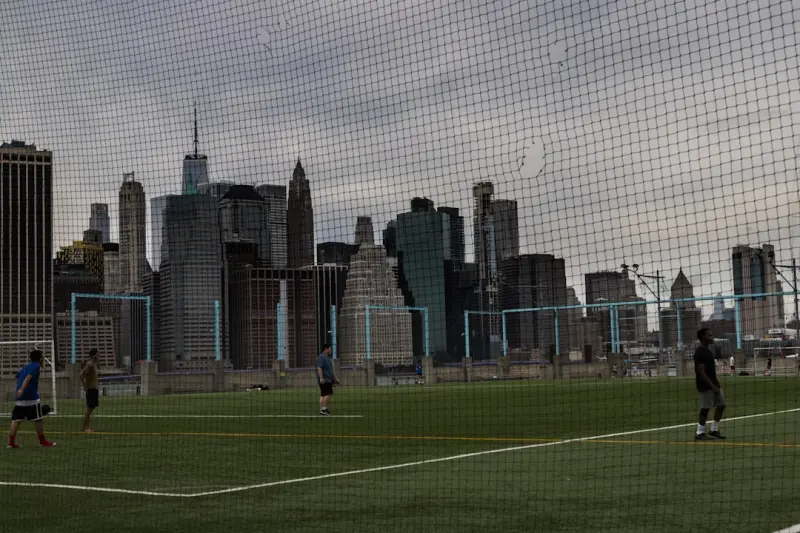
The Rise of Urban Pick‑Up Leagues and What It Means for Local Communities
Urban pick‑up leagues are turning sidewalks into organized, data‑driven arenas, fostering commun... Read More

From Couch to 5K: How AI Coaching Is Leveling the Playing Field
AI-powered coaching platforms are revolutionizing weekend warriors by delivering personalized, dataâ... Read More

How AI is Transforming the Live Stadium Experience
Artificial intelligence is redefining every touchpoint of the live stadium experience—from persona... Read More
Top Posts
The Sprint Culture Revolution: How Speed Shapes Modern Society
A deep dive into sprint culture’s impact on work, social interaction, and digital habits, offering insights on balancing speed with sustainable living....Read More

The Digital Footprint Minefield: Cybersecurity Dangers of Sharenting and How to Protect Your Child
In today's hyper-connected world, sharing our lives online has become second nature. For many parents, this extends to their children, affectionately termed "di...Read More

Flexible Furniture Hacks: Maximizing Small Spaces with Style
Learn how to transform tiny rooms with multipurpose, fold‑away, and modular furniture that adapts to your lifestyle, all while staying chic and functional....Read More
Speaking TikTok’s Language: A B2B Playbook for Real‑World Impact
Learn how to adapt TikTok’s rapid, authentic format for B2B marketing, recruitment, and community building, turning short‑form videos into a powerful growth...Read More
0 Comments
Post Comment
You will need to Login or Register to comment on this post!