
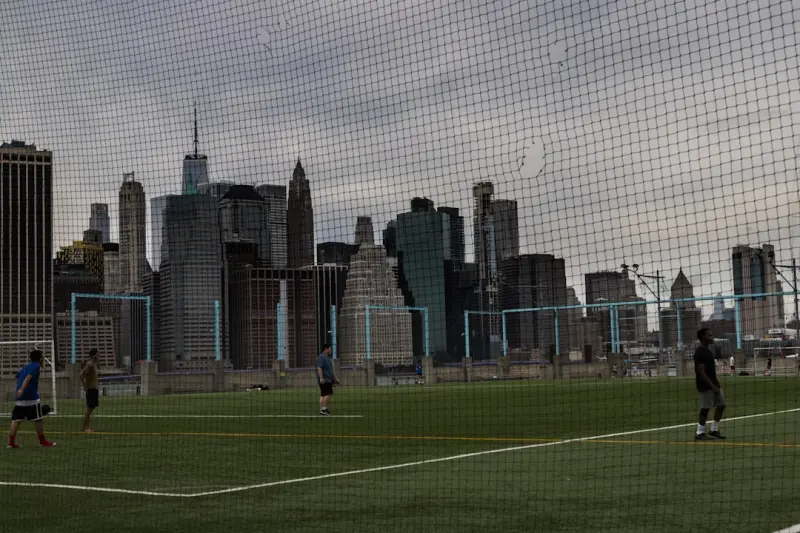
When you hear the words “pick‑up game,” you probably picture a cracked concrete court, a few friends with a ball, and the spontaneous buzz of competition. In the last few years, those humble street sessions have morphed into something bigger, more organized, and surprisingly data‑driven. Urban pick‑up leagues are sprouting across neighborhoods, turning sidewalks into semi‑professional arenas and giving everyday athletes a platform to showcase skill, build community, and even attract sponsorship.
The Grassroots Evolution: From Sidewalks to Structured Leagues
For decades, pick‑up sports were the purest form of play—no sign‑ups, no referees, just the love of the game. But as city dwellers look for ways to stay active and connected, a new infrastructure is emerging:
- Designated courts and pop‑up fields managed by local councils or community groups.
- Digital scheduling platforms that let players claim a slot with a tap.
- Micro‑sponsorships from nearby businesses eager to tap into hyper‑local audiences.
This shift isn’t about commercializing fun; it’s about providing a reliable framework that respects players’ time and safety while preserving the spontaneous spirit that makes pick‑up sports so magnetic.
Data Meets the Court: How Tech Is Changing the Way We Play
One of the most exciting developments is the integration of low‑cost wearables and mobile analytics into these leagues. While biofeedback wearables have already proven their worth in wellness circles, the same sensors are now being repurposed for street basketball, soccer, and even skateboarding.
Players can track:
- Heart‑rate zones to gauge effort spikes during a fast break.
- Movement heatmaps that highlight the most trafficked areas of a court.
- Shot accuracy metrics that feed into personal dashboards after each game.
Coaches (or the informal leaders of a pick‑up crew) use this data to identify strengths, suggest drills, and keep the competition balanced. The result? A feedback loop that feels as natural as a high‑five, but with the precision of a professional training program.
Community Building: The Social Glue of Pick‑Up Leagues
Beyond the stats, the real power of these leagues lies in community formation. Regularly scheduled games become social anchors, where newcomers quickly become part of an extended family. This sense of belonging fuels several positive outcomes:
- Improved mental health—the routine of gathering with familiar faces combats loneliness.
- Local economic boost—players frequent nearby cafés, sports shops, and transit hubs.
- Youth mentorship—seasoned players naturally coach younger participants, passing down skills and life lessons.
When a community feels ownership over a court, they’re more likely to maintain it, report issues, and even fund upgrades. It’s a virtuous cycle that transforms a simple playing surface into a neighborhood landmark.
Monetization Without Losing Authenticity
One concern that often surfaces is whether the introduction of money will dilute the authenticity of pick‑up culture. The answer, surprisingly, is a nuanced “yes and no.” Successful leagues have found a sweet spot by:
- Offering tiered memberships that grant early access to prime time slots, without excluding non‑paying participants.
- Partnering with local brands for gear giveaways, turning sponsorship into a community benefit rather than a hard sell.
- Creating digital content—highlights reels, player spotlights, and behind‑the‑scenes footage—that can be monetized on platforms like YouTube or Instagram, providing revenue that fuels league operations.
These strategies keep the core experience free and open, while generating the modest funds needed for equipment, insurance, and field maintenance.
Gamification: Borrowing From Video Games to Keep Players Engaged
Interestingly, the playbook for these leagues often mirrors tactics from the gaming world. The rise of game mechanics in remote work has shown how points, leaderboards, and achievement badges can motivate participants. In a street soccer league, you might see:
- Seasonal leaderboards that track goals, assists, and defensive stops.
- Badge systems for milestones like “First Hat‑Trick” or “100 Hours Played.”
- Team challenges where groups earn collective rewards for community service or attendance.
These gamified elements add a layer of friendly competition that encourages consistent attendance and fosters a deeper connection to the league’s narrative.
Inclusivity: Breaking Down Barriers in Urban Sports
One of the most profound impacts of structured pick‑up leagues is the way they democratize access. By removing expensive membership fees and high‑tech barriers, they invite participants from diverse socioeconomic backgrounds. Some leagues go a step further:
- Adaptive equipment for athletes with disabilities, ensuring everyone can join the fun.
- Gender‑balanced teams that promote equity and challenge traditional sports hierarchies.
- Multilingual communication—using apps that translate scheduling notices into multiple languages common in the neighborhood.
These inclusive practices not only broaden the talent pool but also reinforce the core ethos of pick‑up sports: play is for everyone.
Future Trends: What’s Next for Urban Pick‑Up Leagues?
Looking ahead, several emerging trends could shape the next wave of community sports:
- AI‑driven matchmaking that pairs players of similar skill levels for balanced games.
- AR overlays that project real‑time stats onto a court via smart glasses, blending the physical and digital worlds.
- Carbon‑neutral events—leveraging renewable energy sources for lighting and using recycled equipment to align sports with sustainability goals.
While some of these ideas may sound futuristic, the rapid adoption of technology in everyday life suggests they’re only a few iterations away.
Getting Started: Your First Steps to Launch a Pick‑Up League
If you’re inspired to bring this model to your neighborhood, here’s a quick roadmap:
- Scout a space—talk to local parks departments or community centers about available courts.
- Choose a scheduling tool—many free apps let you set recurring slots and collect RSVPs.
- Recruit a core group—start with a small circle of reliable players who can help spread the word.
- Set basic rules—keep them simple (e.g., “no shoes with metal spikes”) to maintain safety.
- Promote locally—flyers, social media groups, and word‑of‑mouth are surprisingly effective.
- Gather feedback—use quick surveys after each session to iterate and improve.
Remember, the goal isn’t perfection; it’s creating a regular, welcoming space where the love of the game can thrive.
Conclusion: The Power of Play in Modern Cities
Urban pick‑up leagues illustrate how a simple desire to play can spark a cascade of social, economic, and technological benefits. They prove that you don’t need a polished stadium to experience the exhilaration of competition, the camaraderie of teammates, or the satisfaction of personal improvement. By embracing data, community spirit, and smart monetization, these grassroots movements are redefining what it means to be an athlete in the city.
So next time you hear a ball thumping against a concrete wall, think about the ripple effect that single game could have. With a little organization, a dash of tech, and a whole lot of heart, you could be the catalyst that turns a neighborhood pastime into a thriving, inclusive sports ecosystem.

Ryan Stuart is a seasoned freelance features writer, editor, and professional photographer with a passion for exploring the world and capturing its beauty through words and images.
Related Posts
Fun Hobbies For Baseball Enthusiasts
For millions globally, baseball is far more than a sport; it is a profound cultural touchstone, a re... Read More
Micro‑Training Hubs: Neighborhood Gyms Fueling the Next Generation of Elite Athletes
Micro‑training hubs are redefining elite sports development by offering accessible, tech‑enabled... Read More
The Rise of Community Sports Leagues: How Local Play Is Rewriting Urban Life
Explore the growing impact of local sports leagues on urban neighborhoods, from mental health benefi... Read More
Top Posts

Building a Human‑Centric Brand for Distributed SaaS Teams
A fresh look at branding: strategies for SaaS companies to create authentic, purpose‑focused identities that thrive in today’s distributed work environment....Read More

Stress‑Free Home Entryway: Simple Hacks for a Calm First Impression
A cluttered hallway can spike stress before you even start your day. Learn practical, low‑cost strategies—from zone mapping and smart storage to subtle ligh...Read More
Digital Playdates: The New Playground for Modern Families
A fresh look at digital playdates, offering practical tips for parents to blend screen time with real‑world activities, set healthy boundaries, and foster mea...Read More

Listening to the Wild: How Sound Elevates Outdoor Adventures
Discover how listening to nature’s soundscape can transform your hikes, improve wellbeing, and even aid navigation, with practical tips, gear suggestions, and...Read More
0 Comments
Post Comment
You will need to Login or Register to comment on this post!