
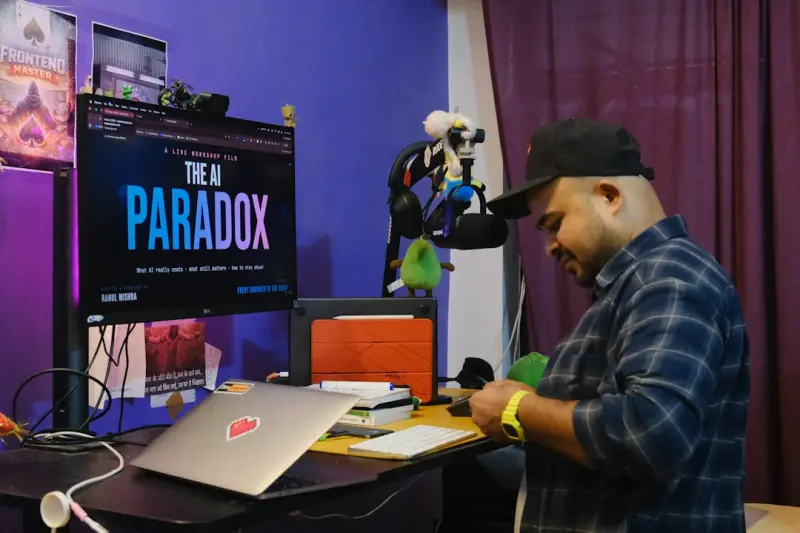
When I first swapped my office chair for a gaming rig, I didn’t expect the experience to spill over into how I run meetings, manage projects, and keep my remote crew motivated. The truth is, the same feedback loops, reward structures, and social dynamics that keep players glued to a screen can be deliberately engineered into the fabric of a distributed workplace. In this deep dive, I’ll unpack the core mechanics of modern games and translate them into practical playbooks for remote teams, from onboarding newbies to sustaining high‑performance culture.
1. The Power of Immediate Feedback
Every successful game delivers feedback the instant a player makes a move—think health bars flashing red, sound cues confirming a hit, or a subtle vibration letting you know you’ve earned points. In the corporate world, feedback often arrives in delayed batches: quarterly reviews, annual surveys, or sporadic email check‑ins. That latency can erode momentum, especially when teams are scattered across time zones.
Apply the loop. Implement micro‑feedback tools that surface results in real time. For example, a shared dashboard that visualizes sprint velocity, bug resolution time, or even a simple “thumbs‑up” reaction on a task update can act as the in‑game health bar for a project. The faster the signal, the quicker the response, and the more engaged the team feels.
When you pair these visual cues with auditory or haptic notifications—like a brief chime when a task moves to “Done”—you mirror the multisensory reinforcement gamers love. This not only clarifies status but also triggers dopamine spikes that reinforce productive behavior.
2. Leveling Up Through Structured Progression
Games are built on levels, skill trees, and unlockable content. Players know exactly what’s required to move from “novice” to “expert,” and they’re motivated by clear milestones. Remote teams often lack that sense of progression, leading to a stagnant feeling where daily grind eclipses growth.
Design a career map that mimics a skill tree. Break down seniority into discrete competencies—communication, technical depth, mentorship—and assign “experience points” to each achievement. When a developer refactors a legacy module, award points toward the “Code Quality” branch. When a marketer runs a successful A/B test, credit them in the “Data‑Driven Decision‑Making” lane.
Celebrate these milestones with tangible rewards: a badge on the internal profile, a small budget for a learning course, or a shout‑out in the all‑hands call. The gamified progression not only fuels personal ambition but also creates a transparent path for growth, reducing ambiguity around promotions and role evolution.
3. Cooperative Play: Designing for Team Synergy
Co‑op games thrive because they require coordinated effort—think of a raid party that must time abilities perfectly, or a puzzle platformer where each player holds a unique piece of the solution. The lesson for remote teams is simple: design tasks that demand collaboration, not just parallel work.
Introduce shared objectives that can’t be completed in isolation. For instance, a product launch might have a “launch readiness” board where design, engineering, QA, and marketing each own a piece, but the final “Launch” button only lights up when all pieces are verified. This mirrors the “boss fight” mechanic: the whole team must align timing, resources, and communication to succeed.
Facilitate “role‑swap” sessions where teammates temporarily take on each other’s responsibilities. This not only builds empathy but also uncovers hidden bottlenecks—just as a game might reveal a class imbalance when players try a new character. The insight gained can be used to rebalance workloads and improve overall efficiency.
4. The Narrative Hook: Crafting a Shared Story
Every compelling game has a story arc—a beginning that draws you in, a conflict that raises stakes, and a resolution that delivers satisfaction. Remote teams often lack a unifying narrative, operating instead as a collection of isolated tasks.
Start each quarter with a “story kickoff.” Frame the upcoming goals as a mission: “We’re on a quest to reduce churn by 15% by redesigning the onboarding flow.” Position each team as a hero faction contributing unique abilities. Throughout the period, sprinkle “cut‑scenes” (short videos or newsletters) that showcase progress, highlight challenges, and preview upcoming twists.
This narrative scaffolding transforms dry OKRs into an adventure, fostering emotional investment. When people feel they’re part of an epic tale, they’re more likely to go the extra mile, just as a gamer pushes through a tough level to see the story’s climax.
5. Dynamic Difficulty Adjustment (DDA)
Top‑tier games use DDA to keep the experience in the sweet spot—challenging enough to stay engaging, but not so hard that players quit. In the workplace, this translates to calibrating workload and expectations to each employee’s capacity.
Leverage data from task completion times, code review cycles, or customer support tickets to identify when someone is consistently over‑ or under‑performing. Adjust assignments dynamically: give high‑performers stretch goals while offering additional support or training to those who are struggling. The goal is to keep the “flow state” alive across the team.
Tools that surface this data in real time can serve as the in‑game difficulty slider. When paired with the earlier feedback loops, you create an environment where each individual feels challenged, supported, and ultimately, motivated to improve.
6. Social Incentives: The Power of Leaderboards and Badges
Leaderboards are a double‑edged sword in gaming; they can spark healthy competition or foster toxicity. In a remote setting, they can be harnessed to celebrate achievements without pitting teammates against each other.
Build a team‑centric leaderboard that tracks collective metrics—bug fixes per sprint, documentation coverage, or customer satisfaction scores. Highlight the team’s progress rather than individual rankings. Pair this with a rotating “badge of the month” that recognizes values like mentorship, creativity, or resilience.
When these recognitions are tied to real perks—extra vacation days, a budget for a hobby, or a featured spot in the company newsletter—they become powerful motivators, akin to earning a rare in‑game item.
7. The Role of Robust Infrastructure
Even the most beautifully designed game fails if the servers lag or the network drops. Remote teams face a similar challenge: without reliable infrastructure, collaboration tools become bottlenecks.
Investing in robust backend infrastructure for low latency gameplay translates directly to smoother video calls, faster file transfers, and more responsive cloud‑based development environments. When the tech stack runs like a well‑optimized game engine, the human side—communication, creativity, execution—can shine.
Consider latency as a “hidden enemy.” Regularly audit your VPN routes, CDN performance, and API response times. Treat improvements as patch updates: release notes, version numbers, and community feedback loops ensure continuous refinement.
8. Data‑Driven Insights to Refine the Experience
Games thrive on analytics—heat maps show where players die, telemetry reveals which weapons are overpowered, and A/B tests determine the most engaging UI. Your remote team can adopt the same rigor.
Implement dashboards that surface key performance indicators in a gamified fashion. For instance, a data‑driven insights that power modern experiences could include a “player health” meter representing overall team morale, derived from pulse surveys and engagement metrics. Use this data to trigger “in‑game events” like virtual coffee breaks or team‑building challenges when morale dips.
By treating analytics as a core gameplay mechanic, you create a feedback‑rich environment where decisions are informed, experiments are rapid, and success feels measurable.
9. Embracing the Sandbox Mentality
Sandbox games empower players to experiment, fail, and iterate without fear of permanent loss. Remote teams often operate under a “no‑mistake” culture, stifling innovation.
Allocate “sandbox time” each sprint—dedicated hours where engineers can tinker with new frameworks, marketers can prototype wild campaign ideas, and designers can sketch out bold UI concepts. Celebrate the learnings, regardless of outcome, just as a game rewards exploration with experience points.
This mindset nurtures creativity, uncovers hidden opportunities, and builds resilience—key ingredients for staying ahead in fast‑moving markets.
10. The Endgame: Measuring Success Beyond KPIs
In gaming, the ultimate victory isn’t just a high score; it’s the sense of mastery and enjoyment. Similarly, remote teams should look beyond raw numbers to gauge health.
Survey for player satisfaction (employee net promoter score), monitor “burnout meters” (overtime hours, response latency), and track “community engagement” (participation in optional events, knowledge‑share sessions). These qualitative metrics round out the quantitative dashboards, ensuring the experience remains rewarding for every player‑team member.
By weaving these ten game‑design principles into the daily fabric of remote work, you’ll transform a dispersed group of individuals into a cohesive, high‑performing guild. The result? Faster delivery, higher morale, and a culture that feels as exhilarating as the best multiplayer adventure.

Jessica Gills is a freelance writer carving a niche for herself by empowering others through her words. With a focus on careers, self-development, and business, she helps readers navigate the complexities of the modern professional landscape.
Related Posts

Leveling Up: How Gaming Shapes My Creative Rhythm
Discover how immersive gaming becomes a daily meditation, fostering creativity, community, and perso... Read More

Why In-Game Economies Are Shaping Real-World Spending
A deep dive into how virtual economies drive real‑world spending, the psychology behind microtrans... Read More

Best Family Board Games for the Entire Family: Fostering Connection Through Play
In a dominated internet age by digital entertainment, board games remain a timeless vehicle for fost... Read More
Top Posts

Celebrating the Future: How 2026 Trends Are Redefining Our Parties
Discover how 2026’s blend of technology, sustainability, and authentic experiences is transforming birthdays, weddings, and every celebration into unforgettab...Read More

Beyond the Hype: Unlocking the Strategic Advantages of Off-Season Travel
The allure of popular travel destinations during their peak seasons is undeniable. Visions of sun-drenched beaches, bustling historic piazzas, and vibrant cultu...Read More

Xeriscaping: A Sustainable Approach to Landscaping
As the world becomes more environmentally conscious, the concept of xeriscaping has gained popularity in recent years. Xeriscaping is a sustainable approach to ...Read More

Designing a Laptop Setup That Grows With Your Creative Ambitions
A guide to creating a flexible, future‑proof laptop setup that maximizes performance, security, and ergonomics for creators on the move....Read More
0 Comments
Post Comment
You will need to Login or Register to comment on this post!