
Why Flexibility Beats Fixed Furniture
Living in a cozy apartment can feel like a constant game of Tetris. Every piece of furniture competes for space, and the wrong choice can make a room feel cramped. Flexible furniture turns that challenge into an opportunity. It adapts to your needs, morphing from a work desk to a dining table with a simple tweak. I’ve learned to love pieces that roll, fold, or collapse, because they free up square footage for the moments that truly matter.
Multipurpose Pieces That Double as Décor
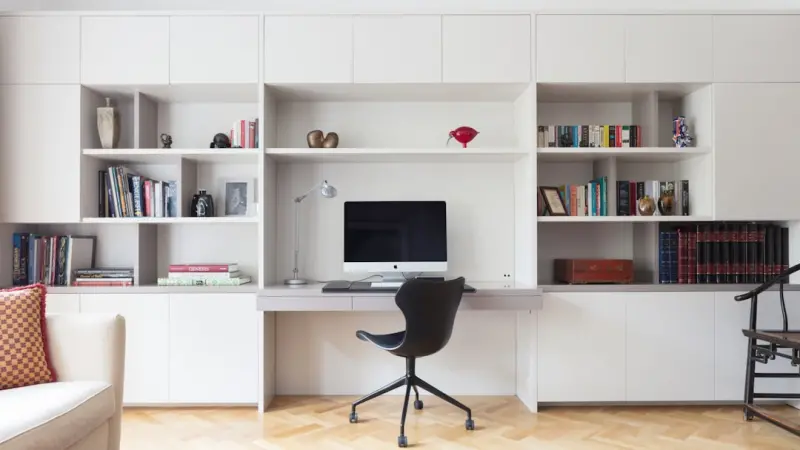
One of my favorite tricks is to choose items that serve a dual purpose while looking stylish. A sleek storage ottoman, for instance, hides blankets and magazines but also offers a seat for guests. When it’s not in use, it blends seamlessly with the room’s aesthetic. Another gem is a wall‑mounted fold‑down desk that disappears when you’re not working, keeping the floor clear for yoga or a quick dance break. These choices keep the space feeling airy and intentional.
Smart Storage Solutions
Smart storage is the backbone of any flexible home. Think vertical: tall bookshelves that double as room dividers, or hanging baskets that free up floor space. I love using clear acrylic bins with labels; they make it easy to find what you need without rummaging. When you can see everything at a glance, you’re less likely to accumulate clutter, and the room stays light and breathable.
Transformable Seating for Every Occasion
Seating doesn’t have to be static. I’ve swapped traditional sofas for modular sectional pieces that can be rearranged into a lounge, a guest bed, or even a playful fort for the kids. The key is to pick fabrics that are durable yet cozy, so the pieces stand up to daily life. When friends come over, you can reconfigure the layout in minutes, creating an inviting space that feels bespoke for each gathering.
Fold‑Away Dining Hacks
Dining in a small space often feels like a compromise, but a fold‑away table changes the game. It can be tucked away against a wall when not in use, leaving the room open for other activities. Pair it with stackable chairs that slide under the table, and you’ve got a compact yet functional eating area. I’ve even added a slim tabletop that slides out, giving extra surface for projects or board games.
Integrating Technology Without Overcrowding
Technology can enhance flexibility, but it shouldn’t dominate the room. A wall‑mounted TV that swivels allows you to watch from the couch or the kitchen island. Wireless charging pads built into side tables keep cords out of sight while keeping devices powered. When I needed a smarter solution for my kitchen, I discovered smart appliance subscriptions that let me upgrade gadgets without the clutter of multiple devices.
Secure Yet Seamless Workspaces
Working from home in a limited area requires a balance of productivity and security. A compact, fold‑out laptop stand paired with a portable privacy screen creates a focused environment without a permanent desk. For peace of mind, I followed the guidance in Zero‑Trust Home Office to safeguard my data while keeping the setup sleek. The result is a workspace that appears and disappears as needed.
Seasonal Swaps That Refresh Without Renovating
Changing the vibe of a room each season doesn’t require a full remodel. Swap out pillow covers, throws, and rugs for colors that echo the time of year. In spring, light linens and pastel hues breathe freshness into the space. In autumn, cozy fleeces and deep earth tones add warmth. These small changes keep the environment feeling new and aligned with your mood.
DIY Flexibility Projects on a Budget
Not everyone wants to invest heavily in new furniture. Simple DIY projects can add flexibility without breaking the bank. Repurpose wooden crates into stackable storage that can also serve as side tables. Attach caster wheels to a sturdy bench for easy relocation. Adding brackets to a sturdy wall creates a floating shelf that can hold a folding desk or plant stand. With a few tools and creativity, you can transform ordinary items into versatile assets.
Living Light: The Mindset Behind Flexible Design
The ultimate secret to a flexible home is a mindset of lightness. Treat every item as a potential contributor to flow, not a static anchor. When you let go of the notion that furniture must be permanent, you open up space for spontaneity. I’ve found that the most satisfying moments happen when I can rearrange my living area on a whim, inviting friends to sit on the floor or creating a mini‑gallery for a pop‑up art show. Embrace the fluidity, and watch your home become a canvas for ever‑changing life.

Miranda Murphy: Experienced freelance writer with a decade of storytelling expertise. Let's create something amazing together!
Related Posts
Quiet Corners: Small-Scale Home Hacks for Daily Calm
Explore low‑tech, high‑comfort home hacks—from entryway transitions to bedtime rituals—that ... Read More

A Handy Guide for Deep Carpet Cleaning
Carpets are an integral part of many homes, adding warmth, comfort, and aesthetic appeal to living s... Read More
Smart Home Hacks for 2026: Practical Tips to Upgrade Your Space
A fresh look at 2026 home upgrades—smart storage, AI lighting, eco cleaning, and kid‑friendly te... Read More
Top Posts

Google SEO in 2026: Harnessing AI, User Intent, and Sustainable Rankings
Google SEO in 2026 demands AI‑augmented content, intent‑driven architecture, and sustainable performance. Discover practical tactics to dominate the SERPs w...Read More

The Charms of Aspiration: Decoding the Bag Charm Phenomenon Among Kids and Teens
In the dynamic landscape of youth culture, where trends emerge and evolve with unprecedented speed, a distinct accessory has captured the imagination and wallet...Read More

What Are the Early Signs of Dementia? Recognizing the First Indicators
Dementia is a complex, progressive condition characterized by a decline in cognitive function severe enough to interfere with daily life. It is not a single dis...Read More

What are the best Lawnmowers for Homeowners
Choosing the right lawnmower is essential for maintaining a healthy and beautiful property. This guide explores the best lawnmowers for homeowners, comparing ga...Read More
0 Comments
Post Comment
You will need to Login or Register to comment on this post!