
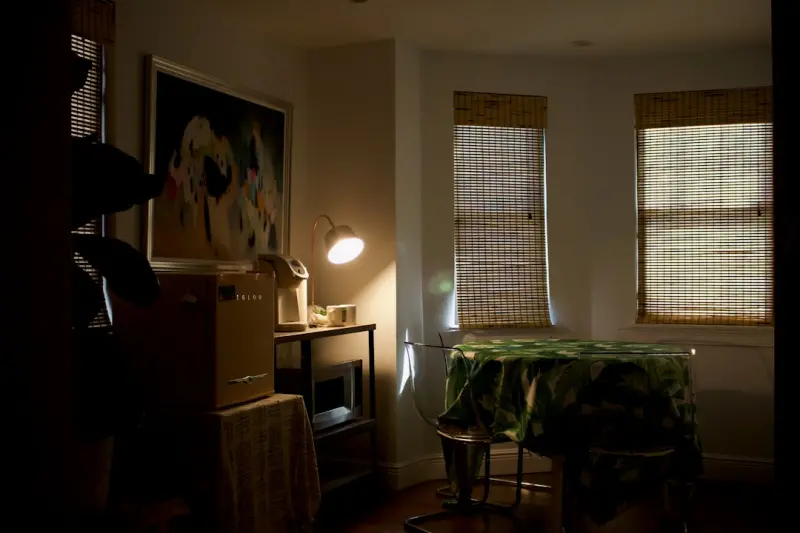
Welcome to the Quiet Corners Project
When the world feels like a nonstop notification feed, the home should be the place where the volume finally drops. I’m Jill, and I’ve spent the past few years turning my own house into a series of low‑tech, high‑comfort “quiet corners.” The goal? To create pockets of calm that don’t rely on the latest gadget but instead on thoughtful placement, simple habits, and a sprinkle of intentional design. Below you’ll find a step‑by‑step guide to carving out these soothing spaces without breaking the bank or your schedule.
1. The Front Door: A Gentle Transition
Most of us rush through the front door, dumping bags, shoes, and mental clutter straight into the living area. Treat the entryway as a buffer zone—a place where you can pause, breathe, and reset before stepping fully into your home.
- Floor mat with a purpose: Choose a natural fiber mat (jute or coir) that invites you to pause for a moment. Place a small bowl of fresh citrus slices nearby; the scent signals the brain that you’ve arrived in a safe, clean space.
- Key & mail station: A simple wooden tray on a narrow console keeps keys, mail, and daily to‑dos in one spot. When the tray is empty, you instantly feel a sense of completion.
- Mini “mindful moment” board: Hang a small corkboard with a single line of encouragement—think “Breathe in, breathe out.” It’s a visual cue to take a second before heading to the kitchen.
By giving the entryway a defined function, you prevent the hallway from becoming a chaotic dump zone. The result is a smoother mental shift from the outside hustle to the inside calm.
2. Kitchen Calm: The Heartbeat of Home Harmony
The kitchen is often the busiest room in the house, but it can also be a sanctuary if you approach it with intention. Below are three low‑tech tweaks that transform cooking and cleanup into a mindful practice.
- Set a “water‑first” rule: Before you even turn on the stove, fill a glass of water and sip. It slows down the rush and hydrates you for the tasks ahead.
- Designate a “no‑screen” zone: Keep phones in a basket while you prep meals. This reduces distractions and lets you fully engage with the textures, smells, and sounds of cooking.
- Use an enzyme cleaner for a green clean: A few drops in warm water break down grease without harsh chemicals, leaving countertops fresh and the air free of synthetic fumes.
When you treat each step—chopping, stirring, washing—as a micro‑ritual, the kitchen becomes a place of flow rather than frantic activity.
3. Living Room Breathability: Air as an Ally
We often think of visual aesthetics when styling a living room, but air quality is just as crucial for a soothing environment. Here are three inexpensive ways to invite fresh air without opening every window.
- Indoor plant trio: Pair a snake plant, a pothos, and a peace lily. Together they filter pollutants, regulate humidity, and add a soft, organic texture to the room.
- Strategic fan placement: Position a small oscillating fan near a slightly opened window to create a gentle cross‑breeze. The subtle movement mimics outdoor airflow and reduces stuffiness.
- DIY charcoal air purifiers: Fill small breathable fabric bags with activated charcoal and tuck them under side tables. They absorb odors and keep the space smelling clean without any electricity.
These choices are silent, low‑maintenance, and keep the room feeling airy—perfect for reading, chatting, or simply watching the world go by.
4. Bedroom Reset: The Sleep Sanctuary Blueprint
Sleep is the ultimate reset button for the mind. A bedroom that feels like a sanctuary can dramatically improve rest quality. Below are five quiet‑corner tactics you can implement tonight.
- Color‑coded bedding: Opt for muted, earthy tones (soft taupe, sage, or dove gray). These hues signal the brain to unwind, as opposed to bright, stimulating colors.
- Weighted blanket ritual: A 10‑12 pound blanket provides gentle pressure that lowers cortisol, the stress hormone, and encourages deeper sleep.
- Two‑minute “light‑dim” routine: About 30 minutes before bed, lower the overhead lights and switch to a warm‑hued lamp. This mimics sunset and triggers melatonin production.
- Night‑stand simplicity: Keep only a book, a glass of water, and a small essential‑oil diffuser (lavender works wonders). Remove phones, tablets, and other screens.
- Floor‑level rug: A plush rug under the bed cushions footsteps and reduces the echo of the room, making the space feel more cocooned.
When the bedroom feels intentionally sparse and sensory‑soft, you’ll notice a quicker transition to sleep and a deeper sense of rejuvenation.
5. Micro‑Rituals for Cleaning: Turning Chores into Calm
Cleaning doesn’t have to feel like a dreaded task. By pairing each chore with a small, pleasant habit, you can reshape the experience.
- “Scented sweep” method: Keep a bottle of your favorite essential oil (citrus or eucalyptus) near the broom. As you sweep, spray a light mist; the fresh scent ties the motion to a pleasant sensory cue.
- Music‑match cleaning: Create a 10‑minute playlist of instrumental tracks. The limited time frame keeps you focused, and the music adds a rhythmic, meditative element.
- “One‑in‑one‑out” rule for decluttering: For every item you remove, place a new, intentionally chosen piece (like a handmade coaster or a small vase) back into the space. This prevents the void feeling that often follows decluttering.
These tiny rituals make the act of cleaning less about the labor and more about a sensory reset, which can be surprisingly uplifting.
6. Tech‑Free Evening Routine: Unplug to Recharge
Our evenings are often hijacked by scrolling, binge‑watching, or endless email checks. Designing a tech‑free wind‑down can dramatically improve next‑day focus.
- Paper‑only zone: Designate a side table as a “no‑screen” spot and keep a stack of favorite magazines, a journal, or a deck of cards there.
- Warm beverage ritual: Brew a calming tea (chamomile or rooibos) and sip slowly while you write down three things you’re grateful for that day.
- Low‑light reading nook: Install a dimmable floor lamp with a warm glow. Choose a cozy chair, add a soft throw, and settle in with a novel. The physical act of holding a book signals to your brain that it’s time to unwind.
By the time the lights are out, your mind has already begun the transition from “do” mode to “be” mode.
7. The Power of Analog Inspiration
Even though this article lives online, the best ideas often come from analog hobbies. Sketching, knitting, or simply leafing through a paper magazine engages your hands and eyes in a way screens cannot. Try pairing a quiet corner with an analog hobby: a small table for cross‑stitch, a drawer for a sketchpad, or a shelf for a collection of vintage postcards. The tactile experience anchors you in the present and adds a layer of personal meaning to your space.
8. Bringing It All Together: A Week‑Long Quiet‑Corner Challenge
To help you integrate these ideas, here’s a simple seven‑day challenge. Each day focuses on one area of the home and a single habit.
- Day 1 – Entryway: Set up the key tray and citrus bowl. Notice the mental pause before stepping inside.
- Day 2 – Kitchen: Try the water‑first rule and keep phones in the basket while cooking.
- Day 3 – Living Room: Add the plant trio and place a charcoal bag under the side table.
- Day 4 – Bedroom: Dim lights early, swap out bright bedding for a muted set, and place a weighted blanket on the bed.
- Day 5 – Cleaning: Use the scented sweep method while playing your instrumental playlist.
- Day 6 – Evening Routine: Create your paper‑only zone, brew tea, and write a gratitude list.
- Day 7 – Analog Corner: Pick an analog hobby, set up a dedicated spot, and spend at least 20 minutes engaged.
At the end of the week, reflect on which changes felt most natural. The goal isn’t perfection; it’s to discover which quiet corners resonate with you and to keep expanding them.
Conclusion: A Home That Hugs Back
Creating calm doesn’t require a redesign budget or a tech overhaul. It’s about the subtle choices that signal to your nervous system: “You’re safe, you’re welcome, you can let go.” By carving out these low‑tech, high‑comfort zones, you’ll find that the house becomes more than a roof over your head—it becomes a living, breathing ally in your daily wellbeing.

Armed with a degree in English Literature, Jill’s journey into the digital space wasn't just a career move; it was a natural extension of her lifelong love affair with storytelling. While some writers view search engine optimization (SEO) as a rigid constraint, Jill sees it as a creative puzzle. She understands the delicate art of balancing the algorithmic demands of search engines with the human desire for resonance, emotion, and value. To Jill, keywords aren't just targets to hit; they are the breadcrumbs that lead eager readers straight to the answers they’ve been searching for.
Related Posts

10 Things That Clog Your Drain and What to Do About It?
The gurgle that won't go away, the slow-draining sink, the shower stall that turns into a mini-lake ... Read More
The Best Leak Detectors That Every Home Should Have: Stop Water Damage in Its Tracks
Water damage is one of the most insidious threats to homeowners, often hiding in plain sight until i... Read More

Want Knives That Stay Sharp? First, Stop Doing These 7 Things
There’s an undeniable satisfaction that comes with gliding a perfectly sharp knife through a ripe ... Read More
Top Posts

SEO News Flash: 2024 Algorithm Shifts & What They Mean for You
Seth Samual breaks down this year’s biggest SEO algorithm changes, AI’s role in content, and practical steps you can take now to boost rankings and user exp...Read More

Zero‑Trust Plugin Security: Turning Extensions into a Competitive Moat
A deep dive into why plugin security is the new frontier for SaaS, featuring a zero‑trust playbook, supply‑chain hygiene, policy‑as‑code, and strategies...Read More

Why Shared Hosting is the Secret Weapon for Agile Startups
Shared hosting isn’t a compromise—it's a strategic launchpad. Learn how cost‑effective plans, performance tweaks, and security features empower agile star...Read More

Reimagining Retirement: Seniors Lead the Digital Wellness Revolution
Seniors are no longer tech‑averse; they’re pioneering digital wellness tools that boost health, community, and financial independence. This post reveals tre...Read More
0 Comments
Post Comment
You will need to Login or Register to comment on this post!