
Why I Swear by a Pocket Screwdriver and a Notebook
When the screen flickers and the notification barrage never ceases, I reach for something that doesn’t buzz or ping – a sturdy pocket screwdriver and a lined notebook. These low‑tech allies have become my secret weapons for breaking through creative blocks and re‑grounding my focus amid endless digital noise. I discovered that the tactile feedback of turning a screw or the simple act of crossing out a to‑do item on paper triggers a dopamine hit far more satisfying than a fleeting app badge. In the past year I’ve built a mini‑tool kit that travels with me to coffee shops, co‑working spaces, and even the occasional campsite, and the result has been a noticeable lift in both productivity and mood. The ritual of pulling out a physical tool reminds me that I’m in control, not at the mercy of an algorithm or a cloud‑based service.
The Myth of the All‑Digital Toolkit
Many of us assume that the latest productivity app or cloud‑based platform can replace every tangible object we might need, but that belief often leads to a brittle workflow that collapses when internet connectivity falters or battery life drains. I once tried to rely solely on a suite of note‑taking apps, only to find myself stuck during a power outage, frantically searching for a way to capture an urgent idea before it vanished. Physical tools, on the other hand, are immune to software bugs, subscription lapses, and the relentless push‑notification treadmill. When I pair a simple modular mindset with actual modular hardware—like a multi‑bit screwdriver set or a stackable set of index cards—I create a system that can be assembled, disassembled, and re‑configured on the fly without waiting for a software update. This resilience is what turns a casual hobbyist into a true maker, capable of tackling problems even when the digital world says “offline.”
The Rise of the Analog Companion
Over the past few months I’ve noticed a quiet surge in communities that celebrate analog tools, from urban makerspaces to remote freelancers swapping favorite pens on Discord. These groups share a common conviction: that the tactile experience of a well‑crafted instrument can spark ideas that a sleek UI simply cannot. I joined a weekly “Tool Talk” Zoom call where participants showcase their newest additions—be it a vintage compass, a magnetic wristband for screws, or a pocket‑size sketchpad—and discuss how each piece reshapes their workflow. The conversations reminded me of a principle I read in building a second brain, where externalizing information into trusted repositories frees mental bandwidth. In my case, the physical tool becomes that repository, a reliable extension of my mind that I can trust to hold the weight of my thoughts without the risk of a server crash.
Multitool Mastery for Remote Work
Remote work demands flexibility, and a compact multitool delivers exactly that, turning a simple coffee‑break table into a miniature workshop. I keep a Leatherman with pliers, a wire cutter, and a tiny file in my laptop bag, ready to tighten a loose hinge on my office chair or open a stubborn package of promotional swag without missing a beat. The act of fixing something with my own hands creates a brief, purposeful pause that interrupts the endless scroll of emails, allowing my brain to reset. Studies suggest that brief physical activity, even as minor as twisting a screwdriver, can improve focus and reduce stress hormones, a benefit I’ve felt firsthand during long Zoom marathons. By integrating these handheld devices into my daily routine, I’ve turned mundane maintenance into a productivity hack that keeps my environment ergonomically sound and my mind sharply engaged.
Paper‑Based Planning That Actually Works
There is a reason why the classic bullet journal persists despite the avalanche of digital planners; the act of writing by hand engages the brain’s motor cortex, reinforcing memory retention far better than typing. I’ve adopted a hybrid system where I sketch quick outlines on a spiral‑bound notebook, then transfer the final structure into my project management app later in the day. This two‑step process ensures that ideas are captured instantly, while also giving me a moment to evaluate and refine them before they become locked into a digital task list. The tactile satisfaction of crossing off a line on paper provides a visual cue of progress that no progress bar can match. Over time, I’ve noticed my ability to estimate task duration improves, because the physical act of allocating space on a page forces me to think concretely about effort and resources.
The Digital‑Analog Hybrid: Bridging Two Worlds
While I champion analog tools, I’m not opposed to technology; rather, I believe the future lies in seamless integration. I recently experimented with a smart pen that digitizes my handwritten notes, syncing them to the cloud while preserving the feel of ink on paper. This bridge allows me to enjoy the cognitive benefits of writing while still maintaining a searchable archive for later reference. Additionally, I use QR‑coded stickers on my tool case that link to tutorial videos or inventory spreadsheets, turning a simple storage box into an interactive knowledge hub. By thoughtfully pairing physical objects with lightweight digital overlays, I avoid the overwhelm of fully digital ecosystems while still capitalizing on their organizational strengths.
Building a Personal Tool Library
Creating a curated collection of tools is an exercise in self‑knowledge; each item you choose reflects a specific need or habit you wish to nurture. I started by listing the tasks that most often interrupt my workflow—tightening loose bolts, sketching ideas, cutting cords—and then sourced compact, high‑quality versions for each. Over time, I organized them into categories: “Fix‑It,” “Capture,” and “Create,” labeling each compartment with a small card that explains its purpose and a quick tip for optimal use. This library not only reduces decision fatigue—because I know exactly where to reach for a solution—but also encourages me to experiment with new techniques, such as using a fine‑point compass for brainstorming mind maps. A well‑maintained tool library becomes a personal museum of capability, constantly reminding me of the resources at my fingertips.
The Future of Tangible Tools in a Cloud‑Centric Age
Looking ahead, I see a resurgence of tangible tools as creators and remote workers seek balance between the virtual and the physical. Manufacturers are already responding with modular, eco‑friendly designs that can be easily repaired, upgraded, or repurposed—an ethos that aligns with the growing desire for sustainable, long‑lasting products. I anticipate more collaborations between hardware makers and software developers, resulting in tools that silently sync usage data to improve ergonomics or suggest maintenance schedules without intruding on the user’s focus. Until then, the simple act of choosing a screwdriver over a virtual wrench remains a powerful statement: that control, creativity, and craftsmanship can thrive even when the world is dominated by pixels. Embracing this philosophy empowers us to build not just better projects, but richer, more grounded lives.

Miranda Murphy: Experienced freelance writer with a decade of storytelling expertise. Let's create something amazing together!
Related Posts

Browser Extensions: The Unsung Heroes of SaaS Productivity
Browser extensions are evolving from simple add‑ons to essential SaaS productivity tools, offering... Read More
Why Analog Tools Are Still the Secret Weapon for Modern Creators
In a world dominated by screens, the humble sketchbook, whiteboard, and pen remain powerful allies f... Read More
Low‑Code Data Integration: Turning Fragmented Sources into Real‑Time Insight
Low‑code data integration platforms replace fragile spreadsheets with visual, real‑time pipeline... Read More
Top Posts
Windows 11 Home vs. Pro – Choosing the Right Operating System for Your Infrastructure
In the evolving landscape of modern computing, the operating system serves as the foundational architecture upon which all productivity, security, and connectiv...Read More

Soundscapes: How Ambient Audio Can Transform Your Health and Productivity
Explore the science behind ambient soundscapes and learn practical steps to use soothing audio at work and home, enhancing stress resilience, sleep quality, and...Read More
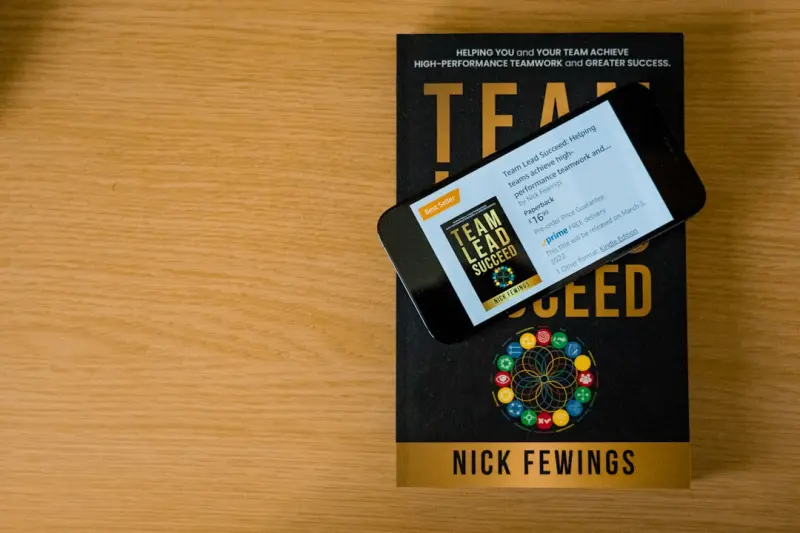
Microlearning: The SaaS Team’s Secret Weapon for Continuous Growth
Microlearning breaks traditional training into bite‑size, contextual modules that fit into a SaaS team’s daily flow, driving faster onboarding, higher skill...Read More
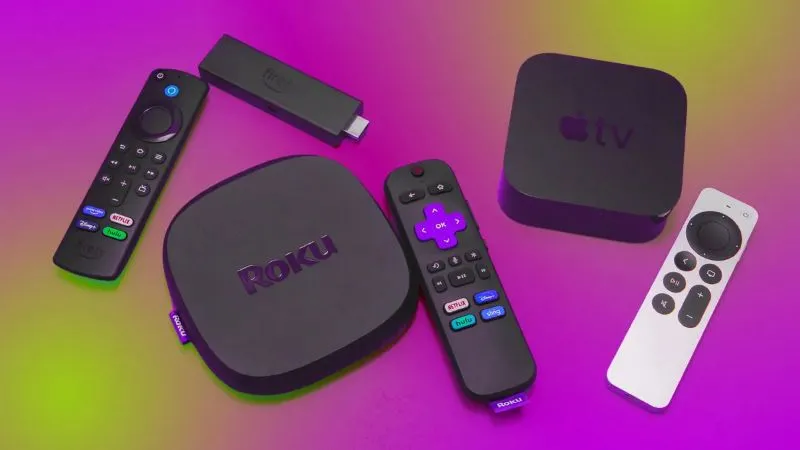
Couch potatoes weigh in on the best streaming devices?
In an era defined by readily accessible digital content, the choice of a streaming device has become paramount to optimizing the home entertainment experience. ...Read More
0 Comments
Post Comment
You will need to Login or Register to comment on this post!