

Why Wellness Isn’t a Trend, It’s a Lifestyle Choice
When I first started juggling freelance projects and family life, the word “wellness” felt like another buzzword on my to‑do list, something I could read about on a Sunday morning and then forget until the next deadline hit. That mindset changed the day I realized my body was sending me constant, unmistakable feedback—fatigue that no caffeine could fix, a mind that fogged over at the slightest stress, and a gut that rebelled whenever I ignored a simple stretch. I began treating wellness not as a peripheral hobby but as the core infrastructure of my daily routine, the same way I would back up my website or plan a content calendar. In this article, I’ll walk you through the practical habits that have turned my health from a background concern into the main stage of my life, and show how you can replicate the same results without needing a PhD in nutrition or a personal trainer on speed‑dial.
Morning Rituals That Set the Tone for the Day
My mornings now start with a three‑part ritual that feels almost ceremonial, and each part serves a specific purpose: grounding, movement, and nutrition. First, I spend five minutes breathing deeply while standing barefoot on the cool floor, visualizing the day ahead and mentally labeling any lingering worries so they don’t hijack my focus later. Next, I transition into a short, dynamic stretch routine—think sun salutations mixed with a few mobility drills for the hips and shoulders—because getting the joints moving before the brain fully kicks in boosts circulation and primes the nervous system for clarity. Finally, I fuel my body with a nutrient‑dense smoothie that includes leafy greens, a scoop of protein powder, and a dash of turmeric; this combination stabilizes blood sugar and provides anti‑inflammatory benefits that keep my energy steady through the afternoon. If you’re curious about how to translate these habits into a creative workflow, check out The Toolbox That Transformed My Creative Workflow for a deeper dive into structuring routines that boost productivity.
Movement as Medicine: Beyond the Gym
For many, “exercise” conjures images of a sweaty gym and a treadmill that never seems to end, but I’ve discovered that movement can be woven into everyday moments, turning ordinary tasks into mini‑workouts. Walking meetings, for instance, have become a staple in my schedule; instead of sitting behind a laptop, I discuss project ideas while strolling through the neighborhood park, allowing fresh air to oxygenate my brain and ideas to flow more freely. I also integrate micro‑bursts of activity—like a set of squats while waiting for coffee or a quick plank during a TV commercial break—because these brief spikes in heart rate elevate metabolism without demanding a full hour of dedicated training. This philosophy mirrors the way gamers level up their reflexes through short, consistent play sessions, a concept I explore in Leveling Up: How Gaming Shapes My Creative Rhythm, illustrating how small, intentional actions accumulate into massive gains over time.
Nutrition That Powers Both Body and Brain
Nutrition is the silent partner in every creative sprint, and the foods I choose directly influence my focus, mood, and resilience to stress. I’ve adopted a “color‑first” approach, aiming to fill my plate with a rainbow of vegetables, fruits, and whole grains that provide a spectrum of phytonutrients essential for cognitive function and immune health. I also practice mindful eating, which means sitting down without screens, chewing slowly, and truly tasting each bite; this slows down the digestive process, stabilizes blood sugar, and reduces the impulse to overeat. To keep my diet sustainable, I batch‑cook nutrient‑dense meals on Sundays—think quinoa bowls with roasted root vegetables, beans, and a drizzle of olive oil—so that weekday lunches become effortless, balanced, and free from the temptation of fast‑food shortcuts. If you’re interested in how a balanced diet can also nurture your creative voice, the guide Finding Your Voice: How Modern Bloggers Can Stand Out and Thrive offers strategies for aligning your personal narrative with the foods that fuel it.
Digital Boundaries: Protecting Mental Health in a Connected World
Living in a hyper‑connected era means the line between work and personal life can blur in an instant, and that’s where intentional digital boundaries become a form of self‑care. I enforce a “tech curfew” an hour before bedtime, during which all screens are swapped for a physical book or a journal; this practice signals to my brain that it’s time to wind down, making it easier to fall asleep and improving overall sleep quality. I also use app blockers during deep‑focus periods to prevent social media notifications from stealing my concentration, allowing me to enter a state of flow where ideas surface naturally and without interruption. In addition, I schedule “digital detox” weekends once a month, during which I unplug completely and engage in offline activities like hiking, cooking, or simply sitting in my backyard garden—a habit that not only reduces stress but also recharges my creative batteries.
Nature Therapy: Lessons From the Backyard Garden
My backyard garden has become an unexpected sanctuary, offering a tangible reminder that growth takes patience, consistent care, and the right environment. Digging into soil, planting seeds, and watching sprouts break through the earth mirrors the process of nurturing ideas; each stage requires attention, adaptability, and a willingness to accept that results may not appear overnight. The rhythmic act of watering, weeding, and harvesting also serves as a moving meditation, grounding me in the present moment and lowering cortisol levels that can otherwise sabotage focus. This practice has taught me to apply the same principles to my mental health: create a supportive environment, tend to thoughts with kindness, and prune away negativity. For more insight into how gardening can balance life, see Nurturing Your Soul: Modern Gardening Lessons for a Balanced Life, where I explore deeper connections between horticulture and holistic wellness.
Restorative Sleep: The Underrated Productivity Hack
Sleep is the ultimate reset button, and I treat it with the same strategic importance I give to any high‑impact project. My bedroom is optimized for darkness, cool temperatures, and minimal noise, creating an environment that encourages the body’s natural circadian rhythm to thrive. I also follow a consistent bedtime routine that includes a brief stretch, a gratitude journal entry, and a few minutes of low‑light reading, which collectively signal to the brain that it’s time to transition into restorative sleep. When I wake up after seven to eight hours of quality rest, I notice a marked increase in mental clarity, emotional stability, and creative output—a testament to how essential sleep is for maintaining peak performance. If you’ve struggled to prioritize rest, consider treating sleep like a non‑negotiable meeting on your calendar; you’ll be amazed at the downstream benefits it unlocks.
Community Connection: The Social Pillar of Wellness
Human connection is a cornerstone of holistic health, and cultivating supportive relationships has been instrumental in sustaining my wellness journey. I make it a point to schedule regular check‑ins with friends, family, or fellow creators, whether it’s a coffee catch‑up, a virtual brainstorming session, or a group hike in the local woods. These interactions provide emotional validation, new perspectives, and a sense of accountability that keeps me honest about my health goals. Moreover, sharing my own experiences—like the habits described in this post—creates a feedback loop where I receive encouragement while also inspiring others to adopt healthier practices. By viewing community as a two‑way street, I’ve built a network that not only bolsters my mental health but also fuels my creative endeavors, proving that personal well‑being and professional success are deeply intertwined.
Putting It All Together: A Sustainable Wellness Blueprint
Integrating these habits into a cohesive, sustainable wellness blueprint starts with small, deliberate steps that respect your current lifestyle and gradually expand. Begin by identifying one morning ritual you can realistically adopt—perhaps a five‑minute breathwork session—and commit to it for two weeks, tracking any changes in mood or focus. Next, layer in a movement habit, such as a daily walk or a set of micro‑exercises during breaks, and observe how your energy levels respond. Once these foundations feel stable, incorporate nutrition tweaks, digital boundaries, and nighttime routines, always listening to your body’s signals and adjusting as needed. Remember, wellness is not a destination but a continuous, evolving practice; the goal is to create a flexible system that adapts to life’s inevitable changes while keeping you grounded, energized, and creatively alive.

Tyler Johnson is a seasoned freelance writer with a keen eye for detail and a passion for crafting compelling narratives. His years of experience have honed his ability to adapt his style to suit diverse client needs and project requirements.
Related Posts

Unlock the Power of Chrono‑Nutrition for Sustainable Health
Learn how syncing your eating schedule with natural body rhythms can enhance metabolism, improve sle... Read More
Micro‑Movement Mastery: Turning Everyday Tasks into Wellness Wins
Micro‑movement turns everyday routines into powerful wellness moments. Learn simple, science‑bac... Read More

Micro‑Movements: Turning Everyday Tasks into a Fitness Boost
Micro‑movements turn routine tasks into mini‑exercises, boosting circulation, focus, and stress ... Read More
Top Posts

Celebrating Life's Special Moments with Sustainable Elegance
Discover how to make your celebrations more sustainable with eco-friendly ideas and tips. Learn how to reduce waste and minimize environmental impact while stil...Read More

AI‑Powered Web Hosting: The Quiet Revolution Shaping Tomorrow’s Sites
Machine learning is turning traditional web hosting into a proactive, self‑optimizing service. Discover how AI-driven resource management, security, and cost ...Read More

Pet‑Friendly Home Offices: Boosting Productivity and Happiness
A practical guide to designing a home office that welcomes your pets, featuring smart gadgets, ergonomic tips, and digital‑balance strategies to enhance produ...Read More
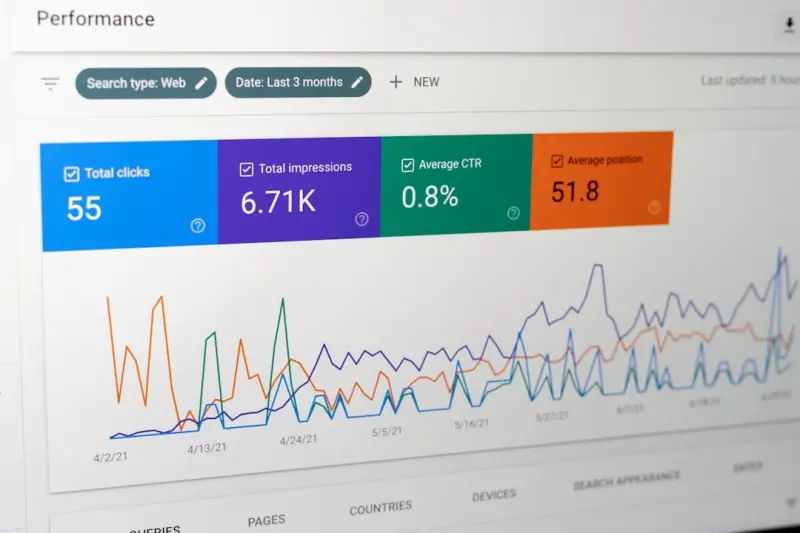
Bing SEO: Untapped Strategies for Enterprise Growth
Explore how to leverage Bing’s AI intent signals, visual search entities, and real‑time indexing API to dominate enterprise search and drive high‑intent l...Read More
0 Comments
Post Comment
You will need to Login or Register to comment on this post!