

Why the GPS Isn’t the Only Guide
Most travelers treat itineraries like holy scripts, trusting routes that promise efficiency over experience. I’ve learned that the most memorable moments happen when the map is folded away and intuition takes the wheel. Unplanned travel strips away the safety net of scheduled tours, forcing you to confront the raw pulse of a place. Instead of checking off landmarks, you discover hidden cafés, graffiti alleys, and sunrise spots no guidebook mentions. The thrill comes from the unknown, from letting the road decide, and from the humility of following a local’s whisper rather than a corporate algorithm.
The Freedom of a Loose Plan
Leaving room for spontaneity doesn’t mean abandoning all structure; it means crafting a flexible framework. I start with a broad destination and a few “must‑see” anchors, then I let daily decisions unfold based on weather, conversation, and gut feeling. This approach reduces the anxiety that comes from over‑planning while still honoring the essence of a trip. By allowing extra days in a city, I give myself the bandwidth to wander into neighborhoods I might otherwise bypass, and those detours often become the heart of the journey.
Pack Light, Pack Smart
When you surrender control to chance, your luggage becomes your greatest ally. I adopt a minimalist mindset: one versatile jacket, a pair of quick‑dry pants, and a compact notebook for sketches and notes. Each item serves multiple purposes, freeing space for souvenirs or unexpected gear you might acquire on the road. A lightweight backpack also encourages movement, making it easier to hop onto a last‑minute train or catch a sunrise hike without the burden of excess weight. The lighter you travel, the more agile your adventures become.
Technology as a Sidekick, Not a Master
Modern travel tools are powerful, but they should amplify, not dictate, your experience. I use apps to locate off‑beat attractions, yet I always cross‑check with on‑the‑ground recommendations. Understanding how structured data works behind travel blogs reminds me that algorithms highlight popular spots, while hidden gems rely on human stories. By balancing digital research with real‑time curiosity, you keep the journey organic and prevent the screen from becoming your compass.
Choosing Lodgings That Inspire
Accommodations set the tone for any trip, and opting for places that feel like a curated retreat can turn a simple stay into a cultural immersion. I favor boutique hostels, family‑run guesthouses, or converted warehouses that showcase local art and design. These settings often host communal kitchens or rooftop lounges where travelers exchange stories, leading to spontaneous outings. When your lodging feels personal, you’re more likely to venture out with confidence, knowing you have a welcoming base to return to.
Opening Up to Local Voices
The most authentic experiences come from listening to the people who call a place home. I make it a habit to strike up conversations at markets, bus stops, or cafés, asking about favorite dishes, hidden pathways, or upcoming festivals. Locals love to share their world when they sense genuine curiosity, and they often point you toward events that aren’t advertised online. By respecting their time and offering a smile, you build a bridge that transforms strangers into guides, enriching your journey beyond any itinerary.
Embracing the Unexpected
Unplanned travel is a series of small surprises that accumulate into a larger narrative. I recall a rainy afternoon in a mountain town where a sudden downpour redirected me to a cozy tea house hidden behind a bamboo gate. Inside, an elderly couple invited me to join their game of mahjong, teaching me the rules and sharing stories of their youth. Moments like these illustrate how surrendering to the moment creates memories that no scheduled tour could replicate. The key is to remain open, adaptable, and ready to say “yes” to the unknown.
Turning Serendipity Into Skill
While chance seems random, seasoned wanderers develop an intuition for spotting opportunities. I keep a small journal to note patterns—like a recurring street performer who appears at sunset—or to track areas where locals gather after work. Over time, this habit sharpens your ability to anticipate hidden events and places. It also encourages you to reflect on each spontaneous encounter, deepening the personal growth that travel can spark. In essence, you train yourself to read the subtle cues of a city’s rhythm.
Making the Leap
If the idea of traveling without a rigid plan feels daunting, start small. Choose a weekend getaway, set a loose destination, and leave the day‑to‑day decisions open. Observe how the lack of a strict schedule reshapes your perception of freedom and adventure. Over time, you’ll find that the world feels larger and more inviting when you trust the journey itself. So, pack that backpack, leave the itinerary at home, and let the road write its own story for you.

Jim Pearse, a seasoned freelance writer, brings a wealth of knowledge and passion to the world of home and garden. From the intricacies of landscaping to the nuances of interior design, Jim delves into every aspect of creating comfortable, beautiful, and functional living spaces.
Related Posts

Micro‑Travel: Tiny Getaways, Big Productivity Gains
Micro‑travel offers a practical alternative to long vacations, allowing busy professionals to sche... Read More

Why Cruises may be the best option For your next getaway!
Tired of the stress associated with planning complex vacations? Discover why cruises are the ultimat... Read More

Boat Cruises: A Comprehensive Guide to Determining If a Maritime Voyage is Your Ideal Vacation
The decision concerning the optimal vacation format involves careful consideration of personal prefe... Read More
Top Posts

Beyond the Inbox: Redefining Workplace Relationships in a Cloud‑Centric Era
In a cloud‑first workplace, relationships can feel fleeting. This article offers concrete pillars—intentional presence, transparent communication, and recip...Read More

Navigating Parenthood in the Digital Age: Mental Health Considerations for New Parents
New parents face unique mental health challenges in the digital age. Learn how to navigate social media, build a support network, and prioritize self-care to ma...Read More

AI‑Powered Playgrounds: The Future of Kids’ Creativity
AI‑powered digital playgrounds are transforming the way children learn, create, and interact, offering adaptive, safe, and collaborative experiences that nurt...Read More
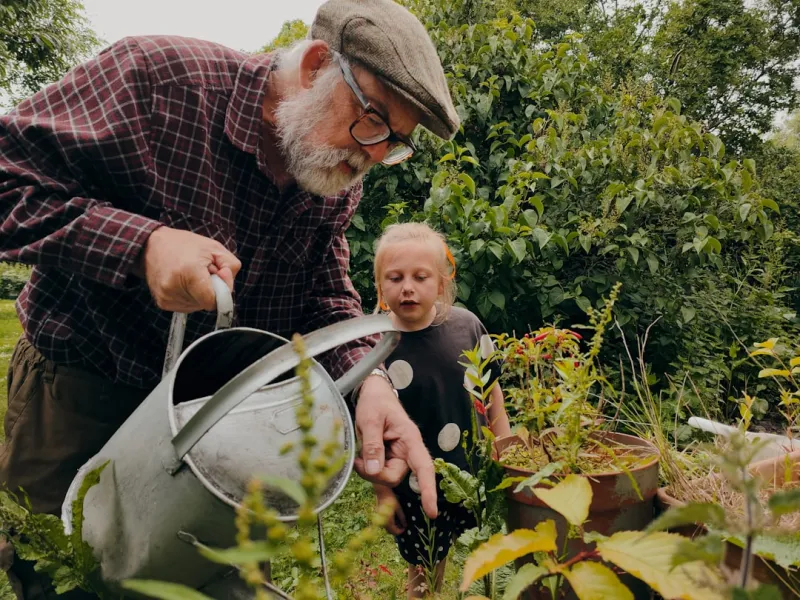
Growing More Than Just Plants: How Gardening Taught Me About Sustainable Living and Digital Strategy
Gardening has taught me valuable lessons about sustainable living and digital strategy. Learn how to apply holistic principles to create a thriving garden and o...Read More
0 Comments
Post Comment
You will need to Login or Register to comment on this post!