

Why Structured Data Is the Missing Link in Modern SEO
When I first started mapping out content strategies, I thought keyword research and backlink profiles were the holy grails; however, after months of watching SERP features evolve, I realized that search engines are craving context the way readers crave clarity, and that’s where structured data steps in as the silent catalyst. By embedding machine‑readable tags directly into HTML, we hand over a concise roadmap that tells Google, Bing, and emerging AI crawlers exactly what each piece of content represents, from product specs to event dates, dramatically increasing the odds of earning coveted rich snippets. The result is a double‑edged boost: users see more informative results, and your click‑through rates climb, feeding the algorithmic loop that rewards relevance and authority.
Decoding the Most Impactful Schema Types
The ecosystem of schema.org is vast, but three formats consistently dominate the visibility game: Article, Product, and FAQ markup, each aligning with distinct user intents that search engines love to surface. Article schema, for instance, tags headline, author, date, and image metadata, which can unlock the coveted “Top Story” carousel, while product schema adds price, availability, and review snippets that appear directly under the listing, slashing the friction between discovery and purchase. FAQ schema, on the other hand, transforms a simple Q&A block into a collapsible result that answers queries right on the results page, dramatically reducing bounce rates and signaling expertise.
Beyond the basics, niche schemas such as HowTo, Recipe, and Event can catapult specialized content into spotlight positions that traditional rankings struggle to achieve. For example, a well‑crafted HowTo schema can generate step‑by‑step panels that dominate the “People also ask” section, while Event markup feeds directly into the local pack, driving foot traffic for brick‑and‑mortar businesses. By aligning schema choice with the core purpose of each page, you create a harmonious dialogue between user intent and search engine interpretation, turning ordinary listings into interactive experiences.
Integrating Structured Data Without Overcomplicating Your Stack
One of my biggest fears when adopting new SEO tactics is the potential for technical debt, especially when juggling multiple plugins and custom code; fortunately, implementing schema has become remarkably frictionless thanks to modern smart plugins for schema that auto‑generate JSON‑LD snippets based on content fields. Whether you’re on WordPress, Shopify, or a headless CMS, there are lightweight extensions that pull metadata from existing fields, eliminating the need for manual markup while preserving site performance.
For teams that prefer a hands‑on approach, crafting JSON‑LD directly in the page header remains an elegant solution, especially when paired with a systematic content model that stores schema‑ready data in a central repository. This method not only keeps the markup clean and audit‑friendly but also ensures consistency across thousands of pages, a critical factor when scaling. In either scenario, the key is to validate every implementation with Google’s Rich Results Test, catching syntax errors before they erode trust and cause temporary de‑indexing.
Measuring the ROI of Structured Data
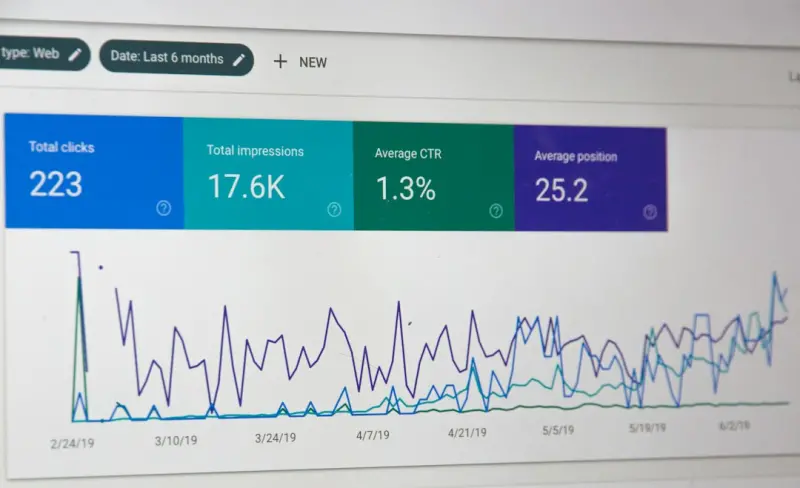
Adding schema is not a set‑and‑forget tactic; you need a data‑driven feedback loop to confirm that the markup translates into tangible performance gains. Google Search Console now surfaces “Enhancements” reports that break down impressions, clicks, and average position for each rich result type, allowing you to pinpoint which schemas are delivering the highest uplift. By correlating these metrics with overall traffic trends, you can isolate the incremental lift attributable to structured data, separate from broader SEO fluctuations.
Another powerful method is to run A/B experiments using the URL Parameters tool, swapping pages with and without markup to observe changes in click‑through rates and dwell time. When combined with heatmap analytics, you’ll see whether users are interacting with the enhanced snippets as expected, providing a holistic view of both search and on‑page engagement. This rigorous testing framework turns schema from a hopeful guess into a quantifiable asset, justifying the time and resources invested.
Common Pitfalls and How to Avoid Them
Even seasoned marketers stumble into traps that can nullify the benefits of structured data, the most prevalent being over‑optimization and inaccurate markup. Search engines penalize pages that claim features they don’t actually deliver—think marking up a product as “in stock” when it’s sold out—leading to manual actions or loss of rich result eligibility. To safeguard against this, always sync your schema fields with real‑time inventory and content updates, leveraging API calls where possible.
Another subtle error is neglecting mobile‑first considerations; JSON‑LD must be present in the mobile version of the page, as Google predominantly crawls the mobile DOM. Failing to render markup on responsive designs can cause fragmented data signals, confusing the crawler and diminishing visibility. By incorporating automated testing into your CI/CD pipeline, you catch these inconsistencies early, ensuring every page—desktop or mobile—speaks the same structured language to search engines.
Future‑Proofing Your SEO Strategy with Structured Data
Looking ahead, the trajectory of search is unmistakably moving toward richer, conversational experiences powered by AI assistants and voice queries, and structured data is the lingua franca that will enable those interactions. As voice‑enabled devices parse content, they rely heavily on explicit schema to deliver concise answers, meaning that pages optimized today will become the default knowledge sources for tomorrow’s smart speakers. Investing in comprehensive markup now positions your brand as the authoritative voice in your niche, ensuring relevance as search paradigms shift.
Moreover, emerging standards like Google’s “FAQPage” extensions for featured snippets and the rise of “Product Structured Data 2.0” hint at an ecosystem where even more granular data points will be rewarded. By staying agile—regularly auditing schema, expanding to new types as they become available, and integrating feedback from emerging SERP features—you’ll keep your SEO strategy ahead of the curve, turning structured data from a tactical add‑on into a core pillar of digital visibility.
Practical First Steps to Get Started
If you’re ready to dive in, begin with a content audit to identify high‑value pages—blog posts, product pages, and service listings—that align with the schema types discussed earlier. Next, map out the required properties for each page type, drawing from the schema.org documentation, and decide whether a plugin or manual JSON‑LD implementation best fits your workflow. Finally, set up a weekly monitoring cadence using Search Console’s Enhancements report, and schedule quarterly reviews to refine and expand your markup as new schema types emerge.
Remember, the beauty of structured data lies in its ability to amplify existing content without compromising quality; by layering clear, machine‑readable context atop your storytelling, you empower search engines to showcase your work in the most engaging formats possible, ultimately driving the right audience to the right page at the right time.

Jessica Gills is a freelance writer carving a niche for herself by empowering others through her words. With a focus on careers, self-development, and business, she helps readers navigate the complexities of the modern professional landscape.
Related Posts

The Quiet Power of Structured Data: Elevating SaaS SEO Beyond Keywords
Structured data is the hidden catalyst that can transform a SaaS website’s search visibility. This... Read More

Beyond Keywords: Building Conversational Authority for B2B SaaS Search
This post explains why traditional keyword tactics are outdated for B2B SaaS and offers a roadmap to... Read More
Unlocking SEO Gold: How SaaS Knowledge Bases Drive Organic Leads
A deep dive into converting your SaaS product’s knowledge base into a powerful SEO engine, coverin... Read More
Top Posts

Why Your Site Needs a Privacy‑First WordPress Plugin Strategy
A privacy‑first WordPress plugin strategy protects user data, improves site performance, and builds trust, turning compliance into a growth advantage....Read More

More Older People Than Ever Are Playing Video Games
For decades, video games were largely perceived as the exclusive domain of children and teenagers, a niche hobby that appealed primarily to the young and techno...Read More

Designing a Green, High-Tech Wedding That Guests Remember
A fresh take on wedding planning that merges eco‑friendly choices with cutting‑edge technology, offering couples a roadmap to a celebration that’s both su...Read More

What You Should Know About Walk-In Bathtubs
For many, the simple act of bathing can become a significant challenge as mobility declines or specific health conditions emerge. Traditional bathtubs, with the...Read More
0 Comments
Post Comment
You will need to Login or Register to comment on this post!