

When I first helped a close friend plan her wedding, I realized that the traditional checklist—florals, dresses, venue—was missing a vital component: a cohesive strategy that honors the planet while harnessing the technology we live with every day. The result was a ceremony that felt both timeless and unmistakably modern, and it sparked a question that’s been on my mind ever since: How can couples design a wedding that is as sustainable as it is spectacular, without sacrificing the wow factor?
Why Sustainability and Technology Belong Together
At first glance, “green wedding” and “high‑tech celebration” might sound like opposing philosophies. One conjures images of reclaimed wood and thrifted linens; the other, of drones and digital invitations. But both share a common goal: reducing waste, streamlining processes, and creating memorable experiences that reflect the couple’s values.
When you view sustainability through a tech lens, you discover tools that minimize carbon footprints, track resource usage, and even amplify storytelling. Conversely, technology becomes more meaningful when it serves an ethical purpose rather than merely adding sparkle. The sweet spot lies where these worlds intersect—a place where data‑driven decisions lead to greener choices, and where those choices are communicated in captivating ways.
Digital Invitations: The First Green Step
Paper invitations have long been a wedding staple, but they contribute to a sizeable waste stream. Digital invites, delivered via sleek email templates or a dedicated wedding app, eliminate that waste entirely. Moreover, modern platforms allow you to embed RSVP forms, meal preferences, and even interactive maps—all in one click.
Choosing a platform that offers analytics can be a game‑changer. By tracking open rates and response times, you can adjust follow‑up communications, ensuring no guest is left in the dark and no extra print runs are needed. This data‑centric approach mirrors the insights found in Data‑First Storytelling, where understanding audience behavior drives more effective storytelling—only here the audience is your wedding party.
Eco‑Friendly Décor Powered by Smart Planning
From biodegradable confetti to potted plants that become post‑ceremony favors, sustainable décor options are abundant. However, coordinating these elements can be logistically complex. Enter wedding management software that incorporates inventory tracking, vendor communication, and real‑time budgeting.
Some platforms now integrate AI assistants that suggest alternatives based on your environmental goals. For instance, an AI might recommend a locally sourced wildflower arrangement over imported roses, citing reduced transportation emissions and cost savings. This mirrors the way AI becomes the silent partner in SaaS strategy, quietly optimizing decisions behind the scenes.
Hybrid Experiences: Extending the Celebration Beyond Walls
Even if you’re planning a destination wedding, there will inevitably be loved ones who can’t attend in person. Rather than viewing this as a limitation, use it as an opportunity to expand the event’s reach. Live‑streaming the ceremony via a custom landing page not only includes remote guests but also reduces the carbon emissions associated with travel.
Take it a step further by creating a virtual guestbook where attendees can leave video messages, photos, or even digital sketches. These contributions can later be compiled into a highlight reel—a piece of content that continues to celebrate the couple long after the last dance. This concept aligns with the principles in Turning Customer Success into Content Gold, where experiences are transformed into enduring assets.
Smart Lighting and Sound: Efficiency Meets Atmosphere
LED lighting has become the gold standard for energy efficiency, but modern LED systems go beyond simple illumination. Programmable LEDs can sync with music, change color palettes throughout the evening, and even be controlled via a smartphone app. By scheduling lights to dim during quieter moments, you not only set the mood but also conserve energy.
Similarly, digital sound mixers allow you to fine‑tune acoustics for outdoor venues, reducing the need for excessive amplification. Precise sound management improves guest comfort and minimizes noise pollution, a subtle nod to your commitment to the environment.
Zero‑Waste Catering: Data‑Driven Menus
Food waste is a major contributor to the carbon footprint of weddings. A data‑centric approach can dramatically reduce leftovers. By using RSVP data to calculate exact portion sizes, and by collaborating with caterers who practice nose‑to‑tail cooking and composting, you keep waste to a minimum.
Some forward‑thinking caterers employ AI to predict consumption trends based on factors like season, guest demographics, and previous events. This technology helps them propose menu variations that are both delightful and efficient—a perfect illustration of how modern tools can support sustainable gastronomy.
Transportation Solutions: Getting Guests Green
Travel logistics often represent the hidden carbon cost of a wedding. Encourage carpooling by setting up a ride‑share board on your wedding website, or partner with a local bike‑share program for guests staying nearby. If your venue is remote, consider chartering a low‑emission shuttle bus that runs on a set schedule, reducing the number of individual trips.
For couples who truly want to go the extra mile, carbon offset programs allow you to calculate the emissions from travel and invest in renewable energy projects that neutralize the impact. The transparency of these actions can be highlighted in a sustainability report shared with guests, reinforcing the event’s values.
Personalized Guest Experiences Through Data
One of the most rewarding aspects of a wedding is making each guest feel seen and appreciated. By leveraging data collected during the RSVP process—such as dietary restrictions, favorite songs, or even travel preferences—you can craft personalized touches.
Imagine a welcome cocktail named after the couple’s grandparents for older guests, or a curated playlist that features the top three songs requested by each table. These details, while small, create a sense of intimacy that resonates long after the night ends. It’s a concept reminiscent of the customer‑centric tactics discussed in Reinventing Account‑Based Marketing with Real‑Time Orchestration, where personalized experiences drive deeper connections.
Budget Management: The Hidden Savings of Sustainable Choices
There’s a common myth that eco‑friendly weddings are inevitably more expensive. In reality, many sustainable choices lead to cost savings. Reusing décor, opting for digital communication, and reducing food waste all cut expenses. The key is to track these savings meticulously.
Utilize a budgeting tool that categorizes costs and highlights where green choices have reduced expenditures. Over time, this data not only validates your decisions but also provides a blueprint for future events—be they corporate gatherings, anniversary parties, or community celebrations.
Post‑Event Legacy: Extending Impact Beyond the Day
The celebration doesn’t have to end when the last confetti is swept away. Consider planting a tree in each guest’s honor, or donating a portion of the wedding budget to a cause aligned with your values. These gestures create a living legacy that grows alongside the couple’s marriage.
Documenting the entire journey—pre‑planning, the ceremony, and post‑event initiatives—offers a rich narrative you can share on social platforms or in a printed coffee‑table book. It becomes a tangible reminder of how love, sustainability, and technology can intertwine to shape a better future.
Final Thoughts: A Blueprint for a Love That Lasts—and a Planet That Thrives
Designing a wedding that balances environmental stewardship with cutting‑edge technology isn’t about sacrificing romance for practicality; it’s about enriching the celebration with purpose. By integrating digital invitations, AI‑driven planning, smart décor, and data‑informed guest experiences, couples can craft a day that feels both intimate and innovative.
When the lights dim, the music fades, and guests head home—some by car, some by bike, some via a shared shuttle—your wedding will have left behind not just memories, but a measurable positive impact. That, in my view, is the most lasting gift you can give each other and the world.

Robert Mathews is a professional content marketer and freelancer for many SEO agencies. In his spare time he likes to play video games, get outdoors and enjoy time with his family and friends . Read more about Robert Mathews here:
Related Posts

Planning Your Dream Fall or Winter Wedding: A Comprehensive Guide to Seasonal Elegance
The captivating beauty of the cooler months offers a distinctive and profoundly romantic backdrop fo... Read More
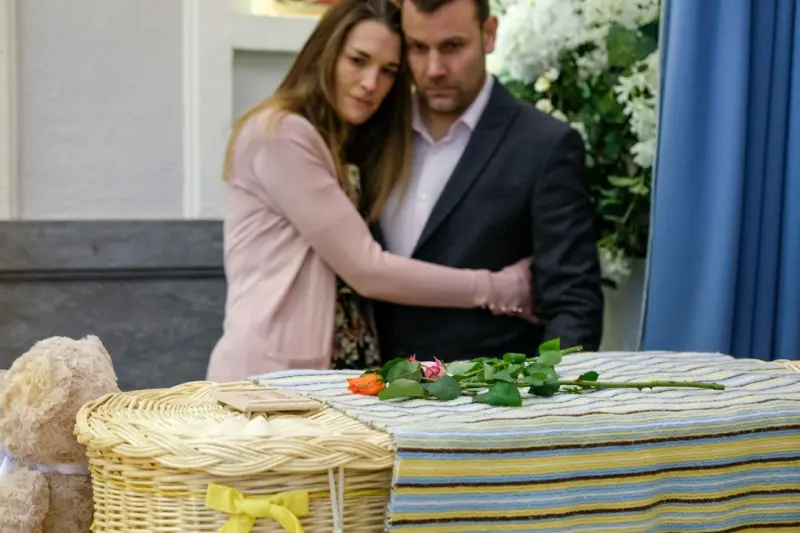
Crafting a Sustainable Wedding and an Everlasting Anniversary Celebration
A heartfelt guide to planning a wedding and anniversary that honor both love and the planet, featuri... Read More

The Hidden Ingredient That Turns a Wedding Into an Unforgettable Celebration
Explore how a single, thoughtfully crafted sensory surprise can transform a wedding into a memorable... Read More
Top Posts

Why 2024 Is the Year of the Revolutionary Laptop: A Tech Insider’s Take
Sanji Patel breaks down 2024’s laptop landscape, highlighting AI co‑pilots, sustainable builds, and mental‑health‑focused features that redefine how we ...Read More
The Evolution of Search Engine Marketing: Trends to Watch
The world of search engine marketing is constantly evolving. Stay up-to-date with the latest trends and best practices to drive real results for your business....Read More

When Algorithms Feel: Harnessing AI‑Driven Empathy for B2B Success
Empathy is the missing link in enterprise AI. This post shows how to embed emotional intelligence into models, design empathetic interfaces, and measure impact,...Read More
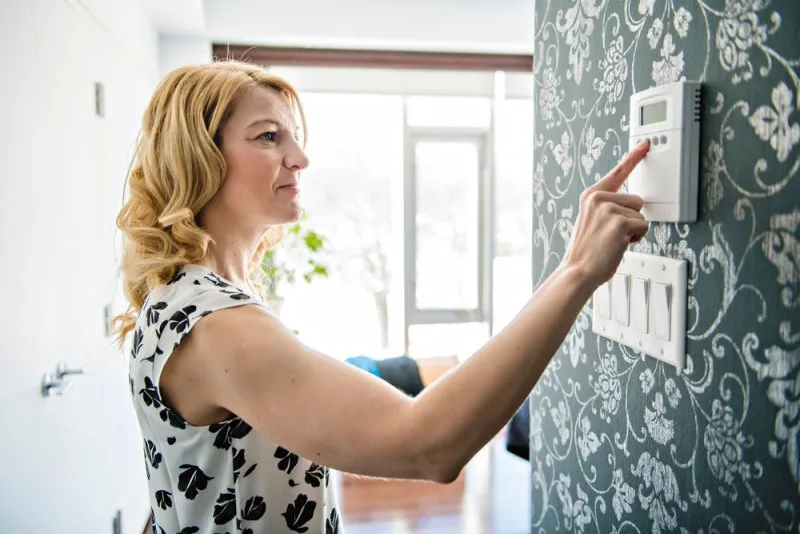
Eco-Friendly Renovations: A Guide for Homeowners
Home renovations are a fantastic way to improve your living space, increase your property value, and tailor your home to your specific needs. However, renovatio...Read More
0 Comments
Post Comment
You will need to Login or Register to comment on this post!