
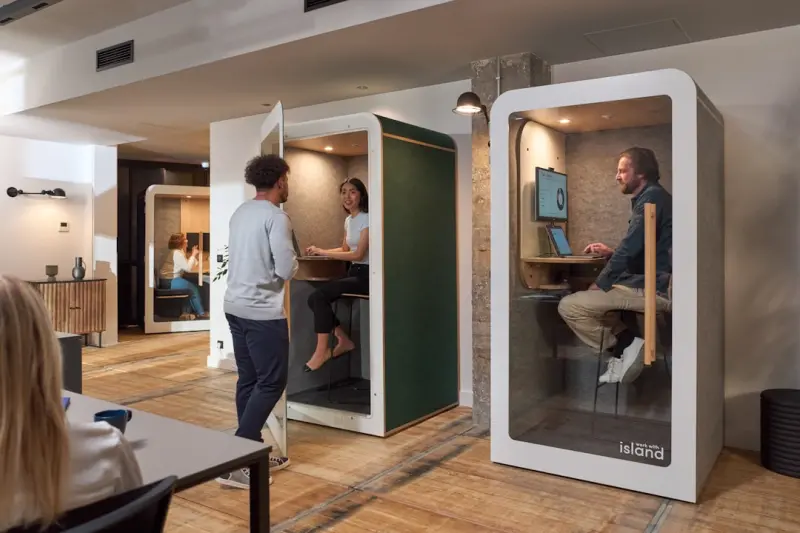
Travel has always been a series of choices, but lately the decisions feel less about “where” and more about “how.” As someone who’s spent the last decade hopping between co‑working spaces in Copenhagen, rooftop cafés in Bangkok, and mountain lodges in Patagonia, I’ve begun to notice a subtle shift: the journey itself is becoming a canvas for intentional design, not just a means to a destination.
From Transit to Experience: Re‑imagining the Journey
When I board a train from Berlin to Prague, I no longer see it as a simple commute. I see it as a rolling studio where I can draft proposals, sketch ideas for my next blog, and even conduct a quick interview with a fellow traveler. This mindset—treating transit as an active, creative space—has transformed the way I schedule meetings, plan collaborations, and even choose my seats.
It’s not just about productivity, though. The subtle hum of the locomotive, the rhythm of the wheels, and the ever‑changing landscape outside the window become part of a sensory tapestry that fuels inspiration. I’ve started to curate a “travel kit” that includes a lightweight sketchbook, noise‑cancelling earbuds, and a compact espresso maker. Each item is deliberately chosen to turn ordinary motion into a purposeful ritual.
Designing Portable Workspaces
In the past, a “workspace” was synonymous with a desk, a chair, and a stable internet connection. Today, it’s a fluid concept that follows me from a hammock in Bali to a high‑rise office in Dubai. The key is flexibility without sacrificing functionality.
- Modular Gear: I invest in gear that can be re‑configured on the fly. Think magnetic laptop mounts, fold‑out USB‑C hubs, and travel‑friendly standing desks that collapse into a backpack.
- Digital Hygiene: With a rotating roster of Wi‑Fi networks, I’ve built a personalized digital workflow that automatically switches VPNs, adjusts cloud sync settings, and optimizes battery usage based on my current locale.
- Micro‑Rituals: Before diving into work, I spend five minutes meditating or journaling. This “reset” mirrors the micro‑journaling habit I’ve written about, but it’s adapted for the moving office.
These practices have turned my suitcase into a mobile command center, allowing me to maintain a high level of output while still soaking up the ambiance of each new place.
Curating Sensory Journeys
Travel is fundamentally a sensory experience. While many writers focus on the visual allure of a destination, I’ve learned to tune into the less obvious senses—touch, smell, sound, and even taste—to create deeper connections.
In Marrakech, the scent of spices at the souk becomes a mental bookmark, reminding me of a client meeting in a bustling market. In Kyoto, the crisp feel of bamboo under my fingertips as I walk a tea garden grounds me before a presentation. By anchoring moments to specific sensory cues, I can instantly transport myself back to a calm state, even when I’m back at a noisy coworking space.
Travel as a Platform for Micro‑Volunteering
One of the most rewarding trends I’ve observed is the rise of micro‑volunteering opportunities that fit seamlessly into a traveler’s itinerary. Instead of committing to a week‑long project, you can spend an hour teaching a local school a coding lesson, or help a community garden with a quick seed‑planting session.
These bite‑sized contributions have a dual benefit: they enrich the local community and provide you with fresh perspectives that often spark innovative ideas for your own work. I recently spent a Saturday in Oaxaca assisting a nonprofit with a digital storytelling workshop—an experience that not only broadened my understanding of community narratives but also gave me new content for a client’s brand campaign.
The Sustainable Luggage Movement
As travel becomes more frequent, the environmental impact of our gear cannot be ignored. The industry is responding with a wave of sustainable luggage options made from recycled ocean plastics, biodegradable fabrics, and even modular components that can be replaced individually rather than discarding an entire suitcase.
When I switched to a recycled‑material carry‑on last year, I noticed an unexpected benefit: the bag’s weight distribution was superior, reducing fatigue on long walks between terminals. It’s a small win, but it illustrates how eco‑friendly choices can also enhance functionality.
Legal Navigation: The Rise of Digital Nomad Visas
Governments worldwide are recognizing the economic boost that digital nomads bring, offering specialized visas that allow stays of six months to a year. While the paperwork can feel daunting, the payoff is significant—stable legal status, access to local banking, and the ability to establish a semi‑permanent base.
My own experience with Portugal’s digital nomad visa taught me the importance of thorough preparation: gather proof of income, secure health insurance that complies with local regulations, and maintain a clear record of tax residency. Once the administrative hurdle is cleared, the freedom to live and work from a coastal town, with reliable internet and a supportive expat community, becomes a tangible reality.
Re‑thinking the “Tourist” Mindset
Traditional tourism often revolves around ticking off landmarks. I’ve started to flip that script by focusing on “deep dive” experiences—spending a full day with a local artisan, participating in a traditional cooking class, or joining a community hike led by a resident guide. These immersive encounters generate richer stories and foster genuine connections.
For example, during a recent trip to Oaxaca, I spent an afternoon in a family’s kitchen learning to prepare mole from scratch. Not only did I return home with a new culinary skill, but I also gained insights into the cultural significance of food that later informed a brand narrative for a client in the hospitality sector.
Balancing Connectivity and Presence
Staying connected is a double‑edged sword for travelers. While reliable internet is essential for remote work, constant connectivity can erode the very experiences you travel to seek. I’ve adopted a “digital sunset” routine: after 7 p.m., I switch off work‑related notifications and allow myself to fully engage with the surroundings.
This practice aligns with the principles I discussed in Cultivating Your Body Clock, emphasizing intentional pauses for peak wellness. By syncing my work rhythm with the natural rhythm of the locale, I maintain both productivity and a sense of groundedness.
Future Outlook: The Convergence of Travel, Tech, and Well‑Being
The next wave of travel will likely see an even tighter integration of technology and well‑being. Imagine AI‑curated itineraries that adapt in real time to your energy levels, or smart luggage that monitors its own carbon footprint. As we continue to blur the lines between work and leisure, the tools we use will become extensions of our personal wellness strategies.
Until then, my approach remains simple: treat each journey as an opportunity to design a portable, purposeful life. Whether it’s a three‑hour train ride or a month‑long stay in a seaside village, the journey is the canvas—fill it with intention, curiosity, and a dash of sustainable flair.

Lauren Miller is a true outdoors enthusiast who has found her passion in the trades. When she's not working hard on the job, you can find her writing, camping, fishing, and exploring all that nature has to offer. A dedicated partner to her wife Beth, Lauren loves nothing more than spending quality time together and experiencing the great outdoors side by side.
Related Posts

Micro‑Travel: Tiny Getaways, Big Productivity Gains
Micro‑travel offers a practical alternative to long vacations, allowing busy professionals to sche... Read More

Hit the Road Prepared: Your Essential Summer Road Trip Checklist
Summer is synonymous with road trips. The open road beckons, promising adventure, scenic vistas, and... Read More
Off‑The‑Grid Adventures: Reclaiming Travel in a Hyper‑Connected World
A guide to designing meaningful off‑grid trips that prioritize silence, low‑tech navigation, and... Read More
Top Posts
Chasing Trails: How a Sprint Mindset Transforms Outdoor Adventures
Explore how a sprint mindset reshapes hiking, from micro‑goals and gear tweaks to community sprints, turning every trail into a series of purposeful, exhilara...Read More
Visual Search, Voice AI, and Real‑Time SEO: The New Playbook for Rankings
Explore the latest SEO frontiers—visual search, voice AI, and real‑time optimization—and get practical tactics to dominate the evolving SERP landscape....Read More
Turning Search Budgets into Business Accelerators: A Data‑Driven SEM Playbook
Discover a data‑driven SEM playbook that transforms paid search spend into a growth engine through precise audience segmentation, smart automated bidding, and...Read More

How to Save Money By Upgrading Your Lighting
The world is constantly evolving, and with it, our technology. One area where this is particularly evident is in lighting. As we move towards more energy-effici...Read More
0 Comments
Post Comment
You will need to Login or Register to comment on this post!