
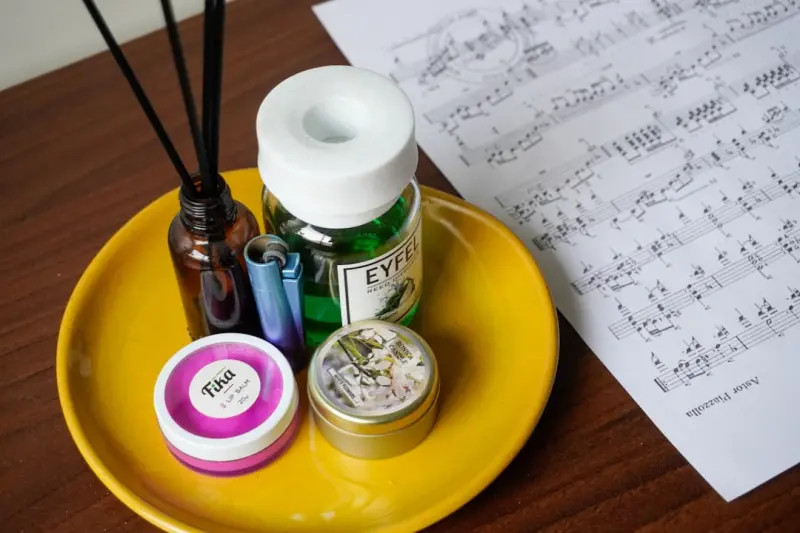
Why the Best Trips Are Felt, Not Just Seen
When I step off a plane and inhale the first breath of a new place, I realize that the most vivid souvenirs are the ones that linger in my nose, ears, and fingertips rather than the snapshots on my phone; the aroma of rain on cobblestones can anchor a city in my mind forever, and a distant chant can echo long after the crowds have dispersed. This sensory travel mindset shifts the focus from ticking landmarks off a list to cultivating moments that pulse through every nerve, creating memory triggers that surface spontaneously when a similar scent drifts by years later. I’ve found that by deliberately tuning into these subtle cues, I turn ordinary journeys into immersive narratives that feel as alive in recollection as they were in real time.
The Invisible Map of Smell
Scents are the hidden cartographers of place, sketching routes that guide us through neighborhoods long before any street sign appears; the sharp tang of sea salt on a breezy pier, the sweet perfume of jasmine spilling from a courtyard, and the earthy musk of a forest after a thunderstorm each write an invisible line on our internal map. When I wander with a conscious nose, I notice how a bakery’s warm dough can lead me down a side alley to discover a family-run café that would otherwise stay hidden, and how the faint perfume of incense can signal a centuries‑old temple tucked behind modern storefronts. By cataloguing these olfactory landmarks, I create a personal GPS that points not only to destinations but also to the feelings they inspire, allowing me to revisit the same city with fresh eyes and a refreshed palate for its aromatic story.
Soundscapes: The Rhythm of a Destination
Every locale hums its own soundtrack, a blend of human chatter, market barters, street musicians, and the natural chorus of wind through trees; these auditory layers act like a living score that can change our pace, mood, and even the routes we choose. I’ve learned to let the cadence of a city’s heartbeat guide my steps—slow, melodic strings in a quiet village urging contemplation, while the rapid percussion of a bustling bazaar propels me forward with excitement. By pausing to listen, I catch the subtle variations—a distant call to prayer, a sudden burst of laughter, the rhythmic clatter of tram rails—that reveal cultural nuances invisible to the eye, and these sound bites become the verses I hum years later when the visual details have faded.
Tasting the Terrain: Flavor as a Cultural Compass
Food is more than sustenance; it’s a direct line to the history, climate, and soul of a region, and each bite can act as a compass pointing toward deeper understanding. When I order a humble street‑side bowl of noodle soup, I’m not just filling my stomach—I’m tasting the labor of farmers, the spice routes that traveled centuries, and the communal rituals of sharing a bowl in a cramped stall. By savoring dishes that are native to the land, I unlock stories of migration, trade, and adaptation that textbooks often overlook, and the lingering flavors become sensory bookmarks that remind me of a particular moment when I first tasted the sea’s brine in a coastal town’s grilled fish.
Touching the Landscape: Tactile Travel Techniques
The texture of a place can speak louder than any guidebook, whether it’s the cool smoothness of ancient stone steps, the gritty sand slipping through fingers on a desert trek, or the soft moss cushioning a hidden waterfall’s pool. Engaging my sense of touch allows me to gauge the age of ruins, the climate’s humidity, and the craftsmanship of local artisans, turning passive observation into active participation. I often pause to run my hand along a weathered wooden door, feeling the grain that tells of countless hands that have opened and closed it, or I press my palm against the bark of a centuries‑old tree, sensing the pulse of a living monument that has witnessed generations of travelers.
Designing a Journey Around the Senses
Planning a trip with sensory checkpoints in mind transforms an itinerary from a rigid schedule to a fluid adventure, and I always start by mapping out where I can engage each sense most fully; I look for markets where spices swirl in the air, festivals where drums reverberate through the streets, and neighborhoods where local artisans let visitors touch raw materials. This approach also encourages spontaneous detours—if a distant melody catches my ear, I follow it, discovering a hidden courtyard performance that would have been missed on a traditional itinerary. For those curious about blending curiosity with structure, the article on unexpected connections offers a great framework for turning serendipity into purposeful exploration.
Minimalist Packing: Letting the Senses Lead the Suitcase
Carrying a lighter bag forces me to rely on the environment’s sensory gifts rather than on a mountain of gadgets, and I’ve found that a capsule wardrobe of versatile pieces not only eases mobility but also heightens my awareness of climate, color, and local dress codes. By selecting clothing that adapts to varied temperatures and textures, I become more attuned to the subtle shifts in weather—a sudden chill that prompts a cozy café stop, or a sunny breeze that invites a stroll along a riverside promenade. This intentional reduction of material distractions sharpens my focus on scent, sound, taste, and touch, turning each sensory encounter into a deliberate act of discovery rather than a background hum.
Tech as a Sensory Ally, Not a Distraction
While I champion the power of raw, unfiltered experiences, I also recognize that certain tools can amplify sensory perception when used wisely; a portable audio recorder can capture the ambient hum of a night market, a compact fragrance journal lets me note the exact bouquet of a blooming garden, and a sleek digital pen can sketch the tactile patterns of stone mosaics I encounter. Integrating these physical gadgets into the travel routine helps me archive the sensory details that would otherwise fade, creating a personal museum of moments that I can revisit and share. The key is to let the technology serve the senses, not replace them, ensuring that every recorded note or captured sound leads back to the lived feeling of the place.
Returning Home with a Sensory Memory Pack
When the journey ends, the most lasting souvenirs are the layered impressions stored in our senses, and I make it a habit to translate those impressions into tangible keepsakes—a pinch of local spice in a sealed jar, a playlist of field recordings, a sketch of a textured wall—so the destination remains alive in my daily routine. By revisiting these sensory artifacts, I keep the adventure’s pulse beating long after the luggage is unpacked, and I find that future trips are enriched by the accumulated sensory library that guides my choices. Embracing this approach transforms travel from a series of pictures into a living, breathing archive, and invites anyone who reads this to step beyond the visual and truly feel the world.

Jody Henderson is a passionate freelance writer, driven by a love for storytelling and a keen eye for detail. With a versatile skillset, she crafts compelling content across a variety of niches, from engaging blog posts to informative articles and persuasive marketing copy.
Related Posts

Designing the Journey: How Portable Workspaces, Sensory Cues, and Sustainable Gear are Redefining Modern Travel
Travel is no longer just a destination; it’s a dynamic, intentional experience. Lauren Miller shar... Read More

How to Make your Next Camping Trip Unforgettable
The crackle of a campfire, the scent of pine, the whisper of the wind through ancient trees – camp... Read More
Ditch the Clutter: Useless Travel Items You Can Leave Behind
Packing for a trip can be exciting, but it's easy to get carried away and pack items you simply won'... Read More
Top Posts

When Minimalism Meets the Mountains: The Ultra-Light Backpacking Revolution
Explore the ultra-light backpacking movement, learning how shedding weight, mastering essential skills, and embracing minimalism can enhance freedom, safety, an...Read More

Building Personal Energy Resilience: Microgrids, Batteries, and Smart Strategies
Explore practical steps to create a resilient home microgrid, from solar kits and battery storage to peer‑to‑peer energy trading, empowering urban dwellers ...Read More

TikTok’s Quiet Revolution: From Viral Moments to Meaningful Communities
Explore TikTok’s shift from viral clips to genuine community building, skill‑sharing, and mindful engagement, revealing fresh pathways for creators....Read More
The Art of Gifting: A Journey of Thought and Emotion
Gifting is not just about exchanging material possessions; it's about showing appreciation, care, and love. Learn how thoughtful gestures can bring joy and stre...Read More
0 Comments
Post Comment
You will need to Login or Register to comment on this post!