

Why Play‑Based Learning Is the Secret Sauce for Growing Confident Teens
When I first held my son’s first handheld game console, I felt a pang of guilt. Was I handing him a distraction, or was I unknowingly handing him a powerful learning tool? Years later, as a parent of a teenager and a mentor for a youth coding club, I’ve come to see the answer with crystal clarity: play isn’t just fun—it’s the engine that drives curiosity, resilience, and real‑world competence.
In a world where screens dominate every waking hour, the challenge isn’t to ban technology but to weave it into experiences that spark growth. Below, I’ll walk you through the three pillars of play‑based learning that any parent, teacher, or community leader can adopt, and I’ll share practical steps you can take tonight to turn your living room into a thriving laboratory of imagination.
1. Narrative‑Driven Play: Turning Stories into Skills
Human beings are wired for stories. From the bedtime fairy tales we whispered to our children to the epic sagas streamed on a screen, narratives give context to the abstract. When kids step into a role—whether a daring space explorer or a savvy market analyst—they practice perspective‑taking, problem‑solving, and emotional regulation without even realizing it.
Start small: create a “story board” on a whiteboard or a digital canvas. Invite your teen to pick a genre—mystery, sci‑fi, historical drama—and outline a simple plot. Then ask them to map out the challenges their protagonist faces and brainstorm solutions. You’ll be amazed at how quickly they start thinking in systems: “If my character needs to cross a river, what tools does she need? What risks are involved? How does she negotiate with a rival?”
What’s powerful about this approach is that it mirrors the iterative cycles used in product development: define a problem, prototype a solution, test, and refine. By framing learning as a story, you lower the stakes, boost engagement, and lay a foundation for critical thinking that transfers to school projects, internships, and future careers.
2. Collaborative Creation: From Solo Play to Community Building
One of the most common complaints I hear from teens is the feeling of isolation—especially after a year of remote schooling. The antidote lies in collaborative creation, where the focus shifts from individual achievement to collective outcome.
Think of a “digital hackathon” that lasts a weekend, but replace code with creativity. Provide a simple theme—like “design a sustainable city” or “reimagine the school cafeteria”—and let small groups sketch ideas, build prototypes with cardboard, LEGO, or free online design tools, and then present to the whole cohort. The magic happens in the dialogue: kids negotiate roles, critique each other’s work, and celebrate breakthroughs together.
This mirrors real‑world teamwork where communication, empathy, and the ability to give and receive feedback are non‑negotiable. As a parent, you can facilitate this by setting up a shared Google Drive (or any collaborative space) where each group can upload their progress, comment, and iterate. The result isn’t just a finished project; it’s a community of young people who feel seen, heard, and valued.
3. Real‑World Contexts: Bridging the Gap Between Virtual and Tangible
We often assume that a kid’s learning stops when the screen goes dark. In truth, the best lessons bleed over into everyday life. When my daughter built a simple budgeting spreadsheet for her allowance, she didn’t just learn math; she learned financial independence.
Here’s a quick exercise you can try tonight: ask your teen to track a week’s worth of personal data—hours spent on homework, screen time, meals, and leisure. Then, together, turn that data into a visual chart using a free tool like Canva or Google Slides. Discuss patterns: “Why did you spend more time on video games on Friday? How could you balance that with a reading habit?” This simple act of data‑driven reflection builds analytical skills and encourages self‑regulation.
For families that love the outdoors, blend technology with nature. Use a free mapping app to design a “treasure hunt” in a local park. Kids will plot coordinates, solve riddles, and physically explore the space. When they return, have them document the adventure with photos or a short vlog, then edit the footage together. The result is a multimodal project that fuses geography, storytelling, and media literacy—all while keeping the body active.
Embedding Communication Skills in Everyday Play
Effective communication is the backbone of any successful venture, and the best way to nurture it is through low‑pressure, high‑frequency interaction. One technique I’ve borrowed from the corporate world is the concept of turning inboxes into conversation hubs. While the original idea targets email marketing, the underlying principle—making every exchange purposeful and collaborative—works perfectly for families.
Try setting up a shared family chat (or a simple email thread) where each member posts a daily “win” and a “question.” The wins celebrate successes, reinforcing a growth mindset, while the questions invite peers to offer advice, resources, or encouragement. This habit transforms mundane messaging into a vibrant learning ecosystem.
If you’re curious about the original framework, check out this insightful piece on building conversation skills through digital mail. You’ll see how the same strategies can be repurposed to nurture curiosity and collaboration at home.
Designing Spaces That Invite Exploration (Without Copying the “Sensory” Buzzword)
Physical environment shapes mental state. A cluttered, noisy room can drown out focus, while a thoughtfully arranged space can ignite curiosity. The key is to design zones that align with the activity at hand—whether it’s reading, building, or brainstorming.
Start by carving out three distinct corners:
- Focus Zone: A quiet area with a comfortable chair, good lighting, and minimal distractions. Stock it with notebooks, pens, and any reference material.
- Creation Zone: A table with all the tools—craft supplies, building blocks, or a laptop. Keep it stocked and organized so the barrier to start is low.
- Reflection Zone: A cozy nook with cushions, a small whiteboard, or a journal. This is where ideas are processed and future steps are plotted.
To see a concrete example of how a well‑designed environment can boost concentration, read about creating a calm study space. The principles translate directly to a kid‑friendly setting, ensuring that the room itself becomes a silent teacher.
Technology as a Co‑Creator, Not a Distraction
Many parents fear that tablets and smartphones are thieves of attention. The reality is more nuanced: technology, when used intentionally, becomes a co‑creator that amplifies imagination. For instance, a simple drawing app can evolve into a storyboard for an animated short; a basic coding platform can turn a game idea into a functional prototype.
Set boundaries, yes, but also provide scaffolding. Choose tools that are open‑ended and encourage iteration. Platforms like Scratch, Tinkercad, or even free video‑editing suites let kids start with a concept and watch it morph into something tangible. Celebrate the process, not just the polished product.
Measuring Growth Without Stifling Joy
Traditional grades and test scores rarely capture the breadth of a teen’s development. Instead, adopt a “portfolio” mindset. Encourage your child to curate a digital folder of projects—art pieces, code snippets, research notes, and reflections. At the end of each month, sit down together and review the collection, highlighting what they learned, what challenges they overcame, and what they’re curious about next.
This approach aligns with the modern workplace’s emphasis on demonstrable skills over rote memorization. It also provides a tangible record you can share with teachers, mentors, or future employers, illustrating a trajectory of continuous learning.
Final Thoughts: Play Is Not a Luxury, It’s a Necessity
From my own journey—juggling spreadsheets at work while coaching a robotics team on the weekends—I’ve learned that the most resilient, adaptable teens are those who spend as much time in purposeful play as they do in formal study. Play nurtures curiosity, builds social capital, and translates directly into the competencies that employers prize: collaboration, creativity, and critical thinking.
So, the next time you catch your teen glued to a screen, pause before you label it “waste.” Ask yourself: What are they building, solving, or imagining? Then, join them, scaffold their experience, and watch them transform a simple pastime into a launchpad for lifelong success.

Armed with a degree in English Literature, Jill’s journey into the digital space wasn't just a career move; it was a natural extension of her lifelong love affair with storytelling. While some writers view search engine optimization (SEO) as a rigid constraint, Jill sees it as a creative puzzle. She understands the delicate art of balancing the algorithmic demands of search engines with the human desire for resonance, emotion, and value. To Jill, keywords aren't just targets to hit; they are the breadcrumbs that lead eager readers straight to the answers they’ve been searching for.
Related Posts
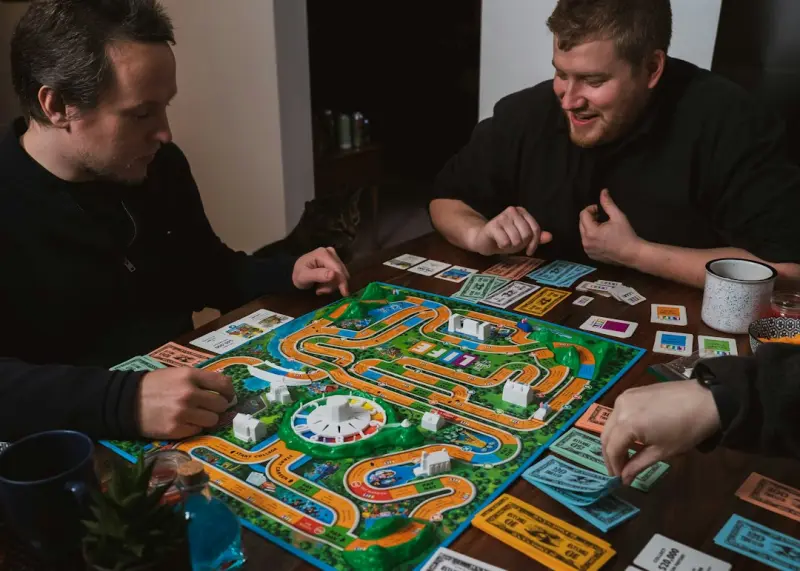
Playful Learning: Turning Games into Real‑World Skills for Kids & Teens
Discover why modern play is the new classroom, how games foster critical skills, and actionable step... Read More
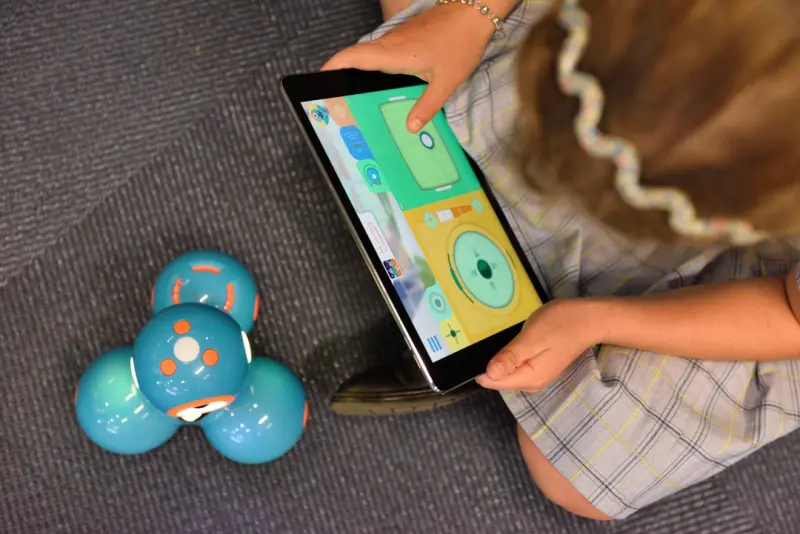
AI Learning Buddies: How Smart Companions Are Redefining Childhood Education
AI learning companions are turning homework into interactive adventures, blending personalized tutor... Read More

Catching Memories: A Comprehensive Guide to Teaching Your Children the Art of Fishing
The act of fishing transcends a mere pastime; it represents an enduring tradition, a gateway to the ... Read More
Top Posts

Celebrating Life's Special Moments with Sustainable Elegance
Discover how to make your celebrations more sustainable with eco-friendly ideas and tips. Learn how to reduce waste and minimize environmental impact while stil...Read More

Micro‑Storytelling: Turning B2B Blogs into Snackable Knowledge Bites
Micro‑storytelling reshapes B2B blogs into concise, actionable narratives that fit busy professionals’ schedules, driving higher engagement and measurable r...Read More

Empathy Meets Automation: Rewriting the Rules of B2B Marketing
A fresh look at B2B marketing shows that combining human empathy with automated workflows creates deeper connections, higher conversion rates, and stronger bran...Read More
Turn Your Content Engine into an Experiment Lab
Learn to transform your content strategy into a dynamic experiment lab, using hypotheses, quick tests, and community co‑creation to drive measurable growth an...Read More
0 Comments
Post Comment
You will need to Login or Register to comment on this post!