
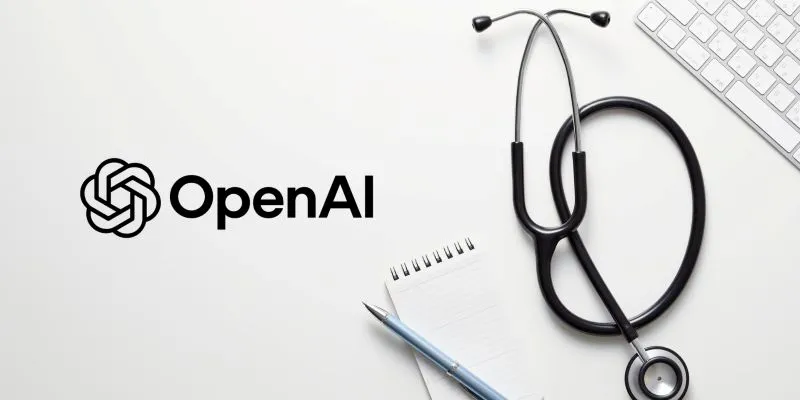
The landscape of modern medicine is shifting beneath our feet. For years, healthcare providers have struggled with the overwhelming burden of administrative work. Now, OpenAI has introduced a specialized tool designed to transform the patient-provider relationship. By creating a custom version of ChatGPT, they are aiming to streamline clinical workflows and alleviate the crushing weight of electronic health record documentation.
When you walk into a consultation, the last thing you want is for your Doctor to be buried behind a glowing computer screen. The integration of artificial intelligence into the exam room is not just about speed; it is about reclaiming the human element of care. This evolution in digital health is poised to redefine how we perceive medical efficiency and diagnostic support.
The Evolution of AI in Healthcare
Artificial intelligence has moved beyond experimental research and into the heart of clinical practice. While early iterations of machine learning focused on diagnostic imaging or predictive analytics, recent breakthroughs have focused on natural language processing. This is where the latest innovations from developers are truly shining.
By processing spoken language into structured medical notes, this technology acts as a silent scribe. It captures the nuance of the conversation without interrupting the flow of dialogue. This allows the physician to focus entirely on the patient, rather than the keyboard.
Addressing the Documentation Crisis
Physicians often spend more time charting than they do with patients. This phenomenon, often referred to as "pajama time," sees clinicians finishing notes long after their office doors have closed. The new AI-powered tools are designed to solve this specific pain point.
- Reduced time spent on data entry.
- Improved accuracy of medical coding.
- Higher satisfaction rates among clinical staff.
- Better focus on patient-centered care.
By automating the mundane aspects of documentation, these systems help prevent burnout. When a professional feels supported by their technology, they are better equipped to provide high-quality, attentive care to every person who walks through their door.
How the Technology Actually Works
At its core, this specialized platform utilizes advanced language models to listen and interpret. It does not simply transcribe audio; it understands medical terminology and context. This allows it to distill a twenty-minute visit into a coherent, standardized summary.
The process is highly secure and designed with patient privacy as the primary pillar. Before a note is finalized, the provider reviews the output for accuracy. This "human-in-the-loop" approach ensures that the clinical record remains reliable while benefiting from the speed of automation.
Maintaining the Human Connection
There is a valid concern that technology might create a barrier between the patient and their provider. However, the goal of this innovation is the exact opposite. By shifting the focus away from the computer, the patient experiences a more present, attentive interaction.
When your medical professional is not distracted by software menus, the quality of your conversation improves. You are more likely to share critical details about your health when you feel genuinely heard. This is the ultimate promise of the new AI integration.
The Impact on Diagnostic Accuracy
Data suggests that comprehensive documentation leads to better outcomes. When notes are thorough and well-organized, it is easier to track trends over time. This helps specialists identify subtle changes that might otherwise go unnoticed during a busy day.
Furthermore, the system can cross-reference findings with established medical guidelines. While it does not replace the expert judgment of a human, it serves as a powerful second opinion. It acts as a safety net that catches potential oversights before they become issues.
Standardizing Medical Records
One of the biggest challenges in medicine is the lack of uniformity in charts. Every provider has a different style, which can lead to confusion when records are transferred. AI helps standardize these documents into a consistent format that is easy for any healthcare team member to understand.
This consistency is crucial for continuity of care. When you see a new specialist, they will have access to a clear, concise history of your health journey. This level of clarity significantly reduces the risk of errors during transitions in care or medication management.
Security, Ethics, and Trust
Any discussion regarding artificial intelligence in medicine must address privacy. Handling sensitive health data requires the highest level of encryption and adherence to regulatory standards like HIPAA. Without trust, these tools would be useless in a clinical environment.
Developers are building these systems with a "privacy-first" architecture. Data is not used to train public models, and sensitive patient information is protected by strict access controls. As the technology matures, these safeguards are being continuously updated to stay ahead of potential threats.
The Future of the Exam Room
Looking ahead, we can expect to see deeper integration across all healthcare sectors. From primary care offices to emergency rooms, these tools will become as standard as the stethoscope. The transition will be gradual, but the impact will be profound.
The role of the professional remains unchanged in its importance. They are still the final authority on every decision. However, they are now supported by a digital assistant that never tires and never loses focus. It is a partnership that elevates the entire standard of healthcare delivery.
Common Questions About AI in Medicine
Patients and providers alike are curious about how this change will affect them. Here are some of the most common questions regarding the rollout of these advanced tools.
- Will my private data be shared? No, these systems are built on private, secure environments separate from public training data.
- Can I opt out of AI recording? Yes, patients always retain the right to ask for the recording to be turned off during their visit.
- Is the AI making medical decisions? Absolutely not; it is a tool for summarization and organization, not a replacement for clinical judgment.
Transparency is key to the adoption of any new technology. When patients understand that the tool is being used to help their provider focus on them, the resistance to change typically fades. Most people welcome an environment where their provider is more engaged.
The Road Ahead: Challenges and Opportunities
While the potential is immense, there are still hurdles to clear. Technology implementation in large hospitals is often slow and requires extensive training. There is also the challenge of integrating these tools with legacy software that has been in use for decades.
Despite these challenges, the trajectory is clear. The demand for better, faster, and more empathetic healthcare is driving innovation forward at an unprecedented pace. Organizations that embrace these tools today will be the leaders of tomorrow.
Refining the User Experience
The next phase of development will focus on personalization. As the systems learn the specific preferences of individual users, they will become even more efficient. This feedback loop will make the technology feel less like a tool and more like a natural extension of the workflow.
We are entering an era where medicine is becoming more data-driven yet paradoxically more human. By allowing technology to handle the data, we free up our healthcare professionals to do what they do best: care for the people in front of them.
Why This Matters to You
You might wonder why you should care about how your provider takes notes. The answer is simple: your health outcomes depend on the quality of your care. When the administrative friction is removed, your visit becomes more productive and less stressful.
Whether you are dealing with a chronic condition or a routine check-up, you deserve a provider who is fully present. This technology is the key to creating that environment. It turns the tide against the administrative burden that has plagued our healthcare system for too long.
Embracing the Digital Transition
We should view this as a positive step forward. As society becomes increasingly reliant on digital solutions, the healthcare sector is finally catching up. The goal is not to replace the human touch, but to protect it from being eroded by bureaucracy.
As these tools continue to evolve, they will likely become invisible—an ambient presence that simply does the work in the background. That is the hallmark of truly great technology: it works perfectly without demanding your attention. We are well on our way to achieving that vision.
Final Thoughts on the Digital Clinic
The introduction of specialized tools by firms like the creator of the world's most famous chatbot represents a watershed moment. We are moving toward a future where the friction of the modern office is a thing of the past. It is an exciting time to be part of the intersection of technology and wellness.
If you have an upcoming appointment, feel free to ask your provider about how they handle documentation. They may already be using, or preparing to use, these advanced systems to enhance your care. The future of medicine is here, and it is designed to help us all live healthier, more connected lives.
In conclusion, the marriage of clinical expertise and machine intelligence is creating a more resilient healthcare system. While challenges remain, the commitment to improving the patient experience is stronger than ever. By choosing to innovate, we are prioritizing the most important resource we have: our time and our health.
As we look forward, let us remember that technology is only as good as the intention behind it. When the goal is to help professionals provide better care, everyone wins. The digital revolution in the exam room is just beginning, and the results are already changing lives for the better.

Laura Wilson is a freelance writer specializing in the dynamic and ever-evolving field of health. With a passion for translating complex medical information into accessible and engaging content, Laura brings a wealth of knowledge and a fresh perspective to topics ranging from preventative care and nutrition to cutting-edge research and innovative treatments.
Related Posts

When Machines Feel: Building Empathy into AI for B2B Relationships
Discover practical ways to turn AI into a compassionate partner for B2B relationships by integrating... Read More
AI as a Personal Thought Partner: Turning Algorithms into Compassionate Coaches
Explore a fresh angle on AI: a personal coach that mirrors your values, nudges healthy habits, and e... Read More
Building a Second Brain: How Generative AI Transforms Personal Knowledge Management
Learn to turn generative AI into a living personal knowledge base, streamlining capture, connection,... Read More
Top Posts

AI‑Powered Web Hosting: The Quiet Revolution Behind Faster B2B Experiences
A deep dive into AI‑enabled web hosting shows how predictive scaling, autonomous security, and seamless integration can cut costs, improve performance, and ac...Read More

The Road Ahead: How Modern Cars Inspire Creative Innovation
From engine hums to electric silence, discover how modern cars shape my creative process and inspire fresh content strategies for today’s creators....Read More

AI‑Driven Skincare: How Personalization Is Changing the Beauty Landscape
Artificial intelligence is revolutionizing the beauty industry, enabling hyper‑personalized skincare that adapts to each individual's skin biology, environmen...Read More

Are Free VPNs Worth It? Top Advantages You Need to Know
The use of Virtual Private Networks (VPNs) has skyrocketed in recent years due to the growing concern for online privacy and security. VPNs encrypt your interne...Read More
0 Comments
Post Comment
You will need to Login or Register to comment on this post!