
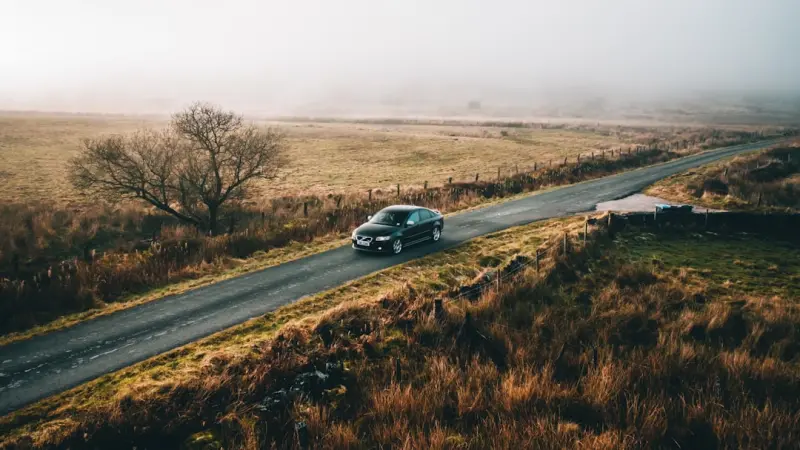
Why the Open Road Still Fuels My Creative Soul
From the moment I turned the key in my first sedan, the hum of the engine became a metronome for my imagination, setting a rhythm that still guides my content‑creation workflow today; the cockpit’s blend of tactile controls and digital displays offers a paradoxical playground where analog nostalgia meets cutting‑edge tech, and every mile feels like a storyboard waiting to be narrated. I often compare drafting a blog post to navigating a winding mountain pass—both require focus, anticipation, and a willingness to embrace the unexpected twists that can transform a routine journey into a memorable adventure. The scent of fresh‑cut leather, the whisper of tires against asphalt, and the occasional burst of a turbocharger’s roar act as sensory anchors that pull me back from digital overwhelm, reminding me that creativity thrives when we allow ourselves to be fully present in the moment.
Electrification: The Quiet Revolution Under the Hood
Electric vehicles have slipped into the mainstream not with a flash of neon lights but with a subtle, almost meditative silence that challenges our traditional notions of performance, and this quiet power has reshaped how I think about efficiency both on the road and in my editorial calendar; the instant torque of a well‑tuned EV mirrors the burst of inspiration that strikes when a headline finally clicks, delivering that surge of momentum we all chase. While many still cling to the romance of roaring V8s, I’ve found that the sleek, streamlined design of an electric drivetrain aligns with my minimalist aesthetic, stripping away unnecessary clutter to reveal the pure, unadulterated essence of motion—a lesson that translates seamlessly into writing concise, impactful copy. The growing network of fast‑charging stations also serves as a metaphor for the modern creator’s need for rapid recharging points, be they coffee breaks, short walks, or quick dives into a favorite podcast, ensuring that the creative engine never sputters.
Performance Tuning as a Creative Exercise
When I experiment with aftermarket upgrades—whether swapping out a cold‑air intake, fine‑tuning a ECU, or installing a performance exhaust—I’m essentially conducting a hands‑on lab experiment that mirrors the iterative process of crafting a viral post; each modification demands hypothesis, testing, and analysis, and the data‑driven adjustments echo the analytics dashboards I check after publishing. The thrill of watching a horsepower gain of just five points translate into a noticeable shift in acceleration teaches me that small, strategic tweaks can have outsized effects, a principle I apply when refining a headline or optimizing meta tags. Moreover, the collaborative community of gearheads, who share tips on forums and meet at track days, reminds me of the value of peer feedback loops in the creative sphere, reinforcing that great ideas often emerge from collective brainstorming rather than solitary toil.
Connected Cars and the New Era of Safety
Modern vehicles are evolving into rolling data hubs, equipped with advanced driver‑assistance systems, over‑the‑air updates, and seamless smartphone integration, turning every commute into an opportunity to practice digital resilience—a theme I explore in depth in my piece Everyday Safety Hacks for a Connected Life, where I discuss how staying informed about firmware patches can protect both your car and your personal data. These built‑in safety nets, from adaptive cruise control to lane‑keeping assist, act like an invisible co‑pilot, constantly scanning the environment and making split‑second decisions that keep us out of harm’s way, much like an editor’s instinct to spot a factual error before it reaches readers. As we entrust more autonomy to our machines, the responsibility shifts to us to understand the technology’s limits and maintain a vigilant mindset, ensuring that convenience never eclipses caution.
Design Language: From Showroom to Studio
The visual language of a car—its silhouette, grille, lighting signatures—has always inspired my sense of brand identity, and I find myself drawing parallels between automotive design and the layout choices I make for a blog post; a sleek, aerodynamic silhouette can be likened to a clean, whitespace‑rich article that guides the eye effortlessly, while bold, angular accents echo the use of striking headlines that command attention. In my recent exploration of interior ergonomics, I discovered how the thoughtful placement of controls and intuitive infotainment interfaces can elevate the driver’s experience, a principle that translates directly to crafting user‑friendly navigation menus that keep readers engaged longer. For deeper insights on how environment shapes creativity, I often reference my analysis in Designing Spaces That Nurture Creativity and Wellness, where I dissect how physical and digital spaces can be harmonized for optimal performance.
The Digital Toolbox for the Modern Gearhead
Just as a well‑organized garage houses every wrench, diagnostic scanner, and torque wrench a mechanic might need, my digital toolbox now includes a suite of plugins, analytics platforms, and AI‑assisted writing assistants that streamline the content‑creation process, and I delve into the specifics in The Toolbox That Transformed My Creative Workflow, highlighting how a single plugin can automate image compression, freeing up bandwidth for richer multimedia storytelling. The integration of telematics data into my workflow allows me to track vehicle performance metrics in real time, offering a treasure trove of content ideas—think “What My Car’s Energy Consumption Tells Me About Sustainable Living”—and these data points can be visualized through interactive charts that boost engagement. By treating my online assets with the same care I give my beloved hatchback—regular updates, backups, and performance checks—I ensure that my creative engine runs smoothly, delivering consistent, high‑quality output to my audience.
Community, Collaboration, and the Road Ahead
Building a community around automotive passion isn’t just about swapping stories at meet‑ups; it’s about fostering a network where expertise, trends, and inspiration flow freely, a concept I explore in depth in The LinkedIn Playbook: Turning Connections into Creative Capital, where I outline strategies for leveraging professional platforms to amplify niche interests. When I post a detailed review of a new performance chip on social media, the ensuing dialogue often uncovers alternative tuning methods, regional regulations, or even hidden pitfalls I hadn’t considered, turning a single piece of content into a collaborative research project. This symbiotic relationship between creator and community not only fuels my own growth but also elevates the collective knowledge base, ensuring that the next generation of car enthusiasts inherits a richer, more informed legacy.
Steering Toward a Sustainable, Creative Future
As the automotive landscape accelerates toward electrification, autonomous driving, and sustainable materials, my role as a storyteller evolves, demanding that I stay ahead of the curve while preserving the visceral thrill that first drew me to the road; I aim to blend factual reporting with the emotive narratives that keep readers’ hearts racing, crafting pieces that celebrate both technological progress and the timeless romance of the open highway. The challenge lies in balancing data‑driven insights—such as lifecycle emissions analyses—with the human element of why we love cars in the first place, a balance I strive to achieve in every article, podcast, and video I produce. Looking forward, I’m excited to explore how emerging trends like vehicle‑to‑grid integration might inspire new content formats, perhaps even live‑streamed workshops where audiences can interact with a car’s energy flow in real time, turning the ordinary act of driving into an immersive, educational experience.

Jessica Gills is a freelance writer carving a niche for herself by empowering others through her words. With a focus on careers, self-development, and business, she helps readers navigate the complexities of the modern professional landscape.
Related Posts
Driving the Future: How Open Car APIs Are Changing the Road
Open car APIs are turning vehicles into adaptable platforms, offering drivers personalized experienc... Read More
Your Car’s Next Upgrade: Predictive Maintenance as a Personal Health Coach
Predictive maintenance uses real‑time sensor data and AI to alert drivers of potential issues befo... Read More

Navigating the Cold: A Professional's 10-Step Guide to Winterizing Your Vehicle
As the vibrant hues of autumn begin to fade and the crispness in the air portends the colder months,... Read More
Top Posts

Designing a Sensory Wedding: How to Engage All Five Senses for an Unforgettable Celebration
Discover the art of a sensory wedding, where fragrance, lighting, sound, flavor, and texture blend to create an unforgettable celebration that resonates long af...Read More

From Silos to Symphonies: Orchestrating Integrated Campaigns with Collaborative AI Platforms
Discover a fresh blueprint for media agencies to break down silos, unify creative assets, and leverage AI‑powered collaboration tools for smarter, faster, and...Read More

Zero‑Waste Personal Care: Building a Sustainable Grooming Routine
Learn how to transform your daily grooming habits into a sustainable, high‑performing routine with refillable containers, reusable tools, and smart tech, all ...Read More

Tips to Drive More Traffic to Your Blog
In the vast, cacophonous digital landscape, simply publishing a blog post is akin to whispering in a hurricane. While the passion for your niche and the quality...Read More
0 Comments
Post Comment
You will need to Login or Register to comment on this post!