

Why Interior Design Is Shifting Toward Human‑Centric Spaces
When I first opened my studio doors, the industry still whispered about “open‑plan” and “minimalist chic” as if they were the ultimate goals. Today, the conversation has moved beyond aesthetics to a deeper exploration of how rooms feel—the subtle hum of comfort, focus, and belonging that a space can generate. Clients now ask for environments that support mental clarity, emotional safety, and even creative flow, and I respond by blending design theory with the science of human behavior, ensuring every square foot serves a purpose beyond mere decoration.
Color Psychology: Painting Mood, Not Just Walls
Color is the silent storyteller of any room, and I’ve learned to listen closely to the narratives it can craft. A muted sage green can calm a bustling home office, while a daring cobalt accent injects energy into a living area that doubles as a gallery space. By pairing a thoughtful palette with natural light, I create a backdrop that subtly guides emotions, turning a simple wall into a catalyst for productivity or relaxation depending on the client’s intent.
Integrating Technology Without Overwhelm
Smart lighting, voice‑controlled blinds, and ambient sound systems are now staples in my design toolkit, yet the challenge lies in weaving them seamlessly into the visual language of the home. I treat technology as a supportive character rather than a star, hiding routers behind decorative moldings and selecting devices that echo the room’s texture and tone. For those curious about the future of creative collaboration, I often reference AI as a Creative Co‑Pilot, which shows how intelligent tools can enhance—not dominate—the design process.
Biophilic Elements: Bringing the Outdoors Inside
There’s a growing body of research confirming that plants, natural materials, and daylight improve cognition and lower stress, and I make that science a cornerstone of my projects. From a living wall behind a reception desk to reclaimed wood shelving that tells a story of sustainable sourcing, each element is chosen to echo the rhythms of nature. When I pair these biophilic touches with strategic ventilation, the space breathes, inviting occupants to pause, reflect, and feel genuinely at home.
Flexible Furniture for Fluid Lifestyles
Modern living demands furniture that adapts as quickly as our schedules shift, so I prioritize modular pieces that can be re‑configured for work, play, or quiet contemplation. A sectional that transforms into a daybed, a desk that folds into a wall, and stackable seating that pops out for gatherings—all these solutions respect both form and function. By selecting pieces with hidden storage or lightweight frames, I empower clients to declutter visually, which in turn amplifies the sense of spaciousness.
Curating Personal Storytelling Through Objects
Every home is a canvas for personal narrative, and I love guiding clients to display heirlooms, travel souvenirs, and art that speak to their journey. Rather than scattering décor, I design curated vignettes where each object has a designated stage, creating visual rhythm that feels intentional yet lived‑in. This approach mirrors the principles I discuss in The Everyday Wellness Blueprint, where habit, environment, and personal expression intersect to nurture well‑being.
Case Study: A Small Apartment Turned Creative Sanctuary
Recently I transformed a 550‑square‑foot loft for a freelance writer who needed a space that sparked imagination without feeling cramped. We began by removing non‑essential walls, adding a glass partition that doubled as a bookshelf, and installing a skylight to flood the room with natural light. The color scheme shifted from stark white to warm terracotta, complemented by a curated gallery wall featuring the client’s own sketches, and a discreet smart speaker system that provided ambient playlists during late‑night brainstorming sessions.
Actionable Checklist for Your Next Redesign
To translate these ideas into your own home, start with a mood audit: list the emotions you want each room to evoke and select colors, textures, and lighting that support those feelings. Next, map out technology touchpoints, ensuring devices blend into the design rather than dominate it. Finally, introduce at least one biophilic element—be it a potted fern, a reclaimed wood accent, or a simple window box—to anchor the space in nature. Follow these steps, and you’ll create an interior that not only looks good but also feels good, fostering both comfort and creativity.

Jody Henderson is a passionate freelance writer, driven by a love for storytelling and a keen eye for detail. With a versatile skillset, she crafts compelling content across a variety of niches, from engaging blog posts to informative articles and persuasive marketing copy.
Related Posts
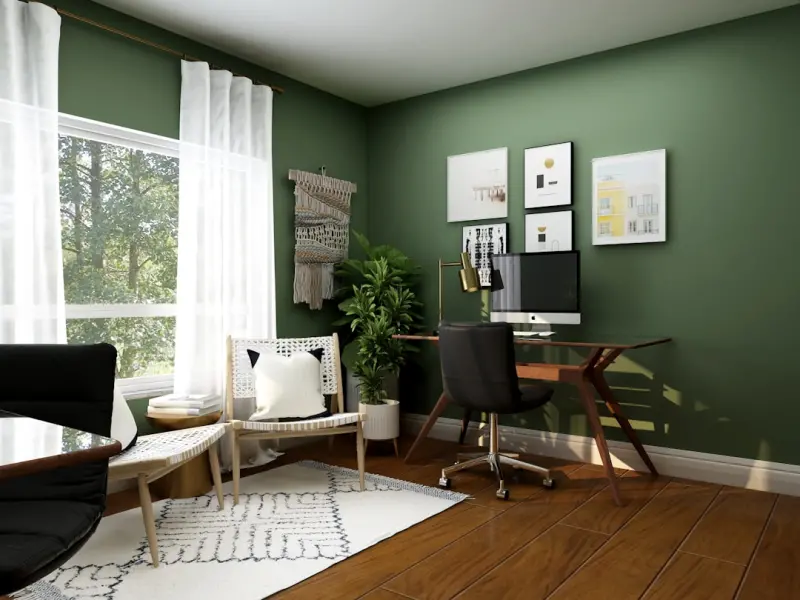
The Hybrid Home Office: Designing Spaces that Flex with Your Work Rhythm
Discover the core principles of modular furniture, acoustic zoning, adaptive lighting, sustainable m... Read More
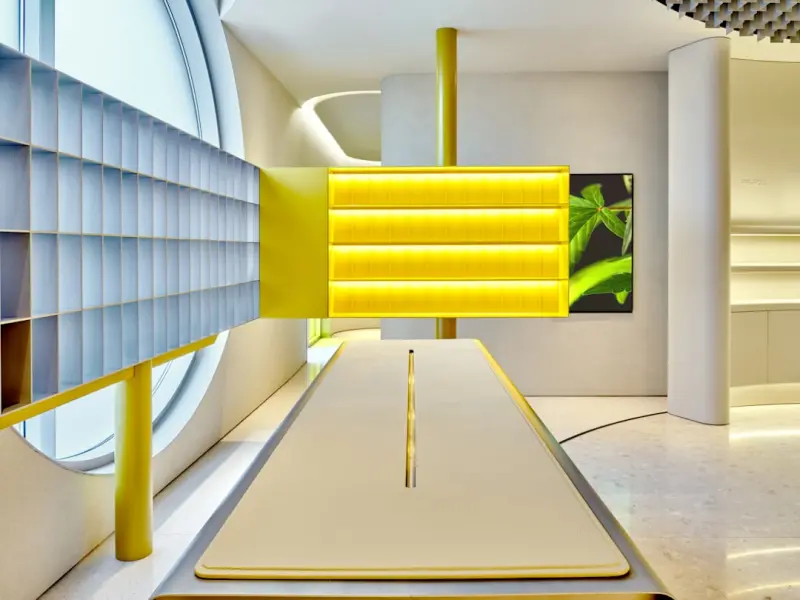
Designing for the Senses: A New Frontier in Interior Spaces
A deep dive into sensory-driven interior design, revealing how sight, sound, touch, smell, and taste... Read More

Designing for Sensory Balance: Color, Texture, and Light in Everyday Spaces
Learn a holistic approach to interior design that goes beyond trends, focusing on color psychology, ... Read More
Top Posts

Best Carpet Cleaning Hacks That Work
Carpets bring warmth, comfort, and aesthetic appeal to any space, but their beauty can quickly diminish under the relentless assault of daily life. From acciden...Read More

Design Sprints: How Fast‑Paced Thinking is Revolutionizing Web Design
Explore the power of design sprints in web design, from rapid prototyping to integrated SEO, and see how speed and creativity can deliver stunning, high‑perfo...Read More

Cleaning the Air You Breathe: A Practical Guide to Eco‑Friendly Home Care
A comprehensive, practical guide shows how swapping traditional cleaners for simple, natural solutions can lower indoor pollutants, reduce plastic waste, and bo...Read More

The Intersection of Law and Sustainable Living: A New Era of Eco-Friendly Innovation
The intersection of law and sustainable living is driving a new era of eco-friendly innovation. Learn how lawyers can play a critical role in driving sustainabl...Read More
0 Comments
Post Comment
You will need to Login or Register to comment on this post!