
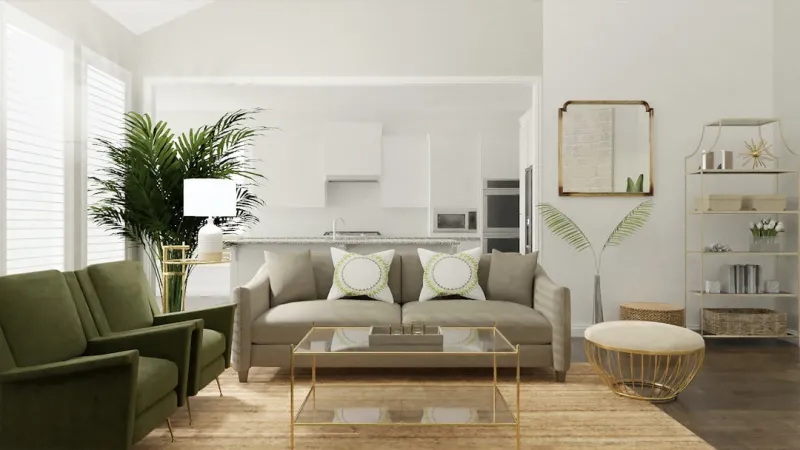
Creating a Sanctuary: How Interior Design Can Impact Mental Health
As someone who's passionate about interior design and mental well-being, I'm excited to share with you the profound impact that our living spaces can have on our mental health. Our homes are meant to be a sanctuary, a place where we can retreat from the stresses of everyday life and recharge. However, for many of us, our living spaces can be a source of stress and anxiety. Clutter, poor lighting, and a lack of natural elements can all contribute to feelings of overwhelm and fatigue.
The Connection Between Space and Mental Health
Research has shown that our surroundings can have a profound impact on our mental health. A well-designed space can boost our mood, improve our focus, and even reduce symptoms of anxiety and depression. On the other hand, a poorly designed space can exacerbate mental health issues, making it harder to cope with the demands of everyday life.
The Power of Nature in Interior Design
One of the simplest and most effective ways to create a sanctuary-like atmosphere in our homes is to incorporate natural elements into our design. This can be as simple as adding a few potted plants or a vase of fresh flowers to a room. Biophilic design, which involves incorporating natural elements into our built environments, has been shown to have a positive impact on mental health. By bringing the outdoors in, we can create a sense of calm and well-being that's essential for maintaining good mental health.
The Benefits of Minimalism
Another key element of creating a sanctuary-like atmosphere is to adopt a minimalist approach to interior design. Clutter and disorganization can contribute to feelings of anxiety and stress, making it harder to relax and unwind. By paring down our belongings and creating a sense of calm and order, we can create a space that feels peaceful and restful. This doesn't mean that we have to get rid of everything we own, but rather that we should be intentional about the things we choose to keep in our space.
The Impact of Color on Mental Health
Color is another important element of interior design that can have a profound impact on our mental health. Different colors can evoke different emotions and moods, and can even affect our appetite, energy levels, and sleep patterns. For example, blue and green are often associated with feelings of calm and relaxation, while red and orange can stimulate energy and creativity. By choosing colors that promote positive emotions and moods, we can create a space that supports our mental well-being.
Designing for Mental Health
So, what can we do to create a space that supports our mental health? Here are a few tips:
- Incorporate natural elements, such as plants, wood, and stone, into your design.
- Adopt a minimalist approach to interior design, paring down your belongings and creating a sense of calm and order.
- Choose colors that promote positive emotions and moods.
- Consider incorporating elements of biophilic design into your space.
The Importance of Self-Care
Finally, it's worth noting that creating a sanctuary-like atmosphere in our homes is just one part of maintaining good mental health. Self-care is essential for maintaining our overall well-being, and can involve everything from exercise and meditation to spending time with loved ones and pursuing hobbies and interests. By prioritizing self-care and creating a space that supports our mental health, we can take a proactive approach to maintaining our overall well-being.
Conclusion
In conclusion, our living spaces can have a profound impact on our mental health. By incorporating natural elements, adopting a minimalist approach to interior design, and choosing colors that promote positive emotions and moods, we can create a space that supports our mental well-being. Remember, our homes should be a sanctuary, a place where we can retreat from the stresses of everyday life and recharge. By prioritizing our mental health and creating a space that supports our well-being, we can take a proactive approach to maintaining our overall health and happiness.
Additional Resources
If you're interested in learning more about the connection between interior design and mental health, I recommend checking out some of the following resources:
- Mental Health in the Digital Age: This article explores the complexities of modern life and how they impact our mental health.
- Nurturing Nature and Ourselves: This article discusses the profound impact of gardening on mental health.

Freelance writer with a flare for everything. I am passionate about topics I write crafting stories and compelling content that connect with audiences. Journeying through the realms of creativity as a freelance creator. #WriterLife #ContentCreator
Related Posts
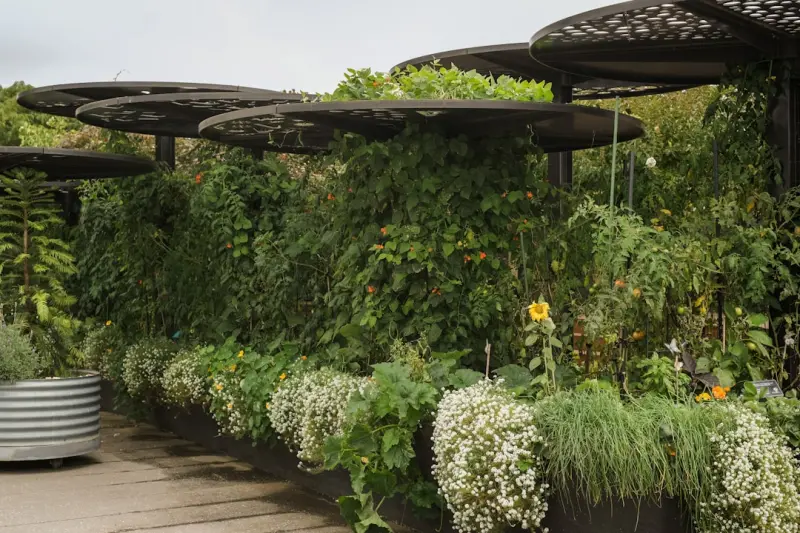
Bringing the Outdoors In: How Biophilic Design Transforms Modern Interiors
Discover the power of biophilic design—using plants, natural light, water, and organic textures—... Read More
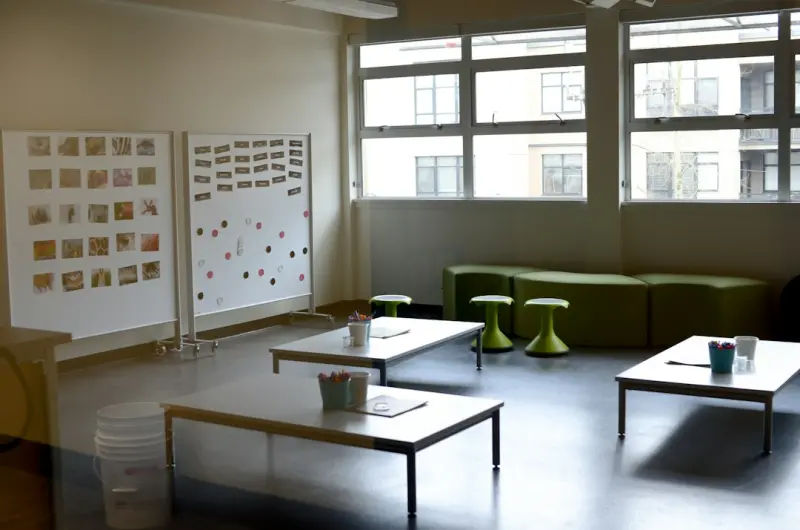
Designing Adaptive, Multi‑Generational Spaces: Flexibility Meets Style
Discover the future of interior design with adaptive spaces that seamlessly shift from quiet reading... Read More
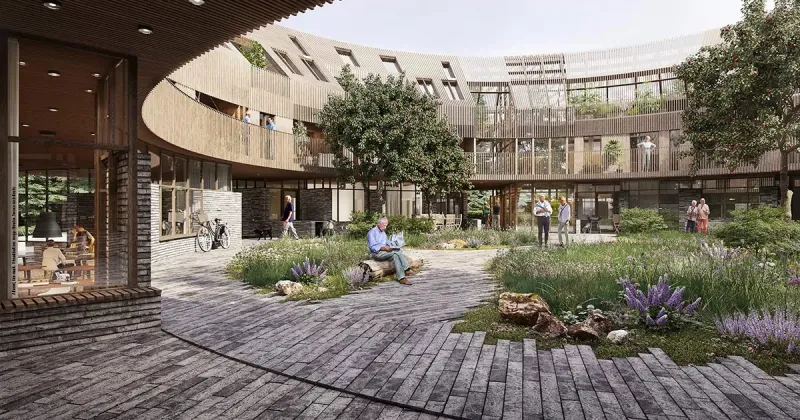
Mindful Living, Beautiful Spaces: Designing Your Home for Well-being and Sustainability
Transform your home into a sanctuary with mindful and sustainable design principles. Learn how eco-f... Read More
Top Posts

5 Simple Approaches to Shopping Smarter
In an era of relentless consumerism, where targeted ads flood our feeds and new products constantly vie for our attention, the act of shopping can feel less lik...Read More

Seniors Powering the Wisdom Economy in SaaS
Seniors bring decades of strategic insight, risk mitigation, and customer empathy to SaaS companies, turning experience into a competitive advantage through low...Read More
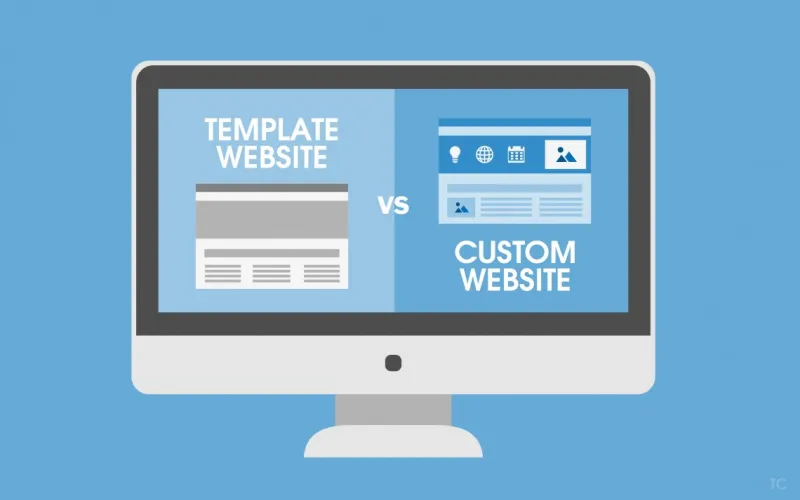
What Makes Custom Web Design Better Than Basic Templates
A website is often the first—and sometimes the only—point of contact between a business and its audience. The design of that site therefore carries far more...Read More

Are You Using Geofencing Around Your Home? You Should Be
In the landscape of modern home automation, the term "smart home" has evolved from a futuristic luxury into a baseline expectation for the connected consumer. H...Read More
0 Comments
Post Comment
You will need to Login or Register to comment on this post!