
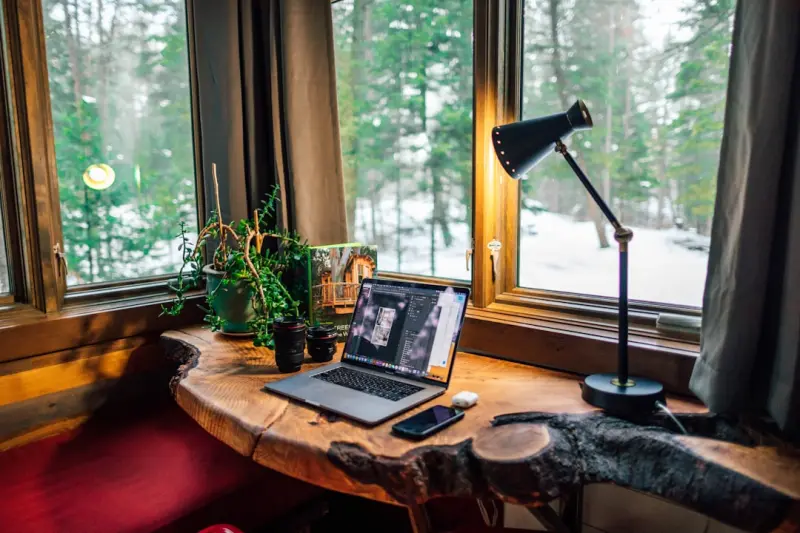
When the pandemic turned dining tables into desks and bedrooms into boardrooms, the home office exploded onto the design radar. Yet many of us still treat it as an afterthought—an add‑on to a living space rather than a purposeful environment. I’ve spent the past few years watching the evolution of interior design from a purely aesthetic discipline to a science of well‑being. The most compelling development? The rise of biophilic design, a philosophy that invites nature inside, not just as decoration but as a core component of how we feel, think, and work.
Why Biophilic Design Matters for Remote Workers
Biophilia, the innate human affinity for the natural world, isn’t just a feel‑good buzzword. A growing body of research links exposure to natural elements with reduced stress, sharper focus, and higher creativity. In an era where the line between home and office blurs, integrating nature into the workspace can be the differentiator between burnout and sustained productivity.
- Stress reduction: Views of greenery trigger a parasympathetic response, lowering heart rate and cortisol levels.
- Improved cognition: Studies show that even a single indoor plant can boost concentration and memory retention.
- Enhanced mood: Natural textures and colors stimulate dopamine, lifting overall mood and fostering a sense of calm.
These benefits aren’t abstract; they translate directly into measurable outcomes—shorter task completion times, fewer sick days, and a more resilient mindset during tight deadlines.
Core Elements of a Biophilic Home Office
Creating a biophilic workspace doesn’t require a full‑scale indoor forest. It’s about layering multiple nature‑inspired elements to achieve a harmonious environment.
1. Living Greenery
The most obvious entry point is plants. Choose varieties that thrive in low‑light conditions, such as ZZ plants or snake plants, if your office lacks a window. For brighter spaces, consider larger statement pieces like a Fiddle Leaf Fig or a Monstera deliciosa. Position them at eye level to create a visual pause, and rotate them periodically to keep the view fresh.
2. Natural Materials
From reclaimed wood desks to bamboo flooring, the tactile quality of natural materials grounds the space. These surfaces not only look warm but also echo the textures you’d find outdoors. When selecting furniture, prioritize sustainably sourced wood and avoid synthetic laminates that can off‑gass volatile compounds. For a deeper dive into sustainable choices, explore Green Chemistry Meets the Office: The Future of Eco‑Cleaning, which highlights low‑impact cleaning solutions that preserve material integrity.
3. Organic Light
While natural light is a well‑trodden topic—Let the Sun In covered its power—biophilic design extends beyond brightness. It embraces the quality of light: diffused, soft, and reminiscent of sunrise or forest canopy. Use sheer curtains, frosted glass, or light‑filtering shades to mimic these conditions. Adjustable LED fixtures with tunable color temperature can emulate daylight cycles, supporting circadian rhythms during long workdays.
4. Nature‑Inspired Patterns
Integrate organic motifs—leafy prints, wavy lines, and earthy color palettes—through textiles, wall art, or rug designs. This visual echo of nature reinforces the sense of being outdoors without overwhelming the space. Pair a subtle fern‑patterned wallpaper behind the desk with a solid, muted wall on the opposite side to maintain focus while still providing a calming backdrop.
5. Water Elements
Even a small tabletop fountain can introduce the soothing sound of flowing water. The gentle murmur promotes relaxation and masks distracting background noise. If space is limited, consider a decorative ceramic bowl filled with pebbles and a slow‑dripping water feature.
Designing for Different Workstyles
Biophilic principles are adaptable to a variety of work habits. Below, I outline three common remote‑work archetypes and how to tailor nature‑centric design to each.
Focus‑Intensive Professionals
Those who require deep concentration benefit from a minimalist approach—think a single, large plant, a clean wooden desk, and muted earth tones. Keep visual clutter to a minimum to maintain a clear mental runway. A subtle acoustic panel made from reclaimed cork can absorb ambient noise while adding a natural texture.
Collaborative Creatives
Creative teams thrive on stimulation. Incorporate a living wall or a series of hanging planters to create a lush backdrop for brainstorming sessions. Mix vibrant botanical prints with modular furniture that can be rearranged for group work. The visual richness fuels imagination without sacrificing functionality.
Wellness‑Focused Professionals
If health is the primary driver, prioritize air‑purifying plants (e.g., peace lily, Boston fern) and integrate a small meditation nook with a floor cushion, a low‑profile wooden bench, and a calming water feature. Pair this with a scent‑diffusing system using essential oils like lavender or eucalyptus to deepen the restorative experience.
Practical Steps to Implement Biophilic Design
Transforming your home office doesn’t have to be a massive renovation. Follow these incremental steps to infuse nature into your daily workflow.
- Audit Your Space: Identify windows, wall space, and floor area. Note natural light levels and existing furniture.
- Start Small with Plants: Add one or two low‑maintenance plants. Observe how they affect your mood over a week.
- Swap Materials: Replace a plastic desk organizer with a bamboo or reclaimed‑wood alternative.
- Adjust Lighting: Install a dimmable, warm‑tone lamp near your workstation. Use a timer to simulate sunrise and sunset.
- Introduce Texture: Add a jute rug, linen curtains, or a wool throw. These tactile elements reinforce the natural theme.
- Scale Up: As confidence grows, consider a larger statement piece—a living wall, a custom wooden desk, or a built‑in bookshelf using reclaimed timber.
Remember, biophilic design is a journey, not a destination. Each addition compounds the benefits, creating a cumulative effect that supports sustained well‑being.
Measuring the Impact
Quantifying the return on investment for a nature‑infused workspace can be as simple as tracking a few key metrics over a month:
- Productivity Index: Note the number of tasks completed before and after implementing biophilic elements.
- Stress Levels: Use a quick self‑assessment (e.g., 1‑10 scale) at the start and end of each workday.
- Physical Health: Monitor sick days or incidence of headaches, which often correlate with indoor air quality.
Many remote teams have reported a 10‑15% increase in productivity after integrating natural elements. While individual results vary, the trend is clear: nature works.
Case Study: A Tech Startup’s Remote Office Revamp
Last quarter, I consulted for a mid‑size SaaS startup that had shifted entirely to remote work. Their employees complained of “Zoom fatigue” and a lack of motivation. We introduced a biophilic overhaul:
- Every employee received a starter kit: a Spider Plant, a bamboo mouse pad, and a set of earth‑tone desk accessories.
- The company’s Slack channel featured a weekly “Plant Check‑In” where team members posted photos of their growing greens.
- Leadership allocated a modest budget for a “living wall” in the shared virtual background library, allowing teams to appear in a nature‑rich setting during video calls.
After six weeks, the company reported a 12% rise in sprint velocity and a noticeable dip in reported stress levels. The initiative also fostered a sense of community, as employees bonded over plant care tips and shared their home‑office transformations.
Future Trends: Smart Biophilic Spaces
Technology is beginning to intersect with nature in exciting ways. Imagine a desk that adjusts its height based on the amount of natural light, or a sensor‑driven irrigation system that keeps your plants thriving without manual effort. While these smart solutions are still emerging, they promise to make biophilic design even more accessible and low‑maintenance.
For those interested in the intersection of tech and interior design, keep an eye on developments in Edge‑First Development—the same principles that bring faster, more responsive web experiences can be applied to responsive, adaptive physical environments.
Conclusion: Bring the Outdoors In, One Step at a Time
Biophilic design isn’t a luxury reserved for high‑end offices; it’s a pragmatic, evidence‑based strategy that anyone can adopt. By thoughtfully integrating plants, natural materials, organic light, and subtle water elements, you can transform a bland home office into a sanctuary that fuels creativity, reduces stress, and enhances overall well‑being.
Start small, measure the impact, and let nature guide your design decisions. Your future self—and your bottom line—will thank you.

Mei Chen is a dynamic professional who brings a unique blend of skills to Blogging Fusion. As a key contributor to the Blogging Fusion platform, she leverages her writing expertise to create engaging content that resonates with our audience.
Related Posts

Turning Your Home Into a Living Storybook
Discover a fresh interior design approach that weaves color, texture, lighting, and sustainable mate... Read More
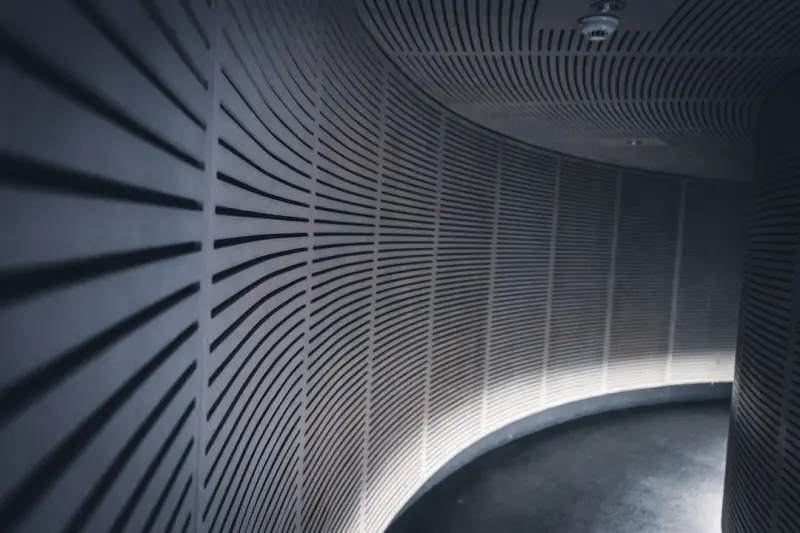
Soundscapes and Spatial Flow: Crafting Interior Environments That Boost Focus
A deep dive into acoustic design reveals how sound, material, and spatial zoning transform interiors... Read More
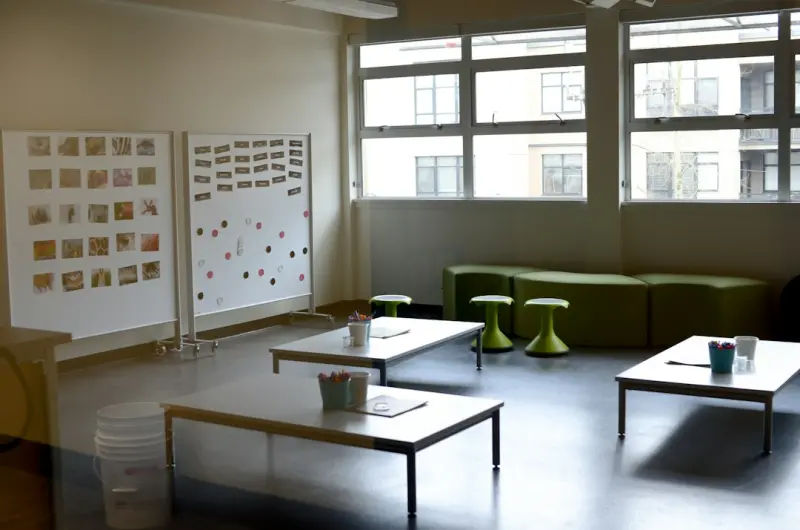
Designing Adaptive, Multi‑Generational Spaces: Flexibility Meets Style
Discover the future of interior design with adaptive spaces that seamlessly shift from quiet reading... Read More
Top Posts

The Future of Business: How Sustainable Living is Revolutionizing the Industry
Sustainable living is revolutionizing the business industry. Learn how businesses can prioritize sustainability and stay ahead of the competition....Read More

Why Subscription Car Services Are Changing the Way We Drive
Explore the rise of subscription car services, their financial benefits, smart garage integration, and how they’re reshaping the automotive landscape for toda...Read More

Beyond the Trailhead: Crafting Personal Microadventures
Microadventures transform everyday spaces into rewarding outdoor experiences. Learn practical tips, safety checklists, and community ideas to fit nature into a ...Read More

Empowering the Next Generation: Navigating the Modern World with Today's Teens
Today's teens face a rapidly changing world. This article explores how to balance digital life with real-world connections, support their mental wellness, and e...Read More
0 Comments
Post Comment
You will need to Login or Register to comment on this post!