

Designing a Personal Narrative
Every room is a chapter, and the way we arrange furniture, color, and objects writes a story that reflects who we are at this moment in our lives; this perspective drives me to treat interior design not as a checklist but as an evolving autobiography where each element is a paragraph that can be revised as our tastes shift. I begin by asking what memory I want the space to evoke—whether it’s the comfort of a grandmother’s kitchen, the excitement of a bustling market, or the calm of a quiet library—and then I select pieces that act as visual metaphors for those feelings, allowing the space to become a living narrative rather than a static backdrop. The process is deeply personal, yet it also invites guests to read the subtle cues you’ve embedded, creating a shared experience that feels both intimate and inclusive, turning the home into a place where stories are not only told but also felt.
Color as Emotion Engine
Color is the most immediate emotional trigger in a room, and I treat it as a palette for mood‑setting rather than a decorative afterthought; the right hue can lift spirits, calm nerves, or spark creativity, depending on the psychological palette you wish to paint. Research shows that cool blues and greens can lower heart rate, making them ideal for bedrooms and home offices, while warm reds and oranges stimulate appetite and conversation, perfect for dining areas and living rooms. By layering a dominant wall color with complementary accent tones in textiles, accessories, and artwork, you can create depth without overwhelming the senses, ensuring that the room’s energy flows naturally from one zone to the next. The key is to balance bold statements with neutral grounding, allowing the eye to wander and settle, which in turn cultivates an environment that nurtures both productivity and relaxation.
Layering Textures for Depth
Texture is the tactile language that adds richness to any interior, and I often start by mixing natural fibers like linen, wool, and jute with sleek surfaces such as polished concrete or brushed metal, creating a dialogue between softness and structure that invites touch and visual intrigue. A well‑curated combination of a plush rug, a reclaimed wood coffee table, and matte‑finished metal lighting fixtures can transform a minimalist space into a multidimensional sanctuary, where each surface tells a part of the larger design narrative. The strategic placement of textured elements also helps to define zones within open‑plan layouts, subtly guiding movement without the need for physical partitions. By varying the scale—from a delicate woven throw pillow to a bold, textured wall panel—you achieve a rhythmic pattern that engages occupants on both visual and sensory levels, making the environment feel lived‑in and thoughtfully composed.
Lighting That Grows With You
Lighting is the invisible architecture that shapes perception, and I prioritize fixtures that adapt to daily rhythms, offering both functional illumination and emotional ambience that evolves from sunrise to sunset. Smart LEDs equipped with tunable white temperatures can mimic natural daylight in the morning, boosting alertness, then transition to warm amber tones in the evening to signal relaxation, effectively syncing the interior’s mood with our circadian needs. Incorporating dimmable pendant lights, floor lamps with adjustable arms, and hidden cove lighting allows you to sculpt shadows and highlights that accentuate textures and color choices, turning a simple room into a dynamic stage. For those seeking eco‑friendly solutions, consider sustainable lighting tricks such as using low‑energy bulbs and motion sensors, which not only reduce electricity costs but also reinforce a conscious design ethic that resonates throughout the home.
Soundscapes Inside Your Home
Acoustic comfort often goes unnoticed until it’s missing, and I view sound as a design element that can either enhance or undermine a space’s serenity, especially in open‑plan homes where noise can travel unchecked. Installing acoustic panels—whether wrapped in fabric that matches your color scheme or crafted from reclaimed wood with perforated designs—absorbs excess reverberation, creating a quieter environment that encourages conversation and concentration. Soft furnishings such as oversized cushions, heavy curtains, and shaggy rugs also act as natural sound dampeners, adding warmth while reducing echo. For rooms dedicated to work or creative pursuits, consider a subtle white‑noise machine or a playlist of ambient nature sounds that can mask urban clatter, helping you maintain focus without sacrificing the aesthetic flow of the space.
Adaptable Furniture Without Compromise
Flexibility in furniture doesn’t have to mean sacrificing style; I champion pieces that transform function while preserving design integrity, allowing a living room to become a guest suite or a study area without the visual clutter of temporary add‑ons. Look for sofas with hidden storage, coffee tables that lift to a higher work surface, and wall‑mounted desks that fold away when not in use, all finished in cohesive materials that blend seamlessly with the room’s overall palette. This approach not only maximizes square footage in smaller apartments but also encourages a minimalist mindset, where each item serves multiple purposes and contributes to a clean, intentional aesthetic. By selecting adaptable furniture early in the design process, you lay the groundwork for a home that can evolve alongside your lifestyle, accommodating new hobbies, family growth, or remote‑work needs without a major redesign.
Storytelling Through Wall Art
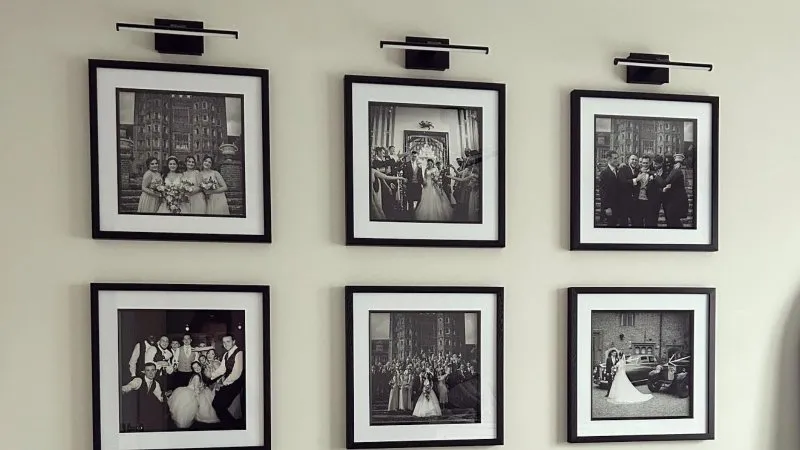
Walls are the blank canvases where personal narratives find their most visible expression, and I treat each piece of art as a visual chapter that can spark conversation, evoke nostalgia, or inspire curiosity. Curate a gallery wall that mixes family photographs, travel souvenirs, and bold abstract prints, arranging them in a way that balances color, scale, and thematic relevance, so the display feels curated rather than haphazard. Incorporating handcrafted pieces—such as a hand‑woven tapestry from a local artisan or a reclaimed wood sculpture—adds depth and authenticity, turning the wall into a living museum of experiences and values. When selecting frames, choose materials and finishes that echo other elements in the room, whether it’s matte black metal that mirrors lighting fixtures or reclaimed wood that ties back to a coffee table, creating a cohesive visual thread that weaves your story throughout the space.
Sustainable Materials That Speak
Choosing environmentally responsible materials is more than a trend; it’s an opportunity to let the very fabric of your home communicate a commitment to the planet, and I often start by sourcing reclaimed wood, bamboo flooring, and low‑VOC paints that not only reduce the ecological footprint but also add unique character to the interior. Reclaimed timber carries its own history, showcasing weathered grain patterns that bring depth and authenticity to walls or furniture, while bamboo’s rapid renewability makes it a smart alternative for cabinetry and flooring without compromising durability. Pair these choices with natural fiber textiles—such as organic cotton throws or wool rugs—to create a cohesive, earth‑centric aesthetic that feels warm and inviting. By integrating sustainable practices into the design, you create a space that tells a story of stewardship, resonating with visitors and reinforcing a lifestyle that values both beauty and responsibility.
Putting It All Together
The art of interior design lies in harmonizing these individual elements—color, texture, light, sound, flexibility, and storytelling—into a cohesive whole that reflects your evolving identity, and I often revisit each component to ensure they continue to serve the narrative I’m crafting. As you experiment, consider the lessons learned from creative sprints; just as a city sprint inspiration can accelerate ideas, a focused design sprint in your home can reveal unexpected pairings and fresh perspectives that revitalize the space. Ultimately, a well‑designed interior is a living, breathing entity that adapts, inspires, and comforts, inviting you to return day after day to a setting that feels both familiar and continually new, a true testament to the power of intentional design.

Jimmy Anand is a content creator that gets inspired by many aspects of life, internet or whatever inspires him at that moment. When he's not online he's gaming and when he is not gaming he is online trolling discussion boards.
Related Posts
Light Up Your Home With New Wall Art
The art of home decoration is not just about filling up empty spaces with objects; it's about creati... Read More

Designing Spaces That Nurture Creativity and Wellness
Discover the latest interior design trends that prioritize human experience, from color psychology t... Read More
Designing Spaces That Feel: A Sensory‑First Approach to Interior Design
A deep dive into sensory‑first interior design, showing how intentional lighting, soundscapes, tex... Read More
Top Posts

Google’s Generative AI Toolkit: A New Playbook for SaaS Leaders
Discover how Google’s unified generative AI platform can accelerate SaaS innovation, from AI‑driven meeting assistants to personalized onboarding, while kee...Read More

11 Home Security Recommendations for Your Winter Vacation
As the winter season approaches, many of us are eager to embark on a well-deserved vacation, leaving our homes and daily routines behind. However, before you de...Read More

Designing for the Human Brain: Neuro‑Friendly Web Experiences
Discover a brain‑centric approach to web design that reduces cognitive load, improves accessibility, and drives higher conversions through thoughtful layout, ...Read More

The Hidden ROI of Managed WordPress Hosting: Speed, Security, and Scale
Explore why Managed WordPress Hosting is the secret weapon for faster sites, tighter security, and scalable growth, turning every visit into a measurable win....Read More
0 Comments
Post Comment
You will need to Login or Register to comment on this post!