
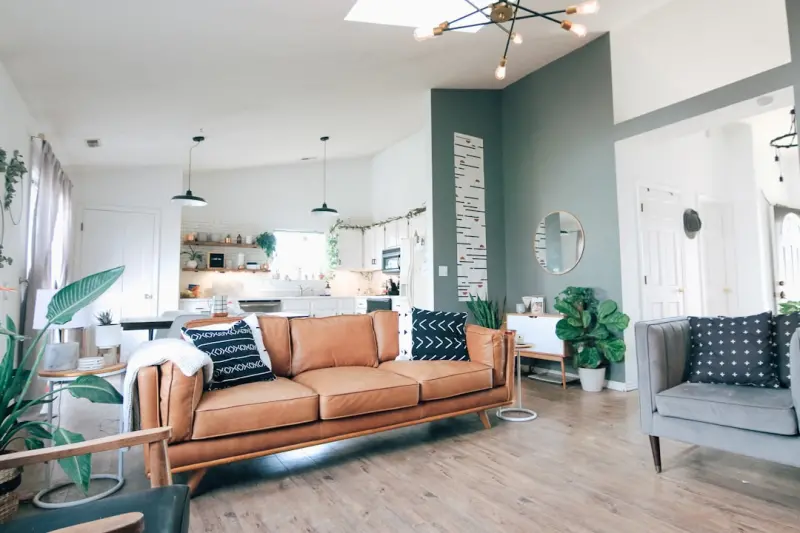
Why Sensory Layering Is the Next Frontier in Home Decor
When I first started arranging my own living room, I was obsessed with what I saw on the walls—paint, artwork, furniture silhouettes. The visual component, though vital, quickly felt insufficient. My space began to feel like a museum display: beautiful but static, lacking the subtle cues that make a room breathe. That’s when I discovered the power of sensory layering. By consciously integrating sight, sound, touch, and scent, you can transform any interior from a simple backdrop into an immersive environment that supports mood, productivity, and wellbeing.
The Four Pillars of Sensory Layering
Think of sensory layering as a four‑part orchestra. Each instrument (color, texture, sound, scent) plays its own melody, yet they must harmonize to create a cohesive symphony. Below, I’ll break down each pillar and share actionable strategies you can apply today.
- Visual Rhythm – This isn’t just about picking a color palette. It’s about establishing a visual flow that guides the eye, creates depth, and supports the room’s purpose.
- Tactile Texture – The feel of a fabric, the grain of a wooden table, or the softness of a rug can subtly influence how comfortable and grounded a space feels.
- Ambient Sound – Background acoustics shape concentration and relaxation. Think of a home office versus a reading nook.
- Subtle Scent – Olfactory cues trigger memory and emotion. A hint of citrus can energize, while lavender calms.
Visual Rhythm: Curating Color and Light for Intent
Color theory has been dissected in design textbooks for decades, yet most homeowners still treat color as a superficial accent. In a sensory‑layered approach, color becomes a functional language. For example, a muted blue in a home office can lower heart rate and improve focus, whereas a warm amber in the dining area can stimulate appetite and conversation.
Beyond hue, consider light temperature. Warm LED bulbs (around 2700K) emulate sunset, fostering relaxation. Cooler lights (5000K) mimic daylight, sharpening alertness. Pairing a warm pendant over the kitchen island with cooler under‑cabinet lighting creates zones that support both culinary creativity and evening unwinding.
To avoid visual clutter, apply the rule of three: select a dominant shade, a complementary accent, and a neutral grounding tone. This triadic approach keeps the eye from wandering while still offering visual interest.
Tactile Texture: Making Space Feel Alive Under Your Fingers
Our skin is the largest sensory organ, yet we often neglect it when decorating. A well‑chosen texture can transform a sterile room into a tactile playground. Here’s how to layer texture effectively:
- Foundation Layer: Start with a base material that defines the room’s character—think reclaimed wood flooring for a rustic vibe or polished concrete for an industrial feel.
- Secondary Layer: Add softer elements like a chunky knit throw, a velvet sofa, or a woven jute rug. These pieces invite touch and create contrast against the foundation.
- Accent Layer: Sprinkle in tactile accessories—ceramic vases with matte finishes, brass hardware with a brushed texture, or a wall-mounted acoustic panel that feels like fabric.
When you walk barefoot across a plush rug after a long day, the simple pleasure of that texture can signal to your brain that it’s time to unwind. In my own study, I placed a low‑pile rug under my desk and noticed a measurable drop in my stress levels after just a few weeks.
Ambient Sound: Designing the Acoustic Landscape
Acoustics are often an afterthought, but they wield profound influence over cognition and emotion. Hard surfaces reflect sound, creating echoey environments that can be distracting. Soft surfaces absorb sound, promoting calm. By balancing reflective and absorptive materials, you can tailor the acoustic feel to each room’s purpose.
Home Office: Install acoustic panels behind your monitor, use a thick rug, and consider a desktop fountain. The gentle trickle of water introduces white noise that masks disruptive chatter while keeping the atmosphere fresh.
Living Room: A curated playlist of ambient tracks, coupled with a high‑quality Bluetooth speaker hidden behind a decorative screen, can set the tone for gatherings without overwhelming conversation.
Even something as simple as a set of closed‑back bookshelves can act as sound absorbers, turning a busy hallway into a quiet conduit for speech.
Subtle Scent: The Unsung Hero of Home Atmosphere
Humans process scent faster than sight or sound, which is why a well‑chosen fragrance can instantly shift mood. However, the key is subtlety; a scent that’s too strong becomes a distraction.
Here are three scent‑stacking strategies:
- Top Note: Light, uplifting scents like citrus or peppermint for entryways, giving guests an immediate sense of welcome.
- Middle Note: Floral or herbal aromas such as lavender or rosemary for bedrooms, fostering relaxation.
- Base Note: Earthy tones like sandalwood or amber for living areas, providing a grounding presence that lingers.
I often use a combination of essential‑oil diffusers and scented soy candles—one on the coffee table, another near the reading nook—to create overlapping scent zones that feel cohesive yet dynamic.
Putting It All Together: A Step‑by‑Step Room Blueprint
To illustrate how these pillars interlock, let’s walk through a case study: revamping a modest two‑bedroom apartment into a sensory‑rich haven.
Step 1 – Define the Intent of Each Space
Identify the primary activity for each room. In this scenario:
- Living Room – Social hub and casual work zone.
- Bedroom – Restorative sleep environment.
- Kitchen – Energetic cooking and gathering place.
Step 2 – Choose a Visual Anchor
Pick a dominant color that aligns with the room’s intent. I chose a muted sage green for the living room (calming yet fresh), a deep indigo for the bedroom (promoting melatonin production), and a sunny ochre for the kitchen (stimulating appetite).
Step 3 – Layer Texture Strategically
Living Room: Reclaimed walnut coffee table (foundation), linen sofa (secondary), and a hand‑woven sisal rug (accent).
Bedroom: Soft, brushed cotton duvet cover (foundation), a chunky knit throw (secondary), and a velvet ottoman (accent).
Kitchen: Quartz countertop (foundation), matte ceramic backsplash tiles (secondary), and woven wicker basket for produce (accent).
Step 4 – Engineer the Acoustic Profile
Living Room: Add a large, fabric‑upholstered sectional that absorbs mid‑range frequencies, and place a bookshelf with a mix of books and decorative objects as a secondary absorber.
Bedroom: Hang a tapestry with a subtle pattern behind the headboard to dampen echo.
Kitchen: Install a slim, perforated metal backsplash that diffuses sound while reflecting light.
Step 5 – Infuse Scent Wisely
Living Room: A citrus‑cinnamon blend from a discreet electric diffuser.
Bedroom: Lavender‑geranium essential oil mist applied to pillowcases.
Kitchen: A faint aroma of fresh basil from a countertop herb garden.
Step 6 – Test and Tweak
Spend 48 hours living in the space, noting how each sense feels. Adjust lighting temperature, add or remove a rug, or swap a scent until the environment feels balanced. The beauty of sensory layering is its iterative nature—small tweaks produce noticeable shifts in ambience.
Why Sensory Layering Works: A Brief Dive into Neuroscience
Our brains integrate multisensory input in the parietal cortex, forming a cohesive perception of environment. When visual, tactile, auditory, and olfactory signals align, the brain registers a sense of “rightness,” releasing dopamine and reducing cortisol. This neurochemical response explains why a well‑curated space can feel instantly uplifting.
Research also shows that environments with high sensory congruence improve focus by up to 30% and boost perceived comfort levels. In other words, the more your decor speaks the same language across senses, the more you’ll feel at home.
Technology Meets Sensory Design: Tools That Help You Layer Smarter
Modern tech offers a suite of tools to refine each pillar without turning your project into a full‑blown engineering effort.
- Color‑Simulation Apps: Use augmented reality (AR) apps to visualize how different paint shades interact with natural light at various times of day. This prevents costly repainting mistakes.
- Texture‑Mapping Platforms: Websites like Material Bank let you order swatches of fabrics, woods, and finishes, enabling tactile comparison before purchase.
- Smart Speakers & Ambient Noise Generators: Devices such as the Sonos Arc can blend curated soundscapes with white noise, automatically adjusting volume based on ambient sound levels.
- Programmable Diffusers: Wi‑Fi enabled essential‑oil diffusers let you schedule scent transitions, aligning fragrance changes with daily routines (e.g., citrus in the morning, lavender at night).
If you’re a content creator or marketer, consider how the principles of micro‑storytelling techniques can be applied to your interior design narrative. Short, vivid descriptions of texture or scent can convey the experience more powerfully than long‑form lists.
Eco‑Friendly Sensory Layering: Sustainability Without Sacrifice
Going green doesn’t mean compromising on sensory richness. In fact, many sustainable materials inherently enhance tactile and olfactory experiences.
- Reclaimed Wood: Offers a weathered texture and faint pine scent that evolves over time.
- Organic Cotton & Hemp: Provide breathable fabrics that feel cooler against skin than synthetic blends.
- Biophilic Elements: Incorporating live plants adds natural scent, improves air quality, and introduces a subtle rustling sound that soothes the mind.
When you pair these elements with a living system approach—viewing your home as an evolving ecosystem—you’ll find that sustainability and sensory depth reinforce each other.
Common Pitfalls and How to Avoid Them
Even seasoned decorators can stumble when attempting sensory layering. Below are the most frequent missteps and quick fixes.
- Overloading a Single Sense: Too many bold colors can overwhelm the visual field. Balance by grounding with neutrals.
- Neglecting Flow Between Rooms: A scent that works in the bedroom may clash in the hallway. Use transitional aromas like soft sandalwood to bridge zones.
- Ignoring Acoustics: Open‑plan spaces can become noisy. Introduce soft furnishings or acoustic panels early in the design process.
- Choosing Scent for Aesthetics Over Compatibility: A scented candle that smells great but reacts chemically with certain paints can cause discoloration. Test on a hidden spot first.
Future Trends: Where Sensory Layering Is Headed
As smart home technology becomes more integrated, we’ll see deeper personalization. Imagine AI‑driven scent diffusers that adapt to your calendar—releasing energizing citrus before a virtual meeting and calming lavender before bedtime. Or adaptive lighting that shifts hue based on your heart rate, detected via a wearable. These advancements will make sensory layering not just a design philosophy but an automated lifestyle.
In the meantime, the most powerful tool remains your own perception. Trust your senses, iterate, and let each layer tell a story that reflects who you are.
Take the First Step Today
Begin with a single sense. Choose a new texture for a favorite chair, swap a lamp for one with a warmer tone, or add a discreet diffuser in your workspace. Notice how the shift influences your mood and productivity. Then, gradually weave the other senses into the mix. Before you know it, your home will feel less like a collection of objects and more like a living, breathing sanctuary.

Paul Flynn is a versatile freelance writer equipped with a diverse skillset and a portfolio that reflects his wide-ranging interests and expertise. From crafting compelling website copy and engaging blog posts to delivering in-depth articles and meticulously researched reports, Flynn demonstrates a remarkable ability to adapt his writing style to suit various audiences and purposes.
Related Posts
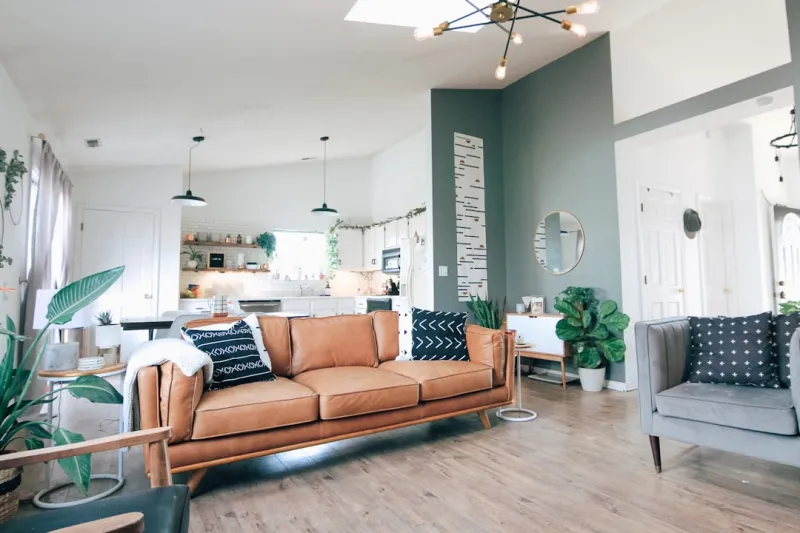
The Rise of Eco-Friendly Home Decor: Trends and Tips for a Sustainable Living Space
The home decor industry is shifting towards sustainable living. Learn about the latest eco-friendly ... Read More
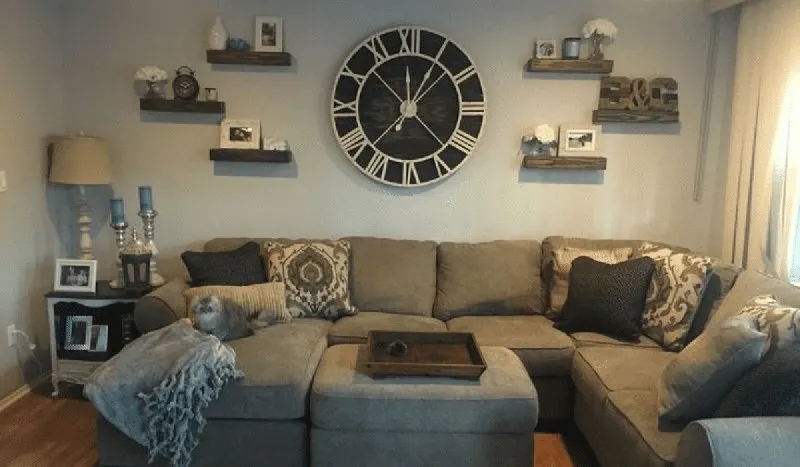
Ideas for Wall Clocks: Timeless Aesthetic to Your Home Decor
In the intricate tapestry of home decor, certain elements transcend mere utility to become pivotal s... Read More
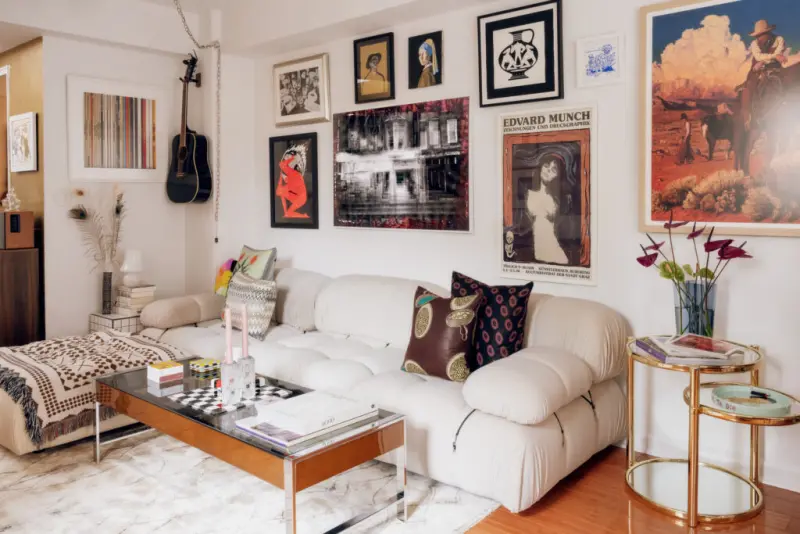
Turn Your Living Room into a Curated Gallery: A Fresh Take on Home Decor
Learn to turn everyday spaces into curated galleries using statement pieces, smart lighting, modular... Read More
Top Posts

A Comprehensive Guide to Utilizing Fall Leaves as Superior Garden Mulch
The annual descent of autumn leaves presents the conscientious gardener and landscape professional not with a disposal chore, but with a foundational resource f...Read More

The Untapped Power of Local Elections in Shaping National Policy
Local elections aren’t just small‑scale contests; they’re the hidden drivers of national policy. Learn how digital grassroots, data privacy, and community...Read More

UI/UX Design Services That Improve Trust Through Better User Experiences
Trust is established in the digital-first business environment way before a customer interacts with a sales representative or makes a purchase. It starts the se...Read More

Why the Decentralized Web Is Quietly Rewriting the Rules of the Internet
The internet is shifting from centralized data farms to a peer‑to‑peer backbone. Discover why SaaS companies should embrace decentralized storage, privacyâ€...Read More
0 Comments
Post Comment
You will need to Login or Register to comment on this post!