
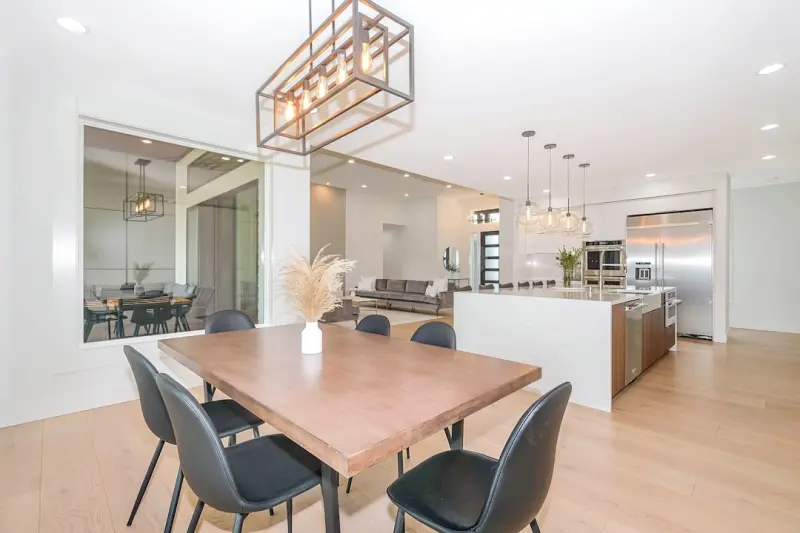
When I first walked into my friend’s newly renovated loft, the first thing that hit me wasn’t the sleek sofa or the polished concrete floor—it was the feeling of stepping into a forest clearing. Sun‑dappled light filtered through a living‑wall of ferns, a gentle mist rose from a handcrafted terrarium, and the subtle scent of cedar lingered in the air. That moment reminded me why I’m obsessed with home decor: it’s the ultimate playground where psychology, biology, and aesthetics collide.
The Rise of Biophilic Design
Biophilic design is more than a buzzword; it’s a movement grounded in the science of how humans respond to natural elements. Researchers have shown that exposure to greenery, natural light, and organic textures can lower cortisol, improve focus, and even boost creativity. In a world where we spend an average of 12 hours a day inside, the need to re‑introduce nature into our living spaces has never been more urgent.
Why Your Home Needs a Touch of the Wild
Think about your daily routine: you wake up, brew coffee, scroll through emails, and head to the kitchen for breakfast. If that kitchen is a sterile box of stainless steel and fluorescent lighting, your brain is already signaling stress. By weaving in living elements—whether it’s a single potted plant or an entire vertical garden—you create micro‑resets throughout the day. These “nature pauses” act like mental espresso shots, refreshing you without the crash.
Getting Started: The Three Pillars of Biophilic Design
- Natural Light: Position furniture to maximize daylight, and consider sheer curtains that filter, rather than block, sunlight.
- Living Materials: Incorporate wood, stone, and plants. Even reclaimed driftwood can become a striking coffee table centerpiece.
- Organic Forms: Choose curves over straight lines. A rounded rug or a sculptural vase mimics the fluidity of nature.
Light as a Living Element
Natural light isn’t just about illumination; it’s a dynamic element that changes throughout the day. To harness its power, start by mapping the sun’s path across your windows. If a north‑facing room feels perpetually dim, add a mirror opposite the window to bounce light deeper into the space. For rooms that receive harsh midday sun, install adjustable louvered blinds that let you dial in the perfect amount of glow. The goal is to create a rhythm that mirrors sunrise, noon, and sunset—an indoor diorama that evolves with time.
Greenery That Works
Plants are the MVPs of biophilic design, but not all green friends are created equal. If you’re a self‑confessed plant‑killer, start with low‑maintenance species like ZZ plants, snake plants, or pothos. These tolerate low light and irregular watering, making them perfect for beginners. For a bolder statement, try a leveraging hobby projects for personal growth approach: repurpose an old wooden pallet into a vertical garden, or turn a vintage ladder into a tiered plant stand.
Water Features: The Subtle Symphony
While we’re steering clear of the “ambient sound” conversation, we can’t ignore the soothing effect of water. A modest tabletop fountain or a wall‑mounted waterfall introduces gentle movement and a whisper of humidity that benefits both plants and skin. Position the water feature near a seating area, and you’ll notice an instinctive inclination to linger—a perfect setup for reading, meditating, or casual conversation.
Textures that Whisper Nature
Beyond plants and light, texture plays a vital role in evoking the outdoors. Think woven jute rugs, linen cushions, and stone countertops. Even a simple woven basket can serve as storage while adding a tactile reminder of natural fibers. When selecting finishes, favor matte over glossy; matte surfaces absorb light like earth, creating a calm ambience.
Color Palettes Inspired by the Wild
The colors of nature are inherently soothing: mossy greens, sky blues, terracotta reds, and soft browns. Use these hues as anchors for your palette, and layer neutrals to keep the space from feeling overwhelming. A deep forest green accent wall can become a dramatic backdrop for a white bookshelf, while pastel leaf‑green throw pillows add a fresh pop without clashing.
Integrating Technology Without Breaking the Spell
Smart homes are here, but they don’t have to feel cold. Opt for devices that blend seamlessly with organic aesthetics. A voice‑controlled light strip hidden behind a wooden slat can simulate sunrise, while a smart thermostat with a minimalist wooden casing maintains comfort without visual intrusion. The key is to let technology support, not dominate, the natural narrative.
Case Study: A Biophilic Living Room Transformation
Let’s walk through a real‑world example. My client, Maya, wanted her urban apartment to feel like a sanctuary. We began by removing a bulky entertainment console and replacing it with a floating reclaimed wood shelf that held a row of small succulents. We installed a large, floor‑to‑ceiling plant—an Ficus lyrata—as a living room focal point. To balance the bold greenery, we added a hemp rug and linen curtains that billowed with the breeze from a newly installed window fan.
Lighting was upgraded with dimmable LED strips hidden behind the crown molding, mimicking the warm glow of a sunset. Finally, a discreet tabletop water fountain placed near the reading nook completed the atmosphere. The result? A space that feels simultaneously modern and grounded, where Maya reports feeling less stressed and more inspired to work from home.
Scaling Biophilic Design: From Apartment to Estate
Whether you live in a studio or a sprawling farmhouse, the principles scale. In smaller spaces, think vertical: wall‑mounted planters, hanging macramé pots, or a narrow herb garden on a kitchen windowsill. For larger homes, you can go bigger—install a living wall in the foyer or create a indoor courtyard with a mix of trees, grasses, and a shallow reflecting pool. The secret is consistency; the natural motifs should echo throughout each room, creating a cohesive narrative.
Budget‑Friendly Hacks
- DIY Planters: Repurpose old mason jars, tin cans, or even vintage shoe boxes as charming containers.
- Swap Out Art: Replace a generic print with a framed pressed‑flower arrangement.
- Nature‑Inspired Textiles: Look for discount fabric stores that carry botanical prints for pillows and curtains.
- Community Exchanges: Join local plant‑swap groups to acquire new greenery without spending a fortune.
Measuring Impact: How to Know It’s Working
After you’ve introduced biophilic elements, pay attention to how you feel. Do you notice a calmer mind after sitting by the indoor garden? Is your focus sharper during work sessions near natural light? Keep a simple journal for a week, noting mood, energy levels, and productivity. You’ll likely see trends that confirm the subtle yet powerful influence of nature on daily life.
Future Trends: Bringing Biophilia to the Digital Realm
Design is always evolving. One emerging trend is the integration of data‑driven design narratives that adjust lighting, humidity, and scent based on real‑time environmental data. Imagine a smart wall that blooms with digital foliage when the air quality drops, reminding you to open a window. While this is still in its infancy, it signals an exciting convergence of technology and nature.
Final Thoughts: Your Home as a Living Canvas
Biophilic design isn’t a one‑size‑fits‑all solution; it’s a mindset that invites you to curate spaces that nourish body and soul. By thoughtfully layering light, greenery, texture, and color, you transform a house into a living canvas that evolves with you. So the next time you sip coffee on your balcony, pause and consider: what’s missing? A leaf‑shaped lamp? A whisper of water? A burst of mossy green?
Remember, the goal isn’t to recreate a forest indoors—just to capture the essence of what makes nature feel restorative. When you succeed, you’ll discover that the most stylish homes are the ones that feel like a breath of fresh air.

Brad Hays is a freelance writer known for his versatile skill set and ability to craft compelling content across a wide range of industries.
Related Posts

Turning Your Home Into a Sensory Symphony
A deep dive into crafting homes that engage all senses—from acoustic panels to curated color palet... Read More

Weaving Personal Storytelling into Home Decor
Explore fresh ways to infuse personal stories into every room, from meaningful focal pieces to susta... Read More
Sensory‑Rich Home Decor: Touch, Sound, and Scent Transform Your Space
Discover the rise of sensory‑rich home decor, where texture, sound, and scent work together to cre... Read More
Top Posts

How to Improve Your WordPress Website Security in 12 Easy Steps
WordPress powers over 43% of all websites on the internet, making it an incredibly popular and versatile platform. Its widespread adoption, however, also makes ...Read More

5 Effective Tips to Picking the Right Landscape and Gardening Service Provider
A well-maintained landscape is more than just a pretty picture; it's an investment in your property's value, curb appeal, and overall well-being. Whether you're...Read More
Balcony Micro‑Ecosystems: Crafting a Sensory Garden in Small Spaces
Turn your balcony into a living sanctuary. Learn modular tools, smart soil tricks, and sensory planting to create a thriving micro‑ecosystem that feeds both b...Read More

10 Best WordPress SEO Plugins For Higher Rankings
In today's highly competitive digital landscape, merely having a website isn't enough. To truly stand out, reach your target audience, and convert visitors into...Read More
0 Comments
Post Comment
You will need to Login or Register to comment on this post!