

Why Your Home Should Be a Storybook, Not Just a Showroom
When I first began arranging my own living room, I treated it like a stage set—perfect lighting, flawless symmetry, a curated Instagram‑ready backdrop. It looked great on camera, but stepping onto the couch felt like walking onto a set where the actors have forgotten their lines. That realization sparked a shift: I stopped decorating for optics and started designing for experience. Home decor, at its heart, is storytelling. Every cushion, curtain, and candle is a paragraph in a narrative that you live in every day. The goal isn’t to create a flawless tableau; it’s to craft a space that whispers, sings, and even smells its way into the daily rhythms of its inhabitants.
Sound: The Unseen Layer of Atmosphere
Most design guides discuss color, texture, and light, but few acknowledge the acoustic canvas of a room. Sound shapes mood the way a bassline drives a song. Soft, absorbing fabrics dampen chatter, while hard surfaces amplify it. Adding a statement rug or a wall of acoustic panels can transform a bustling open‑plan kitchen into a serene breakfast nook. Even the subtle hum of a smart speaker playing ambient nature sounds can become part of the décor, turning background noise into a curated soundtrack that eases the mind after a long day.
Consider pairing your reading corner with a white‑noise diffuser that mimics the gentle rustle of leaves. The sound becomes an invisible texture that layers over the visual, making the space feel fuller without adding clutter.
Smell: The Memory‑Triggering Secret Weapon
Smell is the most primal sense, capable of evoking vivid memories within seconds. Yet we rarely think of fragrance as a design element. A well‑placed essential‑oil diffuser, a scented candle, or even a pot of fresh herbs can turn a hallway into a passage of nostalgia. For instance, the citrusy snap of a lemon‑scented candle can energize a home office, while lavender or sandalwood can calm a bedroom, signaling to the brain that it’s time to wind down.
To keep scents from clashing, treat them like a palette: select a primary “note” for each room and add supporting “undertones” that complement rather than compete. This approach mirrors the way a chef layers flavors, ensuring the overall experience remains harmonious.
Texture: The Tactile Narrative
Our fingers crave variety. The juxtaposition of smooth marble countertops against a rough, reclaimed‑wood dining table tells a story of contrast—modernity meeting tradition. Layering textures—think a chunky knit throw over a sleek leather sofa—creates depth that invites touch. Even small details, such as a brass faucet handle or a woven basket, can become tactile focal points that encourage occupants to engage physically with the environment.
When selecting textiles, think beyond durability; consider how the material feels against skin at different temperatures. A linen curtain might feel cool and refreshing in summer, while a heavyweight velvet drape offers comforting insulation in winter. The changing tactile experience across seasons adds a dynamic narrative element to the home.
Light: Painting With Time
Light is the most versatile brush in a designer’s kit. Natural light changes direction, intensity, and hue throughout the day, offering a living canvas that evolves. By strategically placing mirrors, you can bounce morning sun deep into a dim hallway, while sheer curtains filter harsh midday glare into a soft, diffused glow. natural light strategies can also enhance the colors of your décor, making a muted palette feel vibrant without adding new pigments.
Artificial lighting should complement, not compete, with daylight. Use dimmable LEDs to mimic sunrise and sunset cycles, supporting circadian rhythms and reinforcing the emotional tone of each room. A well‑timed shift from warm amber to cool white can transition a kitchen from a lively cooking space to a calm evening lounge.
Color: Emotional Coding Without the Cliché
Colors are often discussed in terms of “trends,” but they’re really emotional codes. A deep navy can convey confidence, while a muted sage suggests tranquility. To avoid the trap of “trendy” palettes that feel dated in six months, anchor your design in a hue that reflects the purpose of the space. Then, layer in accent colors that can be swapped out seasonally—think cushions, artwork, or decorative bowls—allowing you to refresh the narrative without a full redesign.
One technique I love is the “three‑tone rule”: select a dominant shade for walls, a secondary tone for larger furniture, and a third accent for accessories. This creates a balanced visual hierarchy that feels intentional rather than chaotic.
Personal Artifacts: Turning Memorabilia into Design Assets
Every family has objects that hold stories—a travel‑worn suitcase, a vintage camera, a hand‑stitched quilt. Instead of tucking these items into storage, integrate them into the decor as focal points. A travel suitcase can serve as a side table, a camera can be displayed on a floating shelf, and a quilt can become a wall hanging. By giving these artifacts a place of pride, you embed personal history into the spatial narrative, turning the home into a living scrapbook.
When displaying personal items, consider the visual weight and scale. A large, bold piece can anchor a room, while smaller treasures act as subtle hints that reward close inspection. This layering of visible and hidden stories keeps the space engaging over time.
Biophilic Design: Bringing the Outside In—But With a Twist
Plants are the easiest way to inject life into a room, but the concept goes beyond simply adding a fiddle‑leaf fig. Biophilic design integrates natural patterns, materials, and ecosystems into interior spaces. Think of a living wall that mimics a forest canopy, or a moss terrarium that serves as a miniature landscape. These elements not only improve air quality but also provide a calming visual anchor.
For those who crave the green touch but lack a green thumb, urban gardening insights can guide you in choosing low‑maintenance, air‑purifying plants that thrive in low‑light conditions. Pair them with reclaimed wood planters for an earthy texture that reinforces the biophilic theme.
Movement: Designing Spaces That Encourage Gentle Flow
Our bodies are built for movement, yet many homes feel static—rooms are compartmentalized, pathways are blocked, and furniture arrangements discourage wandering. By arranging furniture to create clear sightlines and gentle pathways, you invite a subtle, health‑supporting flow. A strategically placed rug can act as a “soft runway,” guiding you from the kitchen to the living area.
Even micro‑movements, like reaching for a favorite book on a lower shelf, can be turned into moments of mindfulness. wellness through movement doesn’t require a gym; it begins with thoughtful placement of everyday objects that prompt you to stretch, pivot, and breathe.
Technology as a Subtle Enhancer, Not a Dominant Feature
Smart home devices are now ubiquitous, but they should serve the story, not dominate it. A discreet voice‑activated lighting system can adjust ambiance without the visual clutter of switches. A hidden speaker system can provide ambient soundscapes that blend with the acoustic design described earlier. When technology is invisible, it preserves the authenticity of the space while still delivering convenience.
Choosing devices with minimalist aesthetics—think matte white or brushed metal—ensures they complement rather than compete with the décor. Integration is key: run cables through wall conduits or use wireless solutions to keep surfaces clean and uncluttered.
Curating the Narrative Over Time
Home decor isn’t a one‑time project; it’s an evolving narrative. As seasons change, so can your sensory palette. Swap out scented candles, rotate artwork, or replace a throw pillow to reflect the shifting mood. The most compelling spaces feel lived‑in, not staged. By regularly revisiting each sensory element—sound, smell, texture, light, color—you keep the story fresh and resonant.
Remember, the goal isn’t perfection; it’s authenticity. When every element—visual, auditory, olfactory, tactile—contributes to a cohesive story, you create a home that welcomes you back, day after day, with new layers to discover.

Ryan Stuart is a seasoned freelance features writer, editor, and professional photographer with a passion for exploring the world and capturing its beauty through words and images.
Related Posts
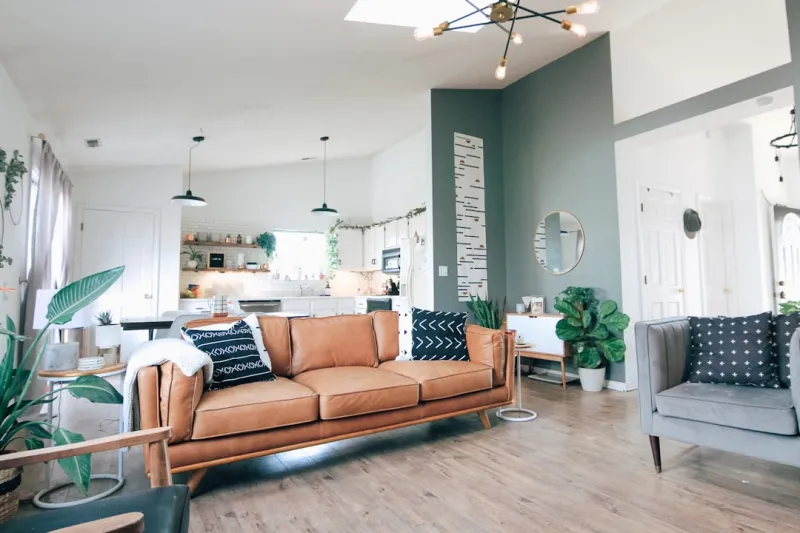
The Rise of Eco-Friendly Home Decor: Trends and Tips for a Sustainable Living Space
The home decor industry is shifting towards sustainable living. Learn about the latest eco-friendly ... Read More

Illuminating the Holidays: A Professional Analysis of Traditional Christmas LEDs vs. Contemporary Lighting
The transformation of a space with light is one of the most powerful acts of the holiday season. It ... Read More
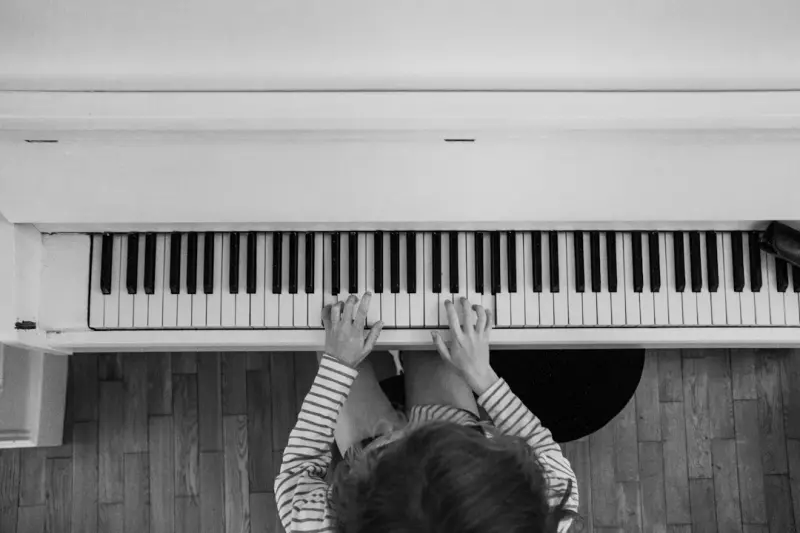
Turning Your Home Into a Sensory Symphony
A deep dive into crafting homes that engage all senses—from acoustic panels to curated color palet... Read More
Top Posts
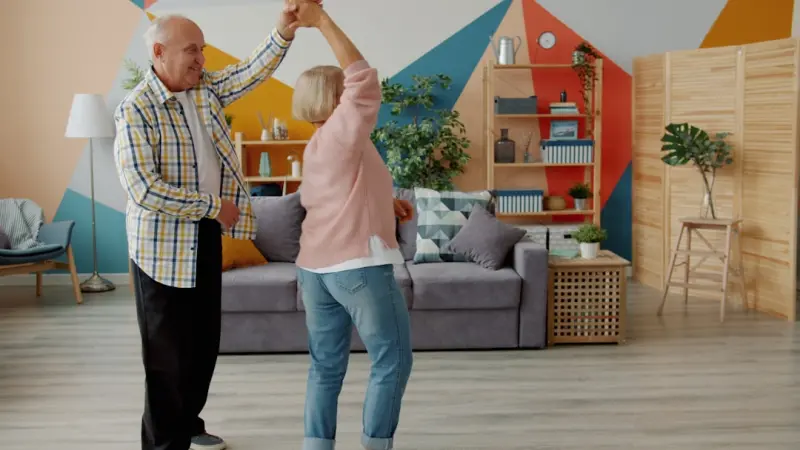
Senior Voices: How Older Adults Are Shaping the Next Cultural Wave
Seniors are stepping into the spotlight, using tech, health tools, and sustainable initiatives to become trendsetters and community leaders, reshaping how we vi...Read More

The Tools That Convinced Me To Take Browser Security More Serious
For the modern professional, the web browser is no longer a mere application; it is the primary operating system for our working lives. We live in tabs. From ma...Read More

When Grandparents Become Digital Storytellers: Crafting Legacy in the Cloud
Seniors are embracing digital tools to transform old photos and anecdotes into vibrant online stories, fostering intergenerational connections and preserving fa...Read More

Re‑Imagining Energy: From Central Grids to Community‑Powered Networks
A fresh look at the energy sector reveals that integrating low‑code data, synthetic AI models, and community microgrids can transform outdated centralized gri...Read More
0 Comments
Post Comment
You will need to Login or Register to comment on this post!