
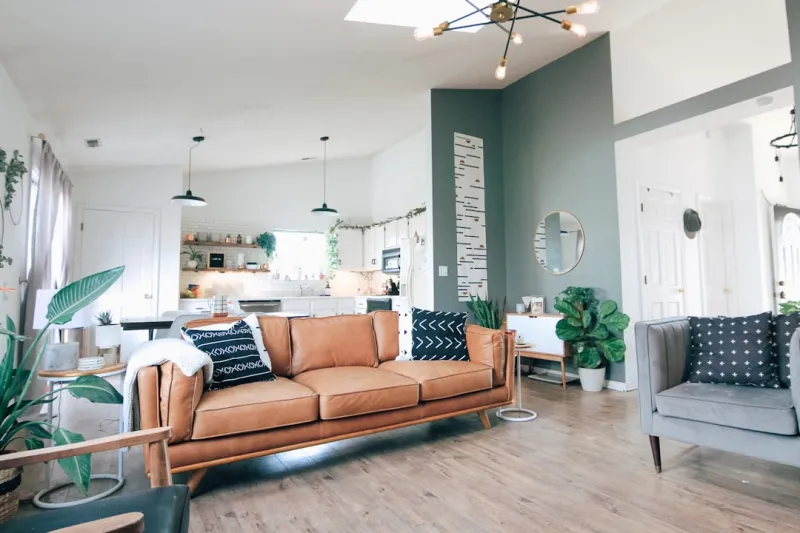
The Rise of Eco-Friendly Home Decor: Trends and Tips for a Sustainable Living Space
As we navigate the complexities of modern life, it's becoming increasingly clear that sustainable living is no longer just a trend, but a necessity. One area where this shift is particularly evident is in home decor. Gone are the days of fast furniture and disposable decor; instead, homeowners are seeking out eco-friendly options that not only reduce their environmental footprint but also promote a healthier living space. In this article, we'll explore the latest trends and tips for creating a sustainable living space that's both stylish and environmentally conscious.
The home decor industry has long been guilty of contributing to waste and pollution, with the production and disposal of furniture and decor items having a significant impact on the environment. However, with the rise of sustainable living, there's a growing demand for eco-friendly home decor options. The future of industrial products is undoubtedly linked to sustainable living, and the home decor industry is no exception. By choosing eco-friendly materials, repurposing old items, and adopting sustainable practices, homeowners can create a living space that's not only beautiful but also environmentally responsible.
Trendy Eco-Friendly Materials
One of the most significant trends in eco-friendly home decor is the use of sustainable materials. Bamboo, reclaimed wood, and low-VOC paints are just a few examples of the many eco-friendly options available. These materials not only reduce waste and minimize environmental impact but also add a unique touch to any room. For example, bamboo is a highly renewable resource that's incredibly durable and versatile, making it perfect for flooring, furniture, and decor. Reclaimed wood, on the other hand, adds a touch of history and character to any room while reducing the demand for new, resource-intensive materials.
In addition to sustainable materials, there's also a growing trend towards upcycling and repurposing old items. This approach not only reduces waste but also adds a touch of creativity and personality to any room. For example, an old pallet can be transformed into a coffee table or headboard, while an vintage window can become a unique mirror or room divider. By getting creative with old items, homeowners can create a truly one-of-a-kind living space that's both eco-friendly and stylish.
Simple Swaps for a Sustainable Living Space
Making the switch to a sustainable living space doesn't have to be overwhelming. There are many simple swaps that homeowners can make to reduce their environmental footprint. For example, switching to energy-efficient light bulbs, using eco-friendly cleaning products, and choosing sustainable textiles like organic cotton or hemp can all make a big impact. Additionally, homeowners can also consider investing in smart home devices that help monitor and control energy usage.
Another simple swap is to choose eco-friendly home decor items, such as sustainable candles or plant-based rugs. These items not only reduce waste and minimize environmental impact but also promote a healthier living space. For example, sustainable candles are made from natural wax and essential oils, which are free from toxic chemicals and pollutants. By making these simple swaps, homeowners can create a living space that's both eco-friendly and stylish.
The Benefits of Sustainable Home Decor
So, why should homeowners prioritize sustainable home decor? The benefits are numerous. For one, sustainable home decor reduces waste and minimizes environmental impact. This not only helps to preserve natural resources but also reduces pollution and supports a healthier planet. Additionally, sustainable home decor can also promote a healthier living space by reducing exposure to toxic chemicals and pollutants. This is particularly important for homeowners who suffer from allergies or sensitivities.
Sustainable home decor can also have a positive impact on mental health. By creating a living space that's both beautiful and eco-friendly, homeowners can feel a sense of pride and satisfaction. This can lead to reduced stress levels and improved overall well-being. Furthermore, sustainable home decor can also increase the value of a property, making it a smart investment for homeowners.
Getting Started with Sustainable Home Decor
So, where do homeowners start when it comes to creating a sustainable living space? The first step is to assess your current space and identify areas for improvement. This might involve taking stock of your furniture and decor, evaluating your energy usage, and considering your cleaning products. From there, homeowners can start making simple swaps and changes to create a more eco-friendly living space.
One of the best ways to get started is to seek out inspiration and guidance from sustainable living experts. The future of home appliances is undoubtedly linked to sustainable living, and homeowners can learn a lot from the latest trends and innovations. By staying informed and connected, homeowners can create a living space that's not only eco-friendly but also stylish and functional.
Conclusion
The rise of eco-friendly home decor is a trend that's here to stay. As homeowners become increasingly aware of the importance of sustainable living, there's a growing demand for eco-friendly options that promote a healthier living space. By choosing sustainable materials, repurposing old items, and adopting eco-friendly practices, homeowners can create a living space that's both stylish and environmentally conscious. Whether you're just starting out or looking to make a few simple swaps, there's never been a better time to join the sustainable living movement.
As we look to the future, it's clear that sustainable living will play an increasingly important role in shaping our homes and communities. By prioritizing eco-friendly home decor, homeowners can not only reduce their environmental footprint but also promote a healthier living space. So, what are you waiting for? Start making the switch to sustainable home decor today and join the movement towards a more eco-friendly future.

David Moore is a freelance writer specializing in two dynamic and ever-evolving fields: gambling and the tech industry. With a keen eye for detail and a knack for unraveling complex topics, David delivers insightful and engaging content that keeps readers informed and entertained.
Related Posts

Curating Your Own Gallery Wall: A Storytelling Approach to Home Décor
Discover the step‑by‑step process to design a curated gallery wall that reflects your personal j... Read More
Ideas for Wall Clocks: Timeless Aesthetic to Your Home Decor
In the intricate tapestry of home decor, certain elements transcend mere utility to become pivotal s... Read More
Sensory‑Rich Home Decor: Touch, Sound, and Scent Transform Your Space
Discover the rise of sensory‑rich home decor, where texture, sound, and scent work together to cre... Read More
Top Posts
Weaving the Perfect SaaS Tool Stack: From Data Mesh to Contextual UI
Discover a three‑layer framework for turning a chaotic stack of SaaS tools into a seamless, data‑driven tapestry that improves onboarding, cuts costs, and e...Read More

Managed WordPress Hosting: The Enterprise Growth Engine You’ve Been Overlooking
Managed WordPress hosting isn’t just a technical service—it’s a strategic growth engine. Learn how performance, security, developer experience, and AI‑r...Read More

Cultivating Connection: How Seniors Thrive in the Digital Age
Explore how seniors can harness digital tools to build vibrant communities, stay fit with micro‑movement snacks, and share stories across generations—all wh...Read More

Edge-First Browsing: Decentralized CDNs Redefine the Internet
Edge‑first browsing moves compute and caching closer to users, cutting latency and strengthening security. This post explains why decentralized CDNs are the i...Read More
0 Comments
Post Comment
You will need to Login or Register to comment on this post!