
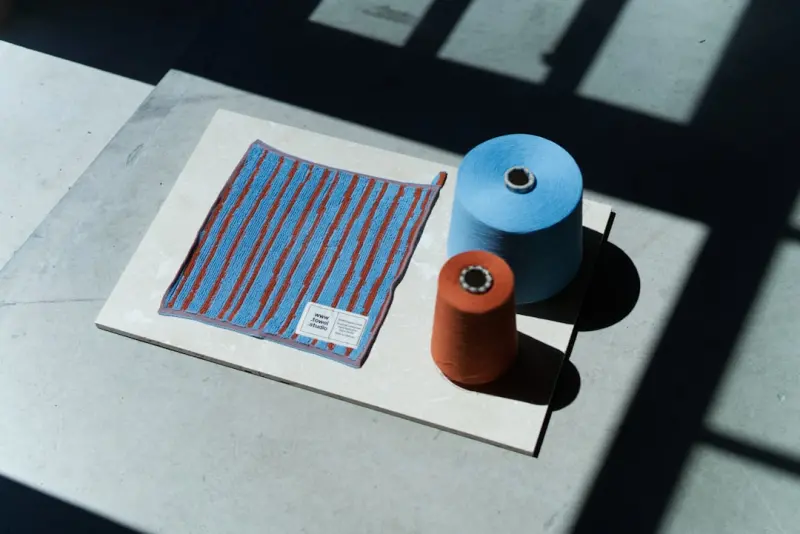
When I first moved into my modest studio apartment, the walls felt like an echo chamber—bare, echoing, and frankly, a little intimidating. I quickly learned that the secret to turning a box of four walls into a sanctuary isn’t about splurging on a new couch or painting every surface a daring hue. It’s about the quiet, intentional dance of texture, color, and personal story that you layer over the space. Think of it as curating a living collage where each textile, throw, and pillow contributes a verse to the room’s narrative.
The Magic of Layered Textiles
Layered textiles are the unsung heroes of home decor. They’re flexible, affordable, and—most importantly—adaptable. By strategically mixing fabrics, you can instantly shift the mood of a room without the permanence of paint or the commitment of a full‑scale remodel.
Why they work is simple: our brains associate softness and pattern with comfort and warmth. When you introduce a plush rug underfoot, a woven wall hanging above, and a cascade of patterned cushions on a sleek sofa, you’re feeding the senses a harmonious symphony that says, “You belong here.”
Start With a Base: The Foundation Fabric
Every great composition begins with a foundation. In interior design, this is usually your largest textile piece—a rug, a set of curtains, or an upholstered sofa. Choose a neutral base that complements the room’s natural light and existing architecture. Be mindful of the undertones—a warm ivory works beautifully in sun‑lit spaces, while a cool greige can anchor a room that leans toward modern minimalism.
Once your base is set, the rest of the layering process becomes a playful experiment rather than a daunting task.
Choosing Complementary Patterns
Pattern mixing can feel intimidating, but it follows a few simple rules:
- Scale contrast: Pair a bold, oversized geometric rug with delicate, small‑scale florals on cushions.
- Color harmony: Anchor your palette with two or three core colors and let patterns repeat these hues.
- Theme unity: Even disparate patterns can coexist if they share a visual element—think similar line work or shared motifs like leaves or stripes.
For example, I paired a navy‑blue ikat rug with ivory linen curtains and a set of mustard‑yellow woven baskets. The ikat’s bold lines created visual interest, while the softer linen and natural baskets softened the overall vibe.
Texture Tactics: From Velvet to Jute
Beyond visual appeal, texture adds tactile depth. A velvet throw invites you to sink your fingers into its plushness, while a jute rug grounds the space with an organic, earthy feel. Mixing materials like silk, cotton, wool, and raw hemp creates a layered experience that feels curated, not chaotic.
Here’s a quick cheat sheet for texture pairing:
- Silk + Wool: Pair a silk pillow cover with a chunky wool blanket for an elegant contrast.
- Linen + Leather: A linen sofa with leather ottoman cushions adds a modern, sophisticated vibe.
- Cotton + Rattan: Cotton throws draped over a rattan armchair bring coastal breeziness.
Seasonal Swaps: Keeping the Space Fresh
One of the joys of layered textiles is the ease of seasonal updates. Swap out a light‑weight cotton throw for a heavy knit blanket in autumn, or replace a pastel cushion cover with a richer burgundy hue for winter. Because the core pieces remain, you maintain continuity while still feeling the seasonal shift.
Practical Tips for Small Spaces
When square footage is limited, every textile must earn its place. Here are strategies that keep the room airy while still feeling cozy:
- Vertical layers: Hang a macramé wall hanging or a series of woven panels to draw the eye upward, creating an illusion of height.
- Multi‑functional pieces: A storage ottoman upholstered in a patterned fabric provides seating, storage, and a pop of color.
- Layered rugs: Place a small, patterned rug atop a larger, neutral jute rug. This adds interest without overwhelming the floor.
Speaking of multifunctionality, I was reminded of an article on multifunctional beauty rituals. Just as a single product can serve multiple purposes in a fast‑paced routine, a well‑chosen textile can serve both aesthetic and functional roles in a compact home.
Storytelling Through Textiles
Every fabric carries a story—whether it’s a hand‑woven throw from a trip to Morocco, a family heirloom quilt, or a locally sourced linen napkin set. Incorporating these narrative pieces turns a room from a generic backdrop into a personal gallery. When guests ask, “Where did you get that?” you have an instant conversation starter that deepens the connection to your space.
The Unexpected Tech Inspiration
You might wonder why a home‑decor post references a tech‑focused blog, but inspiration often comes from the most unlikely places. I recently read digital community building and realized that the principles of fostering connection online can translate to the physical realm. Just as online platforms layer content to keep users engaged, layering textiles creates a tangible, immersive environment that invites people to linger.
Similarly, TikTok’s secret sauce—short, impactful bursts of visual content—mirrored the idea of using bold, eye‑catching accents (like a vibrant cushion or a striking wall tapestry) to capture attention quickly before the eye explores the deeper layers of the room.
Balancing Boldness and Calm
It’s easy to go overboard when you’re excited about new textures. To keep the space from feeling chaotic, follow the 60‑30‑10 rule—60% neutral base, 30% secondary color, and 10% accent. This framework applies to both color and pattern, ensuring that the room remains cohesive while still showcasing your personality.
Maintenance Matters
Layered textiles can be high‑maintenance if not cared for properly. Here are a few tips:
- Rotate regularly: Switch cushion covers and throws every few weeks to prevent wear in high‑traffic areas.
- Follow care labels: Many natural fibers like wool and silk require gentle washing or professional cleaning.
- Spot‑clean promptly: Attend to spills immediately to avoid stains setting into fibers.
Final Thoughts: Your Home as a Living Canvas
At its core, home decor is an ongoing conversation between you and your environment. Layered textiles give you the vocabulary to express comfort, style, and story without shouting. By thoughtfully selecting base fabrics, mixing patterns, and embracing texture, you transform even the tiniest apartment into a curated retreat that feels both lived‑in and loved.
So next time you’re strolling through a market or scrolling online, remember: every swatch you pick up is a potential brushstroke on the canvas of your home. Play, experiment, and most importantly—let your space whisper the chapters of your life.

Armed with a degree in English Literature, Jill’s journey into the digital space wasn't just a career move; it was a natural extension of her lifelong love affair with storytelling. While some writers view search engine optimization (SEO) as a rigid constraint, Jill sees it as a creative puzzle. She understands the delicate art of balancing the algorithmic demands of search engines with the human desire for resonance, emotion, and value. To Jill, keywords aren't just targets to hit; they are the breadcrumbs that lead eager readers straight to the answers they’ve been searching for.
Related Posts

Illuminating the Holidays: A Professional Analysis of Traditional Christmas LEDs vs. Contemporary Lighting
The transformation of a space with light is one of the most powerful acts of the holiday season. It ... Read More
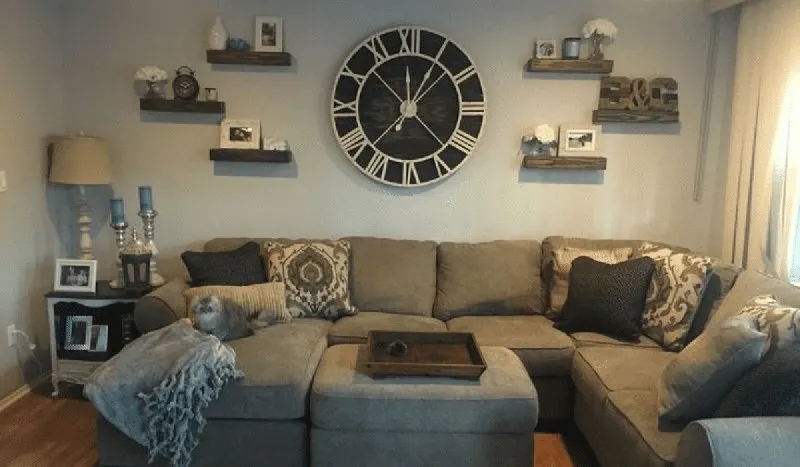
Ideas for Wall Clocks: Timeless Aesthetic to Your Home Decor
In the intricate tapestry of home decor, certain elements transcend mere utility to become pivotal s... Read More

Curating Your Own Gallery Wall: A Storytelling Approach to Home Décor
Discover the step‑by‑step process to design a curated gallery wall that reflects your personal j... Read More
Top Posts

The Definitive Guide to Selecting the Best Kids' Tablets: Balancing Education, Entertainment, and Durability
A kids' tablet, when chosen correctly, transcends the role of a simple content consumption device. It becomes a portable learning laboratory—a tool that foste...Read More

Empathy Meets Automation: Rewriting the Rules of B2B Marketing
A fresh look at B2B marketing shows that combining human empathy with automated workflows creates deeper connections, higher conversion rates, and stronger bran...Read More

Beyond the Box: Crafting Meaningful Gifts for the Modern Professional
Discover a fresh framework for corporate gifting that blends personal relevance, sustainability, and experiential extensions, turning simple presents into power...Read More

Beena Aquarium Decorations and Fish Food
The gentle hum of an aquarium, the graceful dance of colorful fish, and the serene beauty of an underwater landscape offer a unique blend of tranquility and vib...Read More
0 Comments
Post Comment
You will need to Login or Register to comment on this post!