
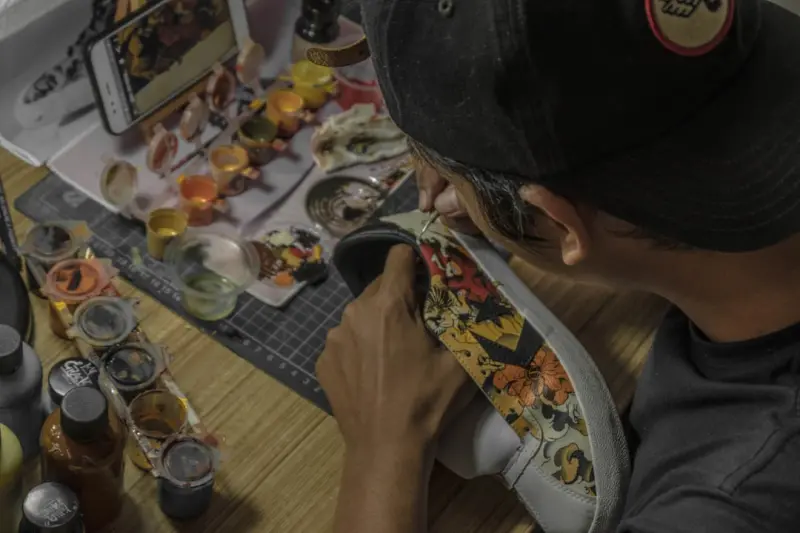
Why I Started Customizing My Sneakers (And You Should Too)
Ever since I slipped on my first pair of canvas sneakers, I’ve felt a personal connection to the way a shoe can tell a story about the wearer, and that feeling only deepened when I realized most sneakers are churned out in massive factories without a whisper of individuality. I began to wonder how many pairs in my closet were truly my shoes versus generic products stamped with a brand logo, and the answer was painfully obvious: far too many. Customizing sneakers became my quiet rebellion against a one‑size‑fits‑all market, and the process turned into a therapeutic ritual that blends creativity, sustainability, and a dash of entrepreneurial spirit.
The Hidden Cost of Mass‑Produced Footwear
While glossy advertisements promise comfort and style, the reality behind the glossy veneer includes a staggering carbon footprint, water waste, and endless landfill contributions that most consumers never see. A single pair of conventional sneakers can require up to 1,200 liters of water and generate dozens of kilograms of waste, meaning each purchase is a tiny environmental gamble that adds up across billions of shoes sold each year. By choosing to customize, I’m not only reducing my personal waste but also challenging the industry to rethink its production model.
The DIY Blueprint: Three Core Steps to Sustainable Sneaker Design
My approach to sneaker customization rests on three pillars—concept, material, and transformation—each designed to keep the process simple yet profoundly impactful. First, I sketch a concept that reflects my mood and the story I want to wear; second, I hunt for eco‑friendly materials that match that vision; third, I apply hands‑on techniques to bring the design to life, ensuring every stitch, dye, and finish respects the planet. Below is a quick reference that guides you through each stage:
- Concept: Mood board, color palette, and narrative.
- Material: Recycled rubber, organic cotton, plant‑based leather.
- Transformation: Hand‑stitching, eco‑dyeing, heat‑press molding.
Finding Inspiration: From Mood Boards to Digital Sketches
The spark for any custom pair begins with a visual story, and I love pulling images from travel magazines, street art, and even vintage postcards to build a collage that feels uniquely me. Once the mood board is assembled, I translate those ideas into a digital sketch using free design tools that let me experiment with placement, texture, and proportion without committing a single thread. For those who wonder how this creative process can also boost visibility, consider reading how micro‑influencers reshape shoe trends—the same storytelling techniques apply directly to footwear.
Sourcing Ethical Materials Without Breaking the Bank
Finding sustainable components for sneakers used to feel like a scavenger hunt, but today a growing marketplace offers recycled rubber outsoles, organic cotton uppers, and plant‑based “leather” made from pineapple leaves or mushroom mycelium, all at surprisingly affordable prices. I prioritize suppliers who provide transparent certifications, ensuring that the yarns are GOTS‑approved and the rubber comes from post‑consumer waste streams, which guarantees that each material aligns with my environmental standards. Below is a shortlist of go‑to resources that consistently deliver quality and ethical provenance:
- Recycled rubber outsoles – EcoStep Supplies
- Organic cotton canvas – PureThread Co.
- Vegan leather alternatives – MycoWear
Hands‑On Transformation: Techniques That Make Your Shoes Stand Out
With the design locked and the materials ready, the real magic happens in the workshop, where I blend traditional craftsmanship with modern, low‑impact methods to turn a plain pair into a wearable piece of art. Hand‑stitching using recycled thread adds durability while creating subtle texture, and eco‑dyes derived from natural pigments give color without harmful chemicals; I also use a heat‑press to embed patterned rubber inserts that boost grip and visual interest. Each step is an intentional act of care, turning a simple shoe into a conversation starter that invites curiosity about its origins.
Sharing Your Creations: Building Community and Brand Relationships
Once a pair is finished, I showcase it on Instagram and niche fashion forums, pairing high‑quality photos with the story behind every stitch, because narrative sells as much as aesthetics in the footwear world. By engaging with followers through comments and DMs, I’ve cultivated a micro‑community that not only appreciates the art but also spreads the word, creating a ripple effect that mirrors the principles discussed in relationship marketing for fashion brands. This two‑way dialogue turns a single custom sneaker into a catalyst for larger conversations about sustainability and personal expression.
Turning Passion into Profit: The Side‑Hustle Potential of Custom Sneakers
What started as a personal hobby quickly evolved into a modest side‑business, where I sell limited‑edition drops to friends, local boutiques, and online collectors who value exclusivity and ethical production. The financial model is lean: material costs are low, the markup reflects the craftsmanship, and the limited‑run nature creates scarcity that drives demand without the need for massive inventory. Moreover, the exposure from micro‑influencer collaborations often translates into pre‑orders, turning each custom pair into a stepping stone toward a scalable, purpose‑driven brand.
Take the First Step: Your Custom Sneaker Journey Awaits
If you’ve ever stared at a pair of shoes and felt they were missing a piece of your personality, now is the perfect moment to claim that missing piece through DIY customization. Start small—grab an old pair, sketch a quick design, source a single recycled material, and watch the transformation unfold; the satisfaction of wearing something you truly created is unmatched. Remember, each custom sneaker not only amplifies your style but also whispers a promise to the planet: fashion can be bold, beautiful, and responsibly made.

Jessica Gills is a freelance writer carving a niche for herself by empowering others through her words. With a focus on careers, self-development, and business, she helps readers navigate the complexities of the modern professional landscape.
Related Posts
The Intersection of Fashion and Technology: How Online Shopping is Revolutionizing the Industry
The world of fashion is undergoing a significant transformation, driven by advances in technology. O... Read More
When Sneakers Meet Sustainability: The New Frontier of Conscious Kicks
A deep dive into the rising trend of sustainable sneakers, covering innovative materials, circular s... Read More
When Heritage Meets the Street: Reimagining Footwear Through Artisan Collaboration
A deep dive into the emerging synergy between traditional cobbler workshops and urban street‑wear ... Read More
Top Posts

Are Free VPNs Worth It? Top Advantages You Need to Know
The use of Virtual Private Networks (VPNs) has skyrocketed in recent years due to the growing concern for online privacy and security. VPNs encrypt your interne...Read More

Navigating Mental Wellness in a Hyperconnected World
Learn how micro‑breaks, nature, authentic conversation, and a balanced toolbox can restore mental equilibrium in today’s nonstop digital environment....Read More

The 11 Best Personal Finance Software to Get Your Money Swag On
Managing personal finances in the modern era is less about tracking receipts in a shoebox and more about leveraging sophisticated technology. The sheer number o...Read More

How to Make Sure End-to-End Encrypted RCS Messaging Is Enabled on Your iPhone
Learn how to verify that end-to-end encrypted RCS messaging is active on your iPhone. This guide ensures your conversations remain private and secure across all...Read More
0 Comments
Post Comment
You will need to Login or Register to comment on this post!