
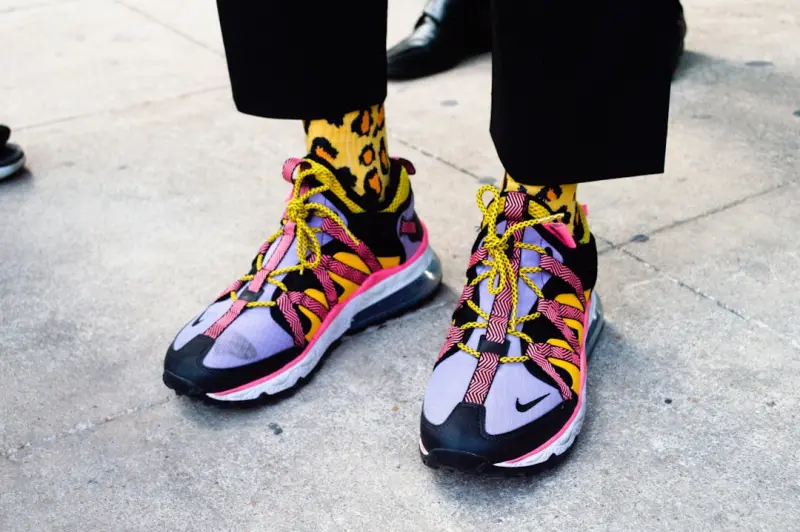
When Heritage Meets the Street: Reimagining Footwear Through Artisan Collaboration
There’s a subtle magic that happens when the time‑honored techniques of a cobbler’s workshop intersect with the kinetic energy of urban culture. It’s not just about putting a fresh silhouette on a classic sole; it’s about weaving narratives, honoring lineage, and giving sneakers a soul that can’t be mass‑produced in a sterile factory line. In an age where consumers crave authenticity, the convergence of artisan craftsmanship and street‑wear aesthetics is reshaping the entire footwear landscape.
Why the Old‑School Workshop Is the New Playground
For decades, the fashion industry has leaned heavily on quick turnarounds, trend‑chasing, and the relentless push for lower price points. While that model has its merits, it also breeds a sense of disposability. Today’s shoppers are asking deeper questions: Who made this?What story does this pair of shoes carry? The answers lie in the tactile, meticulous world of hand‑stitched leather, hand‑carved soles, and the quiet pride of a maker who has honed his skill across generations.
These workshops are becoming incubators for experimental design. By inviting street‑wear designers to sit at the same workbench, the result is a hybrid product that feels both timeless and immediate. The collaboration breathes new life into heritage techniques—like Goodyear welt construction or hand‑tanned vegetable leather—while infusing them with the bold colors, unexpected textures, and daring silhouettes that dominate city sidewalks.
Case Study: The Rise of Collaborative Sneaker Labs
Consider the surge of “sneaker labs” sprouting in cities like Milan, Tokyo, and Los Angeles. These spaces function as pop‑up factories where established shoe artisans partner with emerging designers, musicians, and even graffiti artists. The process is transparent: visitors can watch the cutting of leather, the shaping of midsoles, and the final stitching—all while the guest designer offers input on color palettes and embellishments.
The result? Limited‑edition drops that sell out in minutes, not because of hype alone, but because each pair tells a story that buyers can own. A sneaker might feature a hand‑painted mural inspired by a local subway line, or incorporate a reclaimed leather strap from a historic theater seat. The narrative is as much a part of the product as the rubber sole.
Design Philosophy: Function Meets Folklore
When heritage meets the street, functionality doesn’t take a backseat. In fact, many of these collaborations prioritize comfort and durability, drawing on the same principles that kept a cobbler’s shop thriving for centuries. Think of:
- Layered cushioning that respects the foot’s natural movement, using materials like cork or natural latex instead of synthetic foam.
- Adjustable lacing systems that reference vintage hiking boots, giving wearers the ability to customize fit throughout the day.
- Water‑resistant finishes achieved through natural oils and waxes, echoing the methods used to protect leather before the advent of synthetic sprays.
These features appeal not only to fashion enthusiasts but also to those who value longevity—a stark contrast to the disposable sneaker culture that dominates fast fashion.
From the Runway to the Sidewalk: Marketing the Narrative
Storytelling in fashion has never been more crucial, and the integration of artisan heritage provides a ready-made script. Brands are leveraging video diaries that follow a shoe’s journey from raw hide to finished product, allowing customers to witness every stitch. Social platforms become galleries for these stories, with short clips highlighting the sensory experience of a shoe being hand‑polished or a designer sketching a pattern beside a master cobbler.
Moreover, the exclusivity of limited drops fuels a sense of community. Early adopters receive a “maker’s certificate” that details the artisans involved, the origin of the materials, and even a QR code linking to a short interview with the craftspeople. This transparent approach builds trust and turns each purchase into a shared cultural moment.
Supply Chain Implications: A Return to Localized Production
By anchoring production in local workshops, brands reduce reliance on sprawling overseas supply chains. This shift not only cuts carbon footprints but also mitigates risks associated with geopolitical tensions or pandemic‑related disruptions. While the scale may be smaller, the impact per unit is amplified through higher margins and stronger brand loyalty.
To support this localized model, many companies are investing in strategic infrastructure that streamlines inventory management, order tracking, and custom engraving requests. These digital tools enable artisans to focus on the hands‑on work while ensuring that the back‑end logistics remain efficient and scalable.
Material Innovation Without the Buzzwords
The conversation around new materials often gets tangled in jargon—“bio‑fabricated,” “upcycled,” “nano‑coated.” In the realm of heritage collaborations, the focus returns to material integrity:
- Vegetable‑tanned leather: A process that uses plant extracts, resulting in a supple yet robust hide that ages beautifully.
- Natural rubber sourced from sustainably managed orchards, offering resilience without the petrochemical baggage.
- Reclaimed textile panels from vintage garments, adding layers of history to each pair.
These choices resonate with consumers who value transparency over hype. By highlighting the provenance of each component, brands sidestep the “green‑washing” trap that plagues many sustainability claims.
Community Building: Workshops as Cultural Hubs
Many artisan studios are opening their doors to the public, hosting workshops where sneaker enthusiasts can learn to repair their own shoes or even design a custom strap. These events turn passive buyers into active participants, fostering a community that rallies around the shared love of craftsmanship.
Beyond the workshop floor, brands are partnering with local art schools, offering scholarships to students who demonstrate a passion for both design and traditional techniques. This investment not only nurtures future talent but also ensures the continuity of the craft for generations to come.
Future Outlook: The Fusion of Physical and Digital Storytelling
While the heart of these collaborations beats in the physical world, the digital realm amplifies their reach. Augmented reality filters let consumers visualize how a limited‑edition sneaker would look on their foot, while blockchain‑based certificates guarantee authenticity and traceability.
Yet, the core remains unchanged: a dedication to creating footwear that tells a story, honors its makers, and serves the wearer with purpose. As the lines between street style and heritage blur, the footwear industry is poised to usher in an era where every pair is both a fashion statement and a piece of living history.
Closing Thoughts
The intersection of artisan heritage and street‑wear creativity is more than a fleeting trend—it’s a response to a cultural shift toward authenticity, durability, and narrative depth. By championing collaborations that respect time‑tested techniques while embracing bold, contemporary aesthetics, the fashion world can craft shoes that not only look good but also feel right.
For anyone watching the evolution of fashion from the sidelines, the message is clear: the future of footwear lies in the hands of those who can balance the old with the new, the functional with the artistic, and the local with the global.

Jim Pearse, a seasoned freelance writer, brings a wealth of knowledge and passion to the world of home and garden. From the intricacies of landscaping to the nuances of interior design, Jim delves into every aspect of creating comfortable, beautiful, and functional living spaces.
Related Posts

The Quiet Revolution: How Sustainable Craft is Redefining Shoes and Accessories
A deep dive into the emerging blend of heritage craftsmanship and technology that’s turning shoes ... Read More
The Evolution of Jacket Styles: A Fashion Timeline
Explore the fascinating history of outerwear in our deep dive into the evolution of jacket styles. F... Read More

From Runway to Real Life: Curating a Capsule Wardrobe with Statement Footwear
Discover a fresh approach to fashion by curating a capsule wardrobe where bold shoes become the foca... Read More
Top Posts

Smart Industrial Products: Turning Data Into Real‑World Advantage
Industrial products are evolving from static hardware to intelligent, data‑driven systems. Learn how predictive maintenance, digital twins, modular design, an...Read More

Beyond Keywords: Human‑Centric Strategies to Elevate Your SEM Game
Explore innovative, human‑centric SEM approaches that go beyond traditional keyword tactics, unlocking higher ROI and lasting competitive advantage....Read More

The Quiet Revolution: Predictive, Modular, and Subscription‑Driven Industrial Products
Industrial equipment is evolving from reactive, monolithic assets to predictive, modular, and subscription‑based ecosystems, boosting uptime, cutting costs, a...Read More

The K-Pop Demon Hunters Trend: Deconstructing a Digital Folklore Phenomenon
In the sprawling, hyper-connected ecosystem of K-Pop fandom, trends are born and evolve at a velocity that often defies mainstream comprehension. One of the mos...Read More
0 Comments
Post Comment
You will need to Login or Register to comment on this post!