
Why Brands Need a Sensory Blueprint in the Age of Remote Experiences
When I first stepped into a conference hall and the room smelled faintly of citrus, my mind instantly associated that aroma with the speaker’s promise of “fresh ideas.” It was a subtle cue, but it stuck. In today’s increasingly virtual world, we’ve lost a lot of those physical touchpoints—yet the brain still craves them. This is why forward‑thinking B2B SaaS companies are re‑imagining branding as a sensory blueprint that can be felt, heard, and even imagined, no matter where a prospect is logging in from.
The Hidden Layers of a Brand’s Sensory Identity
Most brand guidelines stop at color hex codes and typography. That’s a solid foundation, but it’s only the surface. Beneath that lies a layered ecosystem of sound, scent, texture, and even rhythm. Think of a brand as a piece of music: the bass line (core values) provides depth, the melody (visual identity) catches the ear, and the percussion (tone of voice) keeps the tempo. When these elements are aligned, they create a cohesive sensory experience that resonates long after the first interaction.
How Remote Work Amplifies the Need for Sensory Consistency
Remote work has fragmented the traditional “brand office” into countless home offices, coffee shops, and co‑working spaces. Each environment comes with its own ambient noises, lighting, and even background scents. If your brand only speaks in visual language, those external variables can drown out your message. By designing a brand that anticipates and complements those environments—through a consistent voice, a curated playlist, or a signature digital “scent” (think subtle animation patterns)—you reclaim control over the experience.
Practical Steps to Build a Multi‑Sensory Brand Framework
- Define the Core Sensory Pillars. Identify which senses best reflect your brand personality. For a SaaS focused on security, a low‑frequency hum or a “steady pulse” in UI animations can convey reliability.
- Translate Values into Audio. Create a short sound logo or a set of UI chimes that echo your brand’s tone. Even a gentle notification sound can become a recognisable brand signature.
- Curate a Visual‑Auditory Pairing. Pair color palettes with specific music genres or ambient soundscapes. This pairing helps users form stronger neural associations.
- Leverage AI-driven branding insights to test sensory impact. AI can analyze user interaction data to tell you which sound or motion triggers higher engagement.
- Document the Sensory Guidelines. Extend your brand book to include audio waveforms, scent descriptors (if you ship physical swag), and tactile recommendations for digital touchpoints.
AI‑Powered Testing: From Guesswork to Data‑Driven Sensory Design
One of the biggest challenges in multi‑sensory branding is measuring impact. Traditional A/B testing only captures clicks and conversions. By integrating AI tools that analyze eye‑tracking, mouse‑movement heatmaps, and even voice sentiment during webinars, you can quantify how a subtle sound cue or a micro‑animation influences perception. These insights let you iterate quickly, ensuring every sensory element actually moves the needle rather than merely adding flair.
Case Study: Turning a “Cold” SaaS Into a Warm, Trustworthy Companion
A mid‑size analytics platform struggled with churn because customers described the product as “clinical” and “unapproachable.” The branding team introduced three sensory upgrades: a warm amber color scheme, a soft piano chord that plays on successful data import, and a “heartbeat” animation on the dashboard loading screen. Within two quarters, Net Promoter Score rose by 12 points and churn dropped by 8%. The success wasn’t magic; it was the result of aligning visual, auditory, and kinetic cues with the brand promise of “human‑first analytics.”
Embedding Sensory Consistency Across All Touchpoints
Once you’ve defined your sensory framework, the real work begins: ensuring it lives everywhere—email newsletters, product onboarding videos, support chat bots, and even the design of your physical merch. A practical way to achieve this is to treat each touchpoint as a “chapter” in a larger brand story, using the same sensory motifs as connective tissue. For example, the same piano chord that celebrates a data import could become a subtle “ding” in email notifications, reinforcing the brand’s comforting rhythm.
Future‑Proofing Your Brand for an Immersive Landscape
Emerging technologies like AR, VR, and even haptic feedback will soon become mainstream channels for B2B interactions. Brands that have already mapped their sensory DNA will find it easier to translate those cues into immersive experiences—imagine a virtual trade show booth that not only looks like your brand but also emits a recognizable scent or a tactile vibration when a demo is successful. By starting now, you’ll be ready to plug those new modalities into a well‑established sensory architecture, turning future tech into brand advantage rather than a learning curve.
Wrapping Up: The Brand Is No Longer Just Seen, It’s Felt
Branding has always been about perception, but perception is multi‑dimensional. In a world where physical boundaries blur, the brands that survive will be the ones that can be experienced across sight, sound, and even imagined touch. By building a sensory blueprint, leveraging AI for precise measurement, and embedding consistency across every interaction, you transform a static logo into a living, breathing presence that follows your customers wherever they work.

Jessica Gills is a freelance writer carving a niche for herself by empowering others through her words. With a focus on careers, self-development, and business, she helps readers navigate the complexities of the modern professional landscape.
Related Posts

The Sprint Mindset: Redefining Modern Branding for Speed and Impact
Learn how applying a sprint mindset to branding can boost speed, relevance, and community engagement... Read More
Branding Like a Rebel: Melanie Wilson’s Playbook for 2024
Melanie Wilson reveals how to brand with rebellion in 2024—mix authentic storytelling, sustainable... Read More

The Intersection of Branding and Mental Health: A Growing Concern
The intersection of branding and mental health is a growing concern. Learn how companies can build m... Read More
Top Posts
Phone‑First Productivity: Turning Your Pocket Device into a Strategic Ally
Discover practical micro‑habits, AI‑powered camera tricks, and automation strategies that let you use your smartphone as a strategic ally, boosting producti...Read More

Top Gaming Keyboards and Mice to Take Your Game to the Next Level
The world of gaming has evolved significantly over the years, with advancements in technology and innovation leading to a more immersive and engaging experience...Read More
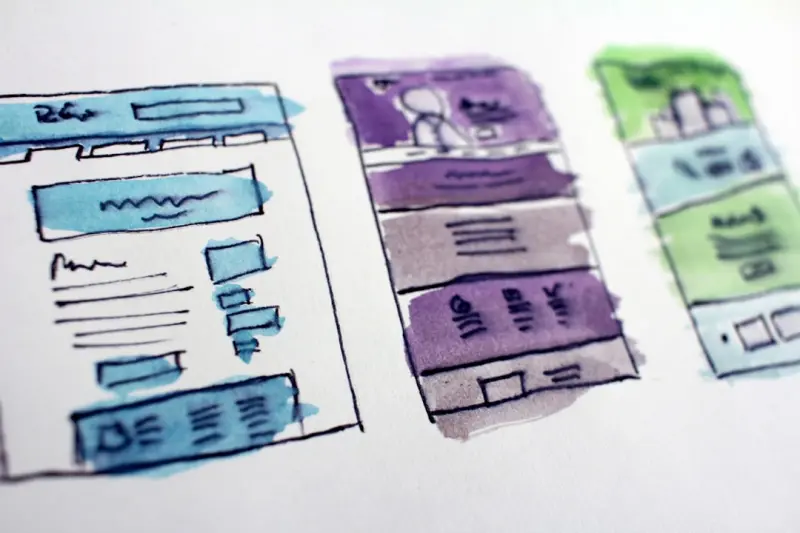
Designing On‑Page SEO for Conversational Search
A deep dive into structuring content, schema, and technical foundations for voice‑first search, showing how conversational SEO can drive higher rankings, rich...Read More

How to Use Facebook Graph Search to Know Your Audience
In the ever-evolving landscape of digital marketing, understanding your audience isn't just a best practice – it's the heartbeat of any successful strategy. T...Read More
0 Comments
Post Comment
You will need to Login or Register to comment on this post!