
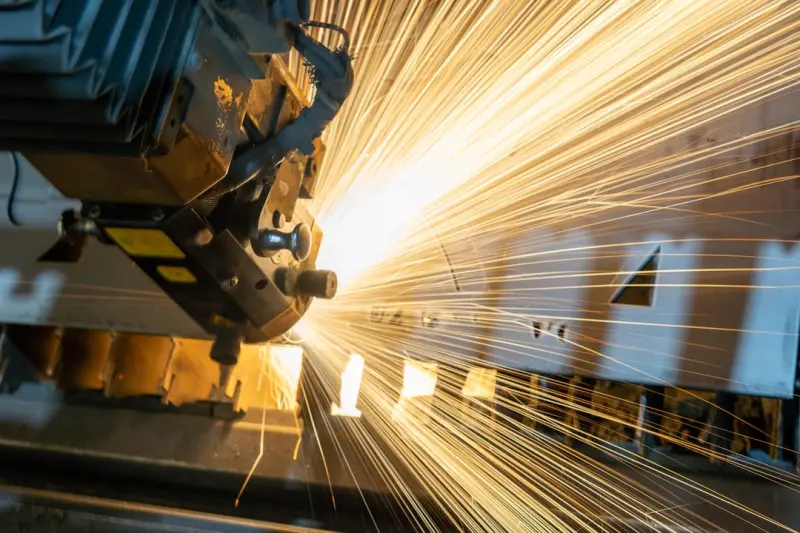
Industrial equipment has always been about brute force and raw reliability, but a quieter, data‑driven revolution is reshaping the way factories think about uptime, cost, and sustainability. I’ve spent the last decade walking the floor of sprawling plants, listening to the hum of conveyors, and watching engineers wrestle with the age‑old dilemma: how to keep the line moving without sacrificing safety or draining the budget. Today, that dilemma is being solved with a blend of predictive analytics, modular design, and a subscription mindset that feels more at home in SaaS than in steel‑stamped manuals.
From Reactive Repairs to Predictive Maintenance
The classic industrial playbook is simple: a machine breaks, a technician is called, a part is swapped, and the line is back online—if you’re lucky. This reactive approach, while familiar, is costly. Unplanned downtime can eat up 20‑40% of a plant’s annual profit margin, according to the latest industry benchmarks. What’s changing the game is the ability to anticipate failures before they happen.
Sensor suites are now embedded directly into motors, gearboxes, and even the smallest bearings. These sensors stream vibration, temperature, and acoustic data to cloud‑based platforms that run machine‑learning models tuned to detect the faintest anomaly. When the system spots a deviation from the norm, it triggers a maintenance ticket—often hours before a technician would have noticed a problem on the shop floor.
But raw data alone isn’t enough. The real value emerges when that data is contextualized within the broader operational ecosystem. That’s where AI safety frameworks for industrial IoT become essential. By embedding robust validation, explainability, and compliance checks into the analytics pipeline, manufacturers can trust the insights enough to schedule maintenance without fearing false positives that could stall production.
Modular Design: Turning Customization Into a Plug‑and‑Play Experience
Historically, customizing a piece of equipment meant a costly, time‑consuming engineering project. Today, modularity is the new lingua franca of industrial design. Think of a conveyor system not as a monolithic line but as a collection of interchangeable modules—each with its own power, control, and diagnostic interface. When a plant needs to scale up, it simply adds more modules; when a process changes, it swaps out a segment rather than re‑engineering the entire line.
This modular mindset dovetails perfectly with the subscription economy. Companies are now offering equipment-as-a-service (EaaS) packages that bundle hardware, software, and ongoing upgrades into a predictable monthly fee. The model mirrors what we see in the automotive world, where subscription‑based models in industrial equipment are gaining traction. Instead of a massive upfront CAPEX, manufacturers can allocate OPEX, preserve cash flow, and stay agile as technology evolves.
Beyond financial flexibility, modularity also drives sustainability. When a single component reaches the end of its life, it can be recycled or upgraded without discarding the entire system. This reduces waste, lowers the carbon footprint, and aligns with the growing pressure from regulators and investors for greener operations.
The Human Element: Upskilling the Workforce for a Digital Factory
All the sensors, algorithms, and modular hardware in the world won’t deliver results if the people operating the equipment aren’t comfortable with the new tools. The shift toward predictive maintenance and EaaS demands a workforce that can interpret data dashboards, understand the basics of machine learning, and collaborate with remote support teams.
Training programs are evolving from traditional, lecture‑based formats to immersive, hands‑on experiences. Virtual reality (VR) simulations let technicians practice diagnosing faults in a risk‑free environment. Augmented reality (AR) headsets overlay real‑time sensor readings onto the physical machine, guiding the user step‑by‑step through corrective actions. The result is a faster, more confident response to issues, reducing mean time to repair (MTTR) dramatically.
Supply Chain Transparency Through Digital Twins
One of the most powerful, yet under‑utilized, concepts in modern industrial strategy is the digital twin—a virtual replica of a physical asset that mirrors its performance in real time. By synchronizing the twin with live sensor data, manufacturers gain a sandbox where they can test process changes, predict wear patterns, and even simulate supply chain disruptions before they happen.
When a component supplier faces a delay, the digital twin can instantly model the downstream impact on production, allowing planners to re‑route orders or adjust inventory buffers proactively. This level of foresight was unimaginable a decade ago and is becoming a cornerstone of resilient, “smart” factories.
Data Governance: The Bedrock of Trustworthy Insights
With great data comes great responsibility. As industrial plants collect terabytes of operational data daily, establishing clear governance policies is non‑negotiable. Data ownership, access controls, and retention schedules must be defined early to avoid silos and ensure compliance with standards like ISO 27001 and IEC 62443.
Effective governance also fuels better collaboration across departments. When the maintenance team, the production manager, and the finance office all speak the same data language, they can jointly optimize schedules, budgets, and performance metrics—turning isolated improvements into holistic gains.
Cybersecurity: Guarding the New Digital Frontier
The rise of connected industrial devices expands the attack surface for malicious actors. A compromised sensor could feed false data into the predictive maintenance platform, leading to unnecessary shutdowns or, worse, unaddressed failures. Implementing a layered security approach—network segmentation, zero‑trust authentication, and regular firmware updates—is essential.
Moreover, integrating security into the design phase, often referred to as “security by design,” ensures that protection mechanisms are not an afterthought but a foundational element of every module and software component.
Case Study: A Mid‑Size Manufacturer’s Journey to Predictive Excellence
Consider the story of a mid‑size metal‑forming company that once struggled with frequent line stoppages. The firm began by retrofitting its most critical machines with vibration sensors and partnered with a cloud analytics provider. Within six months, the predictive model flagged a bearing wear trend that would have caused a catastrophic failure.
Simultaneously, the company adopted a modular conveyor system from a vendor that offered equipment‑as‑a‑service. Instead of purchasing a new line outright, they subscribed to a package that included hardware, software updates, and a service SLA. This shift freed up capital for R&D, allowing the firm to experiment with new alloy formulations without worrying about capacity constraints.
The results were striking: a 30% reduction in unplanned downtime, a 15% increase in overall equipment effectiveness (OEE), and a 20% reduction in maintenance costs. The success story has become a template for other manufacturers in the region, illustrating how data, modularity, and flexible financing can converge to deliver tangible ROI.
Future Outlook: Edge Computing and Autonomous Operations
Looking ahead, the next wave of industrial transformation will be powered by edge computing. By processing data locally—on the machine itself—latency drops dramatically, enabling real‑time control loops that can autonomously adjust parameters like motor speed or temperature without waiting for cloud round‑trips.
Combined with advanced AI models, these edge nodes will evolve into “smart agents” capable of making split‑second decisions, further blurring the line between human oversight and machine autonomy. The promise is a factory that self‑optimizes, self‑heals, and continuously improves without constant human intervention.
Key Takeaways
- Predictive maintenance shifts the focus from fixing failures to preventing them, saving time and money.
- Modular design and equipment‑as‑a‑service provide financial flexibility and sustainability benefits.
- Workforce upskilling is essential to bridge the gap between traditional operations and digital tools.
- Digital twins unlock supply chain transparency and proactive planning.
- Data governance and cybersecurity are non‑negotiable foundations for trustworthy, resilient operations.
- Edge computing will enable autonomous, real‑time decision making on the factory floor.
Industrial products are no longer static, monolithic assets. They are dynamic, data‑rich ecosystems that, when orchestrated thoughtfully, can deliver unprecedented efficiency, agility, and sustainability. The challenge—and opportunity—lies in embracing this new paradigm with both technology and people at the heart of the transformation.

In the world of freelance writing, where creativity and adaptability are paramount, Michelle Fisher stands out as a dedicated and versatile professional. With a passion for crafting compelling narratives and a keen eye for detail, Michelle has established herself as a trusted voice.
Related Posts
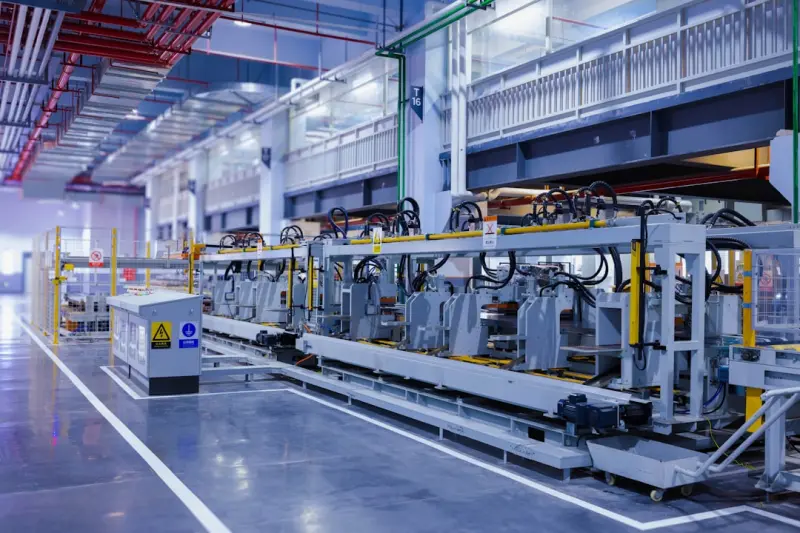
Smart Industrial Products: Turning Data Into Real‑World Advantage
Industrial products are evolving from static hardware to intelligent, data‑driven systems. Learn h... Read More

Circular Design: Turning Waste Into Competitive Advantage in Industrial Products
Discover practical strategies for embedding circular design into industrial products—from modular ... Read More

Why Smart Edge Sensors Are Redefining Heavy Industry
Smart edge sensors are turning factories into responsive, data‑driven ecosystems, delivering realâ... Read More
Top Posts

The Future of Social Media Marketing: How Sustainable Living Influences Digital Strategy
The intersection of social media marketing and sustainable living is a critical topic that requires our attention. Learn how to prioritize sustainable living pr...Read More

Turn Your Living Room into a Curated Gallery: A Fresh Take on Home Decor
Learn to turn everyday spaces into curated galleries using statement pieces, smart lighting, modular displays, and seasonal rotations for a home that feels like...Read More

Reskilling and Upskilling: Your Indispensable Guide to Career Resilience in a Changing World
In a rapidly evolving job market, reskilling and upskilling are crucial for career resilience. This article, penned by Robert Mathews, provides an essential gui...Read More

Privacy‑First SEO: Winning in a Cookieless Landscape
In a world where third‑party cookies are fading, SEO must pivot from tracking users to understanding intent. This post outlines how to harness first‑party d...Read More
0 Comments
Post Comment
You will need to Login or Register to comment on this post!