
Why Smart Sensors and Edge AI Are Becoming the New Backbone of Modern Industrial Operations
When I first stepped onto a bustling factory floor a decade ago, the hum of massive motors and the clatter of conveyor belts were the soundtrack of productivity. Today, that same floor is alive with a different kind of whisper—tiny, data‑rich signals bouncing between sensors, edge devices, and cloud platforms. As someone who has spent years bridging the gap between heavy‑industry engineering and the fast‑moving world of SaaS, I’ve seen how smart sensors and edge AI are redefining what “industrial products” actually mean.
The Evolution From Mechanical to Digital
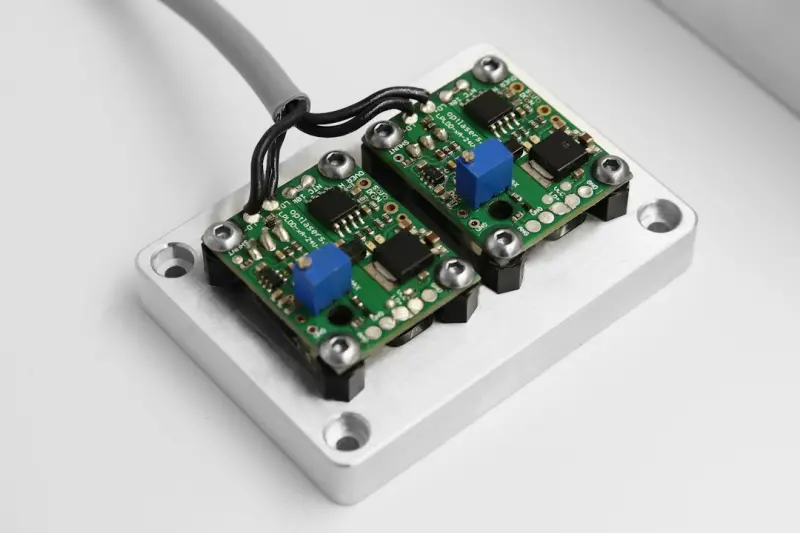
Industrial equipment has always been about robustness and reliability. Historically, manufacturers relied on scheduled maintenance, manual inspections, and the intuition of seasoned technicians. Those practices, while effective in their time, left a massive amount of latent data untapped. The rise of the Internet of Things (IoT) has turned every bolt, bearing, and motor into a potential data source. By embedding low‑power, wireless sensors onto critical components, factories can now capture temperature, vibration, pressure, and even acoustic signatures in real time.
This data, however, is only as valuable as the insights you can extract from it. That’s where edge AI steps in. Instead of shoveling raw streams into a distant data center for processing—a method that introduces latency and bandwidth costs—edge devices run lightweight machine‑learning models right where the data is generated. The result? Immediate, actionable intelligence.
Real‑World Benefits: From Downtime to Decision‑Making
Below are the three most compelling outcomes I’ve observed when smart sensors and edge AI join forces on the factory floor:
- Predictive Maintenance: By continuously monitoring vibration patterns, AI models can forecast bearing failures weeks in advance, allowing teams to replace parts during scheduled downtime instead of facing costly, unplanned shutdowns.
- Energy Optimization: Sensors track power draw at the motor level. Edge AI then identifies inefficiencies—like a pump running at sub‑optimal speed—and automatically adjusts set points, trimming energy waste without human intervention.
- Enhanced Safety: Real‑time detection of hazardous conditions—such as gas leaks or abnormal pressure spikes—triggers instant alerts and can even initiate emergency shutdowns, protecting workers and equipment alike.
Integrating Edge AI with Existing SaaS Platforms
Many manufacturers wonder how to stitch edge intelligence into their existing software ecosystems. The answer lies in adopting a Multi‑Cloud Hosting Benefits approach. By leveraging multiple cloud providers, companies gain flexibility in where and how edge data is aggregated, processed, and visualized. This redundancy not only bolsters resilience but also ensures compliance with regional data‑sovereignty regulations—a growing concern for global supply chains.
Moreover, the rise of AI‑Powered Decision Intelligence platforms means that the insights derived at the edge can be seamlessly fed into enterprise resource planning (ERP) systems, digital twins, and analytics dashboards. The result is a unified view where operational decisions are informed by both macro‑level trends and micro‑level sensor data.
Building a Sustainable Industrial Future
Sustainability isn’t just a buzzword—it’s an economic imperative. Smart sensors help manufacturers meet carbon‑reduction targets in three ways:
- Reduced Waste: Predictive maintenance minimizes scrap and the need for over‑stocked spare parts.
- Optimized Resource Use: Real‑time energy monitoring leads to smarter load balancing and lower overall consumption.
- Extended Equipment Lifespan: By preventing catastrophic failures, equipment lasts longer, decreasing the frequency of manufacturing new parts.
When you combine these efficiencies with transparent reporting, you can showcase measurable ESG (Environmental, Social, Governance) improvements to stakeholders, investors, and customers alike.
Overcoming Common Barriers
Implementing a sensor‑driven, edge‑AI strategy isn’t without challenges. Here are the hurdles I’ve helped clients navigate:
- Data Silos: Legacy systems often operate in isolation. The key is establishing a robust data ingestion layer that normalizes sensor outputs across diverse equipment.
- Skill Gaps: Traditional maintenance teams may lack data‑science expertise. Investing in cross‑functional training programs bridges this divide and empowers operators to act on AI recommendations.
- Security Concerns: Edge devices expand the attack surface. Implementing zero‑trust networking, regular firmware updates, and encrypted communications mitigates risk.
Getting Started: A Pragmatic Roadmap
If you’re ready to explore smart sensors and edge AI for your operations, consider this phased approach:
- Pilot Selection: Identify a high‑impact asset—like a critical compressor or a high‑energy motor—to pilot sensor deployment.
- Data Collection: Install vibration, temperature, and power sensors. Ensure data is streamed to an edge gateway capable of running lightweight AI models.
- Model Development: Work with data scientists to train anomaly‑detection algorithms on historical data from the selected asset.
- Edge Deployment: Deploy the trained model on the gateway. Test alert accuracy, latency, and integration with existing SCADA or ERP systems.
- Scale & Optimize: Roll out the solution across similar asset classes, refine models based on feedback, and integrate insights into broader business processes.
This incremental methodology reduces risk, demonstrates quick ROI, and builds internal confidence for larger‑scale adoption.
Case Study Spotlight: A Mid‑Size Metal Fabricator
One of my recent collaborations involved a mid‑size metal fabricator struggling with frequent CNC machine downtimes. By outfitting each machine with accelerometers and temperature probes, and deploying edge AI models that recognized early signs of spindle wear, the plant achieved:
- 30% reduction in unexpected machine stoppages.
- 15% cut in energy consumption through dynamic speed adjustments.
- Improved on‑time delivery rates, boosting customer satisfaction scores.
The success story illustrates how even modest sensor investments can unlock outsized operational gains.
Future Trends to Watch
Looking ahead, I see three emerging trends that will further amplify the impact of smart sensors and edge AI in industrial settings:
- Digital Twins at the Edge: Real‑time replica models of physical equipment running on edge devices will enable simulation‑driven optimization without needing to send massive datasets to the cloud.
- Collaborative Robotics (Cobots) Integrated with Sensor Meshes: Cobots will leverage nearby sensor data to adapt their movements on the fly, improving safety and efficiency in shared workspaces.
- AI‑Driven Supply Chain Visibility: Edge data from factories will feed upstream logistics platforms, allowing suppliers to anticipate production bottlenecks and adjust material flows proactively.
Embracing these developments early positions manufacturers to stay ahead of the competitive curve and to meet the ever‑tightening demands of a digital‑first marketplace.
Final Thoughts
Industrial products are no longer just steel, hydraulics, and gears. They’re now data‑rich, software‑enabled systems that can think, learn, and adapt at the edge. By marrying smart sensors with edge AI, manufacturers unlock a new era of predictive insight, operational agility, and sustainable growth. The journey requires thoughtful planning, cross‑functional collaboration, and a willingness to experiment, but the payoff—a resilient, future‑ready operation—makes it a compelling path forward.

Amanda is a passionate writer exploring a kaleidoscope of topics from lifestyle to travel and everything in between.
Related Posts

Smart Sensors, Modular Pods, and Circular Design: The New Blueprint for Industrial Products
A deep dive into three transformative trends—edge‑enabled smart sensors, modular automation plat... Read More
Industrial Innovation: Modular Robotics, Sustainable Alloys, IoT Maintenance, and Circular Supply Chains
Jessica Gills dives into the latest industrial trends—modular robots, bio‑based alloys, smart Io... Read More

How To Choose A Geomembrane Liner & How To Find A Supplier
Geomembrane liners are resistant liners that used for various different containment applications. Th... Read More
Top Posts

Dedicated Hosting: The Creative’s Secret Weapon for Speed, Security, and Scale
Dedicated hosting transforms a creator’s workflow with blazing speed, rock‑solid security, and effortless scalability—learn how to upgrade your digital st...Read More

Human‑Centric Security: Turning People into the First Line of Defense
Discover why human behavior is the weakest link in security and how to transform your team and personal habits into a robust, proactive defense system....Read More

Playful Learning in the Age of AI: Intelligent Toys Transform Childhood
Intelligent toys are merging adaptive AI, human‑centric design, and eco‑friendly materials to create personalized learning experiences that bridge generatio...Read More

A Comprehensive Guide to Reducing or Disabling AI Features on Samsung Galaxy Phones
The modern Samsung Galaxy experience, powered by the extensive One UI ecosystem, has become synonymous with Artificial Intelligence (AI). From the proactive rec...Read More
0 Comments
Post Comment
You will need to Login or Register to comment on this post!