
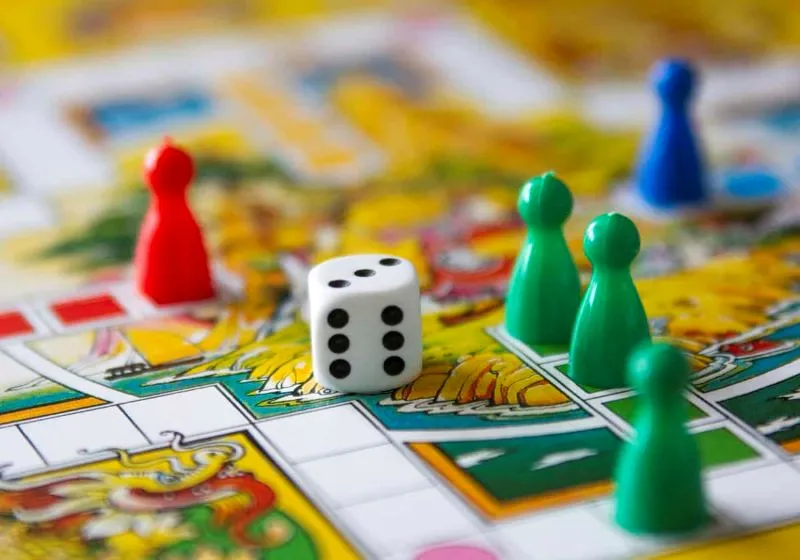
In a dominated internet age by digital entertainment, board games remain a timeless vehicle for fostering connection, creativity, and shared joy among families. Whether gathered around a coffee table or in a cozy living room, board games offer an opportunity to disconnect from screens and engage in meaningful interactions. For families seeking activities that balance fun with cognitive development, social skills, and competitive spirit, the right board game can be transformative. This article explores a curated list of the best family board games, categorized into distinct types to suit diverse interests and age groups, ensuring every member of the family can participate and thrive.
Strategic Thinking and Tactical Play
For families who enjoy games that challenge the mind and encourage critical thinking, strategy-based board games are an excellent choice. These games often blend planning, adaptability, and problem-solving, allowing players to collaborate or compete in a structured yet imaginative environment.
Catan (Ages 10+; 3–4 players)
Catan is a resource-management game that simulates the development of a small island. Players collect resources, trade with others, and strategically build settlements and cities. Its combination of negotiation, risk assessment, and long-term planning makes it ideal for teaching older children and adults about economics and decision-making. The game’s modular board ensures each session feels unique, fostering replayability.Ticket to Ride (Ages 8+; 2–5 players)
In Ticket to Ride, players collect train car cards to claim routes on a map, aiming to complete destination tickets. The game is accessible for younger players while offering enough depth to engage older gamers. Its simple rules and emphasis on route planning make it a fantastic introduction to strategic thinking for children aged 8 and up.Catan Junior (Ages 4+; 2–4 players)
Designed for younger audiences, Catan Junior simplifies the original game’s mechanics into a colorful, bite-sized experience. Players collect animal tokens to build cities and roads, learning the basics of resource management and spatial planning in an approachable format.
Cooperative Challenges: Working Together to Win
Cooperative games shift the focus from competition to collaboration, encouraging families to solve shared problems and celebrate collective victories. These games are particularly effective in promoting teamwork, communication, and emotional resilience.
Forbidden Island (Ages 8+; 2–4 players)
Inspired by the classic Jungle Speed, Forbidden Island tasks players with retrieving treasures from a sinking island by solving puzzles, managing actions, and using wind currents to raise water levels. Each player’s unique role—such as the Diver or the Navigator—highlights the importance of leveraging individual strengths for a common goal.Outfoxed! (Ages 5+; 2–4 players)
A cooperative whodunit game, Outfoxed! challenges players to deduce which of four foxes stole the prized jewel. Combining elements of deductive reasoning and physical dexterity (via a spinning wheel that moves the foxes), the game introduces younger children to logical thinking in a playful, engaging format.Pandemic (Ages 8+; 2–4 players)
In Pandemic, players work as a team to contain global outbreaks by researching cures for four different diseases. The game’s emphasis on strategy, communication, and adaptability offers a nuanced simulation of real-world challenges, making it a rewarding experience for older children and adults alike.
Party-Style Entertainment: Laughter and Lighthearted Fun
Not every family game needs to be intellectually taxing. Party games are designed to spark laughter, improvisation, and camaraderie, making them perfect for casual gatherings or rainy days.
Codenames: Kids (Ages 6+; 2+ players)
A simplified version of the popular Codenames, this game revolves around creative word association. One player, the "spymaster," gives one-word clues to their team, who must guess the corresponding words on the board. The game’s lighthearted nature and focus on language skills make it a hit with younger children and adults.Werewolf (Mafia) (Ages 8+; 6+ players)
A timeless social deduction game, Werewolf requires players to deduce who among them are the hidden werewolves seeking to eliminate the village. With no need for a board or pieces, this game thrives on storytelling, bluffing, and critical listening. It’s particularly effective in fostering social skills and public speaking confidence in older children.Dixit (Ages 8+; 3–6 players)
Dixit blends storytelling and imagination, with players interpreting surreal artwork through cryptic clues. The game’s open-ended nature encourages creativity and emotional expression, making it a versatile choice for families who enjoy artistic and introspective play.
Educational Adventures: Learning Through Play
Board games can also serve as powerful tools for learning, reinforcing concepts in science, math, language, and critical thinking. These games make education engaging, transforming academic subjects into collaborative adventures.
Sequence for Kids (Ages 5+; 2–4 players)
This game introduces young children to sequence creation and pattern recognition by combining elements of card games and strategy. Players use a 3x3 board and playing cards to build sequences, reinforcing early math and critical thinking skills.Guess Who? (Ages 6+; 2 players)
A classic deduction game, Guess Who? sharpens analytical thinking and questioning skills. Each player asks yes/no questions to eliminate suspects and deduce their opponent’s character, making it an excellent introduction to logic and inference.Out of the Park Baseball (Ages 10+; 2+ players)
For families interested in blending sports with strategy, this baseball simulation game uses real-world statistics and decision-making to simulate the game. It’s a dynamic way to teach probability, teamwork, and the rules of baseball.
Timeless Classics: Nostalgia and Simplicity
Some games endure because of their universal appeal and simplicity. These classics provide a bridge between generations, offering familiar gameplay that continues to captivate new audiences.
Monopoly (Ages 8+; 2–8 players)
While traditionally lengthy, Monopoly remains a staple for its lessons in finance, negotiation, and patience. Its iconic real-estate trading mechanics have inspired modern variants like Monopoly: Express for faster gameplay.Scrabble (Ages 8+; 2–4 players)
A powerhouse for vocabulary and spelling, Scrabble challenges players to build words on a grid using letter tiles. Its adaptability—such as using a junior version for smaller children—makes it a lifelong learning tool.Candy Land (Ages 3+; 2–4 players)
A sweet and simple game for the youngest players, Candy Land teaches color recognition and turn-taking through a colorful, storybook journey.
Choosing the Right Game for Your Family
Selecting the best game depends on factors such as age ranges, player count, and the desired balance between strategy and fun. For mixed-age families, opt for games with adjustable difficulty or cooperative modes to ensure inclusivity. Always test a new game with a younger audience to assess engagement, and consider creating house rules to simplify complex mechanics.
Conclusion
Board games are more than mere entertainment; they are a conduit for connection, learning, and shared memories. Whether through the strategic depths of Ticket to Ride, the collaborative spirit of Forbidden Island, or the laughter-inducing chaos of Codenames: Kids, families can find a game that resonates with their unique dynamics. By thoughtfully selecting games that align with their interests and developmental stages, parents can transform ordinary evenings into moments of joy, creativity, and bonding. In doing so, they not only play but also lay the foundation for lifelong skills and cherished family traditions.

Miranda Murphy: Experienced freelance writer with a decade of storytelling expertise. Let's create something amazing together!
Related Posts

Top Gaming Keyboards and Mice to Take Your Game to the Next Level
The world of gaming has evolved significantly over the years, with advancements in technology and in... Read More

Leveling Up Life: How Gaming Shapes Our Everyday Mindset
Gaming isn’t just fun—it’s a hidden training ground for life skills. Learn how quests, analyti... Read More

When AI Becomes the Dungeon Master: Procedural Narratives in Modern Gaming
AI-driven procedural storytelling is redefining gaming, offering limitless, personalized narratives ... Read More
Top Posts

Nose Filler Glow Up Trend, Sculpt Your Profile Instantly
In the contemporary landscape of aesthetic medicine, the paradigm of facial rejuvenation has shifted from surgical finality to the art of subtle, non-invasive r...Read More

The Rise of Scams in the Digital Age: A Growing Concern for Safety
The digital age has brought about a surge in scams, posing a significant threat to individuals and businesses. Learn how to protect yourself from these scams an...Read More

Designing Your Daily Atmosphere: The Power of Scent, Light & Sound
Learn to shape your day by curating scents, lighting, and sound. Simple sensory tweaks create a personalized atmosphere that boosts mood, focus, and well‑bein...Read More

The Digital Therapeutics Revolution: How Apps Are Redefining Personal Health
Digital therapeutics are moving beyond simple wellness tools to become clinically validated, AI‑driven solutions that empower patients, integrate with traditi...Read More
0 Comments
Post Comment
You will need to Login or Register to comment on this post!