
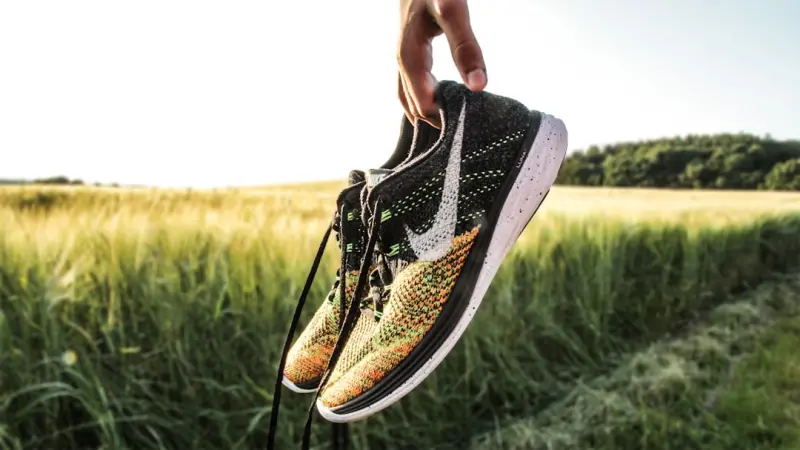
When Sneakers Meet Sustainability: The New Frontier of Conscious Kicks
Walking down the street these days feels like scrolling through an Instagram feed—every step is a statement, every silhouette a conversation starter. As someone who grew up with a sneaker collection that could rival a small boutique, I’ve watched the culture evolve from purely aesthetic to a nuanced dialogue about purpose, provenance, and planetary impact. The era of “buy more, wear less” is finally fading, replaced by a fresh, data‑driven mindset where the story behind the shoe matters as much as the shoe itself. In this post, I’ll unpack the forces reshaping the fashion, shoes & accessories landscape, explore how sustainability is no longer a niche add‑on but a core design pillar, and highlight the technologies that are turning the humble sneaker into a platform for social good.
The Rise of the Conscious Consumer
Consumers today are armed with more information than any previous generation. A quick scan of a product’s QR code can reveal everything from the carbon footprint of its raw materials to the labor standards of the factories that stitched it together. This transparency has given rise to a new breed of shopper—one who evaluates a pair of shoes not just on colorway, silhouette, or brand hype, but on lifecycle metrics such as water usage, waste generation, and end‑of‑life recyclability. Brands that ignore this shift risk being left in the dust, while those that embrace it can tap into a growing market segment that’s willing to pay a premium for authenticity.
Materials Matter: From Plastic Waste to Bio‑Based Fibers
One of the most tangible ways brands are answering the sustainability call is by rethinking the very fibers that make up a shoe. Traditional sneakers rely heavily on petroleum‑based foams, synthetic leathers, and virgin cotton—all of which carry hefty environmental costs. Innovative alternatives are now entering the mainstream: recycled ocean plastics transformed into sturdy uppers, mushroom‑based mycelium leather that biodegrades in months, and even algae‑derived foams that provide comparable cushioning while sequestering carbon during growth. The shift isn’t just about “greenwashing” with a single eco‑friendly component; it’s about redesigning the product from the ground up to minimize impact at every stage.
Designing for Circularity
Beyond material selection, the next frontier is circular design—creating shoes that are meant to be taken apart, refurbished, or fully recycled. Companies are launching take‑back programs that incentivize customers to return worn‑out pairs in exchange for discounts on future releases. The collected shoes are then disassembled, with each component sorted for reuse or upcycling. Some brands are even offering modular designs where the sole can be swapped out while the upper remains intact, extending the product’s lifespan dramatically. This approach not only reduces waste but also builds brand loyalty, as consumers feel they’re part of a larger ecosystem of responsible consumption.
Tech Meets Tread: Smart Sneakers for a Smarter Planet
While sustainability drives the material conversation, technology is redefining the functional narrative of footwear. Imagine a sneaker that tracks your carbon emissions based on the distance you walk and offers suggestions for greener routes, or one that uses embedded sensors to monitor the health of its own midsole foam, alerting you when it’s time for a replacement rather than a full discard. These smart features are no longer sci‑fi; they’re emerging from collaborations between footwear designers and AI developers. In fact, the same AI‑Powered Play mindset that’s revolutionizing toys is now being applied to footwear, turning shoes into data hubs that champion both performance and planet.
Supply Chain Transparency with Micro‑Automation
Achieving true sustainability requires visibility into every link of the supply chain, from raw material extraction to final delivery. Here’s where Micro‑Automation steps in. By automating data collection at each production node—using IoT sensors, blockchain ledgers, and AI‑driven analytics—brands can monitor emissions, waste, and labor conditions in real time. This granular insight enables rapid course corrections, such as rerouting shipments to lower‑emission carriers or adjusting manufacturing processes to reduce water usage. The result is a supply chain that’s not just efficient but also accountable, aligning operational excellence with ethical standards.
The Business Case: Profitability Meets Purpose
Many executives still ask, “Can sustainability be profitable?” The answer, increasingly, is a resounding yes. Brands that invest in eco‑friendly materials often discover cost savings through waste reduction, energy efficiency, and longer product lifecycles. Moreover, the premium pricing that sustainable sneakers can command—often 10‑30% higher than conventional counterparts—helps offset initial R&D expenses. Consumers are also more likely to become repeat buyers when they feel a brand reflects their values, driving lifetime customer value. In short, sustainability is transitioning from a cost center to a growth engine.
Community‑Driven Design: Crowdsourcing the Future of Footwear
Another emerging trend is the democratization of design through community involvement. Platforms now allow fans to submit material ideas, vote on color palettes, and even co‑create limited‑edition drops. This participatory approach not only fuels hype but also ensures that new releases resonate with the values of the target audience—especially when sustainability is a core criterion. When a community feels ownership over a product’s environmental credentials, they become ambassadors, amplifying the brand’s message organically across social channels.
Fashion Meets Function: The Rise of Multi‑Purpose Shoes
Consumers are gravitating toward versatility. A shoe that can transition from a morning jog to an office meeting, then to an evening social event, reduces the need for multiple pairs and aligns with minimalism trends. Multi‑purpose designs often incorporate removable or interchangeable components—think detachable insoles for added support or replaceable outer shells for style swaps. This adaptability not only extends the shoe’s useful life but also minimizes the environmental impact associated with producing and disposing of multiple specialized footwear items.
Beyond the Shoe: Accessories That Complete the Sustainable Loop
Footwear doesn’t exist in isolation; it’s part of a broader ecosystem that includes socks, laces, and care products. Brands are extending their sustainability commitments to these accessories by offering organic cotton socks, biodegradable laces, and plant‑based cleaning sprays. The holistic approach reinforces the narrative that every element of an outfit can be responsibly sourced, encouraging consumers to make greener choices across the board.
Future Outlook: What’s Next for Sustainable Sneakers?
Looking ahead, we can expect several key developments to shape the next wave of conscious footwear:
- Carbon‑Negative Manufacturing: Facilities powered entirely by renewable energy and employing carbon capture technologies to offset emissions.
- Closed‑Loop Materials: Materials that can be endlessly recycled without loss of performance, creating a true circular economy.
- AI‑Optimized Designs: Machine‑learning algorithms that predict the most sustainable material combos based on performance data and environmental impact.
- Consumer‑Driven Impact Scores: Transparent dashboards that let shoppers see the exact carbon reduction achieved by each purchase.
As these innovations converge, the sneaker will evolve from a fashion accessory into a catalyst for systemic change—bridging style, technology, and sustainability in ways we’re only beginning to imagine.
Conclusion: Walking the Talk
From recycled ocean plastics to AI‑enhanced circularity, the fashion, shoes & accessories space is undergoing a profound transformation. The modern consumer expects more than just aesthetic appeal; they demand authenticity, accountability, and impact. Brands that answer this call are not only safeguarding the planet but also unlocking new avenues for growth and loyalty. So the next time you lace up a pair of sneakers, ask yourself: What story does this shoe tell? If the answer includes reduced waste, transparent sourcing, and a commitment to future innovation, then you’re not just walking—you’re marching toward a more sustainable world.

David Moore is a freelance writer specializing in two dynamic and ever-evolving fields: gambling and the tech industry. With a keen eye for detail and a knack for unraveling complex topics, David delivers insightful and engaging content that keeps readers informed and entertained.
Related Posts

The Evolution of Eco-Friendly Fashion: How Sustainable Living is Revolutionizing the Industry
The fashion industry is undergoing a significant transformation, driven by the growing demand for su... Read More

The Modular Revolution: How Interchangeable Shoes and Accessories Are Redefining Fashion
Dale Peterson dives into the emerging modular fashion trend, revealing how snap‑fit shoes and mixâ... Read More

Sneaker Culture Meets Sustainable Luxury: A Fresh Look at Tomorrow’s Wardrobe
A deep dive into how sneaker culture, sustainable materials, and smart accessories are reshaping fas... Read More
Top Posts

Reimagining Education: From Passive Lessons to Living‑Lab Learning
Discover a holistic blueprint that transforms classrooms into living labs, empowering students, supporting teachers, and connecting learning to real‑world exp...Read More

5 Great Kitchen and Washroom Countertop Options
In the intricate tapestry of home design, few elements bear as much functional weight and aesthetic influence as countertops. Whether gracing the culinary comma...Read More

Digital Minimalism: Reduce E‑Waste, Boost SaaS Efficiency
This article explores how adopting digital minimalism—through audits, streamlined features, smarter data retention, and green procurement—can dramatically r...Read More

The Paws-itive Impact of Sustainable Living on Pet Care
Sustainable living has a profound impact on pet care, from reducing waste and promoting animal welfare to creating a healthier environment for our pets. Learn h...Read More
0 Comments
Post Comment
You will need to Login or Register to comment on this post!