
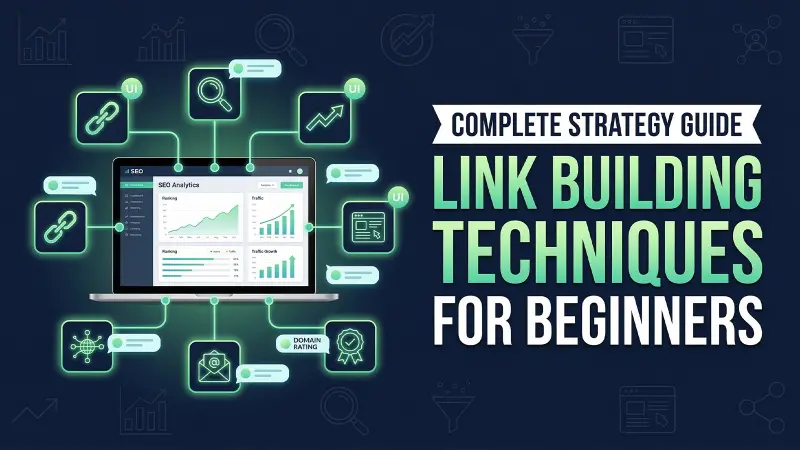
Rethinking Link Building as a Relationship Engine
For years the SEO community has equated link building with cold outreach and one‑off guest posts, but the most sustainable growth now comes from treating links as the by‑product of genuine relationships that deliver ongoing value to both parties, a mindset shift that forces us to look beyond vanity metrics and focus on trust capital. When you approach a potential link partner with a clear understanding of their audience, content cadence, and business objectives, the conversation moves from “Can you drop a link?” to “How can we co‑create something that our readers love and that naturally earns citations?” This perspective transforms each outreach effort into a collaborative project, and the resulting backlinks are not only stronger in authority but also more resilient to algorithmic volatility because they are rooted in real‑world relevance and mutual benefit.
From Guest Posts to Thought Leadership Columns
Guest posting still has a place, yet the most effective modern strategy is to aim for recurring thought‑leadership columns in niche publications where your expertise aligns perfectly with the editorial mission, a move that positions you as a go‑to authority and yields a steady stream of high‑quality backlinks over time. By investing time in crafting a compelling pitch that outlines a series of data‑rich articles, case studies, or industry forecasts, you demonstrate long‑term commitment, and editors respond with regular placement opportunities that amplify your brand visibility across their readership. This approach also allows you to weave internal references to your own cornerstone content, creating a natural link architecture that supports both the host site’s audience and your own SEO objectives.
Podcast Partnerships as Link Magnets
Audio content has exploded, and appearing as a guest on podcasts that serve your target market not only puts your voice in front of engaged listeners but also generates authoritative backlinks from show notes, transcript pages, and episode summaries, often with a domain authority that rivals top industry blogs. When you prepare a concise, data‑driven narrative that highlights actionable insights, hosts are eager to link back to the source material you reference, especially when you provide them with a ready‑made embed code or a downloadable PDF that enriches the episode’s value proposition. This synergy between spoken expertise and written reference creates a durable link asset that continues to attract traffic long after the episode has aired.
Publishing Original Research to Attract Earned Media
Original research, surveys, or benchmark reports serve as powerful link‑earning magnets because journalists, analysts, and marketers constantly hunt for fresh data to substantiate their stories, and when you supply a well‑designed, publicly accessible study, they naturally cite your findings with a backlink to the source file. The key is to frame your research around a clear, actionable question that addresses a pain point within your niche, then promote the results through targeted outreach to industry newsletters, trade publications, and relevant blogs, offering exclusive excerpts or visual assets that make the story instantly publishable. Each citation not only boosts your domain authority but also positions your brand as the definitive source for that data, encouraging further references and organic link growth.
Leveraging Community Events and Local Partnerships
Hosting or sponsoring local meetups, hackathons, or industry roundtables creates real‑world networking opportunities that translate into digital backlinks when partner organizations list the event on their calendars, press release sections, or community boards, a tactic that blends offline relationship building with online SEO benefits. By curating an agenda that includes panelists from complementary businesses and providing them with a speaker profile page on your site, you generate multiple inbound links as each participant promotes the event through their own channels, amplifying reach and creating a web of interconnected citations that reinforce local relevance. This hyper‑targeted approach not only boosts your link profile but also establishes your brand as a community pillar, fostering goodwill that can be leveraged for future collaborative content.
Interactive Tools and Calculators as Link Bait
Developing a niche‑specific calculator, assessment tool, or interactive widget offers immense link‑building potential because users love to embed or reference functional assets that add tangible value to their own content, leading to organic backlinks from blogs, forums, and social media discussions. When you design an interface that delivers personalized results—such as a ROI estimator, compliance checklist, or performance benchmark—you create a shareable experience that naturally prompts users to link back to the tool as the source of their findings, especially when you provide embeddable widgets or easy‑copy HTML snippets. Pairing the tool with a comprehensive guide that explains the methodology further encourages educators and industry analysts to cite both the tool and the accompanying documentation, creating a multi‑layered link ecosystem.
Syndicating Content Across Niche Platforms
Rather than relying solely on your own blog, repurposing high‑quality articles for publication on reputable niche platforms—such as industry‑specific Medium publications, LinkedIn newsletters, or sector‑focused forums—extends your reach and earns contextual backlinks from domains that already command trust within your target audience. The trick lies in tailoring each republished piece to the host’s style guide while preserving the core insights and linking back to the original, deeper dive on your site, a practice that satisfies both the host’s desire for unique content and your need for referral traffic. Over time, a network of syndicated posts builds a constellation of links that collectively boost your authority without triggering duplicate content penalties.
Measuring the ROI of Non‑Traditional Links
While traditional metrics like domain authority and referral traffic remain important, evaluating the true impact of unconventional link sources—such as podcast mentions, event listings, or interactive tool embeds—requires a more nuanced approach that tracks conversion pathways, brand lift, and long‑term referral stability, often using UTM parameters, custom landing pages, and attribution models that capture assisted conversions across the funnel. By setting up dedicated dashboards that correlate each link source with key performance indicators like lead quality, time‑on‑site, and downstream revenue, you gain visibility into which creative outreach tactics deliver the highest return on investment, allowing you to allocate resources toward the most lucrative relationship‑driven strategies. This data‑centric mindset transforms link building from a speculative activity into a measurable growth engine.
Actionable Checklist for Relationship‑Centric Link Building
To put this philosophy into practice, start by mapping out a list of potential partners—including podcasts, local organizations, and niche publications—then prioritize them based on audience overlap and domain authority, followed by crafting personalized outreach that proposes a mutually beneficial content collaboration, such as a joint research report or co‑hosted webinar, and finally, track each engagement with a simple spreadsheet that records outreach dates, agreed deliverables, and the resulting backlink URLs, ensuring you maintain momentum and can celebrate incremental wins. Remember that every high‑quality link begins with a genuine conversation, so invest time in learning about your partner’s goals, share resources that help them succeed, and watch as the natural citations flow back to your site, reinforcing both your SEO health and your brand reputation. For technical SEO enthusiasts, consider pairing these efforts with robust hosting solutions—learn more about high‑performance hosting—and explore how real‑time chat strategies can amplify the user experience on your newly created interactive tools.

Brad Hays is a freelance writer known for his versatile skill set and ability to craft compelling content across a wide range of industries.
Related Posts

Why Your SaaS Product Should Be the Source of Its Own Links
Why Your SaaS Product Should Be the Source of Its Own Links When I first cut my teeth on link buildi... Read More

Reimagining Link Building: From One‑Off Tactics to an Ongoing Relationship Engine
Learn how to shift from one‑off link tactics to a relationship‑driven strategy using discovery, ... Read More

Quiet Wins: Unconventional Link‑Building Strategies for SaaS Growth
Explore under‑used link‑building methods—data assets, podcast guest spots, co‑created conten... Read More
Top Posts

Beyond Keywords: Crafting On‑Page Experiences That Rank and Convert
Discover a fresh, intent‑driven approach to on‑page SEO that blends semantic HTML, structured data, and readability to improve rankings, user experience, an...Read More

Micro‑Experiences: The Tiny Moments Redefining Live Sports
Micro‑experiences deliver instant, interactive moments that boost fan engagement and open new revenue streams, reshaping the future of live sports....Read More

Reimagining Corporate Learning with Learning Cafés
Discover a fresh approach to workplace education: Learning Cafés blend informal conversation, data‑driven insights, and actionable outcomes to replace stale ...Read More

Why Your Home Office Needs a Furry Co‑Pilot: Boosting Productivity and Well‑Being
A pet at your home office isn’t a distraction—it’s a productivity ally. Learn how to create a pet‑friendly workspace, adopt habits that boost focus, and...Read More
0 Comments
Post Comment
You will need to Login or Register to comment on this post!