

Why Your Home Office Needs a Furry Co‑Pilot: Boosting Productivity and Well‑Being
When I first swapped my commuter‑packed cubicle for a quiet corner of my apartment, I thought the biggest challenge would be figuring out the right chair or the perfect lighting. What I didn’t anticipate was that my most valuable team member would walk on four paws, wag a tail, and instantly become the catalyst for a more balanced, creative, and surprisingly efficient workday.
Welcome to the world of the furry co‑pilot—the pet that sits beside your laptop, nudges your elbow when you’re stuck, and reminds you to breathe when the inbox is exploding. In this post I’ll share the science‑backed benefits, practical setups, and the subtle habits you can adopt to turn your pet into an ally rather than a distraction. Whether you have a cat, a dog, a rabbit, or even an enthusiastic ferret, the principles apply across species.
The Unseen ROI of Pet Presence
Businesses spend millions on wellness programs, ergonomics, and productivity tools. Yet, the most cost‑effective asset is often already at home. Research from the University of British Columbia found that office workers with dogs reported a 23% increase in job satisfaction and a 15% reduction in stress hormones after a 15‑minute walk. While those numbers come from a traditional office, the same physiological responses happen in a home office.
- Stress reduction: Petting a cat releases oxytocin, the “bonding hormone,” which can lower cortisol levels by up to 30%.
- Enhanced focus: Short, structured breaks to play with a pet reset attention spans, similar to the Pomodoro technique.
- Creative spark: The unpredictable antics of a curious animal can jolt the brain out of a rut, encouraging divergent thinking.
These benefits translate directly into measurable outcomes: fewer sick days, higher output, and a workplace culture that feels humane—even when the “office” is a kitchen table.
Designing a Pet‑Friendly Remote Workspace
Before you let Fluffy commandeer your desk, consider a few design tweaks that keep both you and your companion comfortable.
1. Create a Dedicated Pet Zone
Allocate a corner with a soft rug, a water bowl, and a favorite toy. This signals to your pet that this spot is theirs, reducing the temptation to climb onto your keyboard. A small pet bed under the desk can also serve as a cozy “office assistant” that watches over you without obstructing your view.
2. Invest in Noise‑Reducing Solutions
If you have a vocal pup or a chatty parrot, a pair of noise‑cancelling headphones can help you stay in the flow. Conversely, a white‑noise machine can soothe a nervous cat during video calls.
3. Keep Cables Out of Reach
Pets love to chew, and a frayed cord can be a fire hazard. Use cable organizers or protective tubing—think of it as micro‑automation tricks for safety, where a simple clip prevents a costly incident.
4. Ergonomic Adjustments for Shared Space
A standing desk can double as a perch for a curious cat. Just ensure the height is adjustable enough for you to work comfortably while the cat enjoys the view.
Building Productive Habits with Your Pet
Having a pet at your workstation isn’t a free‑for‑all. Structure is key. Below are daily rituals that turn a potential distraction into a productivity booster.
Morning Check‑In
Start the day with a 5‑minute walk or a brief play session. This mirrors the “daily stand‑up” in agile teams—aligning goals, clearing the mind, and setting the tone for focused work.
Scheduled “Pet Breaks”
Implement a 10‑minute break every two hours. Use a timer, and during that window, engage fully: toss a ball, brush a cat, or refill the water bowl. This practice is similar to the tiny sensory rituals that enhance wellbeing, just adapted for the pet‑human duo.
Focus Sessions with a Companion
When you need deep work, place your pet’s bed nearby. The mere presence of a calm animal can serve as a “soft reminder” to stay grounded. If your pet becomes restless, gently redirect them to a chew toy—maintaining the flow without losing momentum.
End‑of‑Day Debrief
Wrap up by reviewing your achievements and giving your pet a treat. This reinforces positive behavior for both parties and provides a natural transition from work mode to personal time.
Leveraging Pet Interactions for Mental Health
Remote work can blur the line between personal and professional, leading to burnout. Pets act as natural “emotional regulators.” When you feel the weight of a looming deadline, a quick pet cuddle can reset your nervous system, similar to a mindfulness exercise but with added serotonin spikes.
For those who experience anxiety during virtual meetings, consider keeping a small plush or a pet‑related object on camera. It humanizes you, creates a conversational icebreaker, and subtly signals that you value authenticity over perfection.
Pet‑Centric Tech: Tools That Strengthen the Bond
Technology isn’t just for humans. Smart pet devices can streamline care and enhance the workplace experience.
- Automated feeders: Schedule meals to align with your work blocks, ensuring your pet’s nutrition doesn’t interfere with critical meetings.
- Pet cameras with treat dispensers: Check on your furry friend during a long call and reward good behavior instantly.
- Activity trackers: Monitor your dog’s steps; a brief walk can be timed to coincide with a natural pause in your workflow.
Integrating these tools reduces the mental load of pet care, freeing you to focus on strategic tasks.
Case Study: From Chaos to Cohesion
When I first adopted Maya, a rescue cat with a penchant for keyboard gymnastics, my Zoom calls were a disaster. After a month of trial and error—protective keyboard covers, a designated “cat‑desk,” and structured playtimes—I noticed a remarkable shift. My average meeting length dropped by 12 minutes because I was less distracted, and my client satisfaction scores rose as I appeared more present.
Moreover, Maya’s playful bursts during brainstorming sessions sparked unexpected ideas. In one instance, her sudden leap onto a stack of sticky notes inspired a visual mind‑map that became the foundation for a new product feature. The lesson? When you treat your pet as a team member, their quirks can become assets.
Addressing Common Concerns
“Will my pet make me look unprofessional?” Not if you set clear boundaries. Keep your pet out of the frame during formal presentations, but allow brief appearances during informal discussions. A quick “hey, this is my co‑pilot” introduction can actually boost relatability.
“What about allergies or pet hair?” A high‑efficiency HEPA filter and regular grooming keep the environment clean. Consider hypoallergenic breeds if sensitivities are a concern.
“My pet is hyperactive—how can I stay focused?” Channel that energy into short, scheduled play bursts. The key is consistency: the more predictable the routine, the less likely your pet will interrupt at inopportune moments.
Future Trends: Pets and the Remote Workforce
The pet‑friendly office is no longer a novelty; it’s becoming a strategic advantage. Companies are now exploring pet‑inclusive policies, such as pet‑care stipends, virtual pet‑friendly meet‑ups, and even pet‑focused wellness webinars. As remote work solidifies its place in the modern economy, expect a surge in tools that blend pet care with productivity—think AI‑driven pet mood detection that nudges you to take a break when your companion shows signs of stress.
Imagine an AI assistant that monitors your calendar and suggests a walk when your dog’s activity tracker indicates low movement, aligning health goals for both human and animal. The convergence of pet tech and workplace productivity promises a future where the line between “personal” and “professional” care blurs in the most harmonious way.
Takeaway Checklist
- Designate a pet zone with comforts and boundaries.
- Incorporate scheduled “pet breaks” to reset focus.
- Use smart pet devices to automate care tasks.
- Leverage pet interactions for stress relief and creativity.
- Maintain professionalism by setting visual boundaries during meetings.
- Continuously iterate your setup as your pet’s needs evolve.
By treating your pet as an integral part of your remote work ecosystem, you’ll unlock higher productivity, richer creativity, and a healthier work‑life balance. So, the next time you hear the soft pad of paws across the floor, remember: it’s not a distraction—it’s a reminder that the best teams are built on trust, companionship, and a little bit of fur.

Sanji Patel is a Staff Writer at Blogging Fusion and a globally recognized SEO consultant with 25 years of industry experience. He specializes in delivering comprehensive technical and editorial SEO services to news publishers worldwide. Sanji frequently shares his insights as a speaker at international conferences and delivers annual guest lectures at local universities.
Professional Profile
- Current Role: Staff Writer at Blogging Fusion.
- Core Expertise: Technical and editorial SEO strategy.
- Target Audience: Global news publishers and digital media outlets.
- Industry Experience: 25 years of dedicated SEO consultancy.
- Public Engagement: International conference speaker and university guest lecturer.
Related Posts
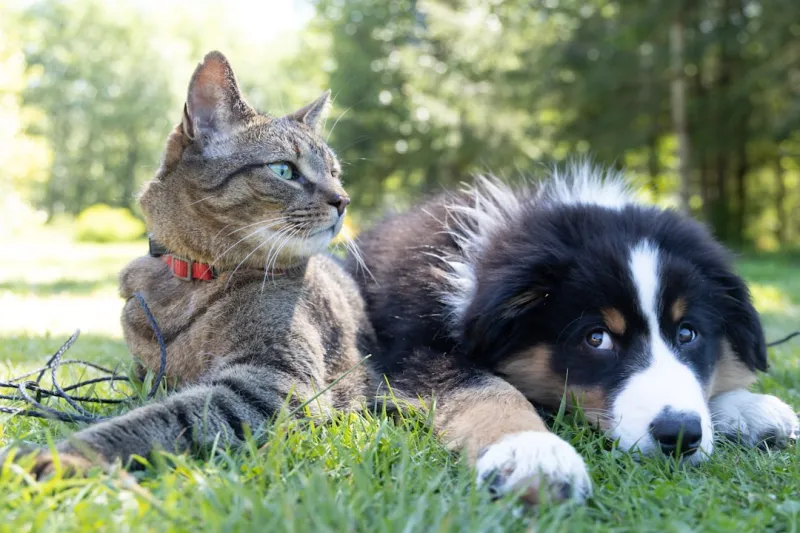
The Unlikely Heroes of Mental Health: How Pets Are Changing the Game
Pets play a vital role in maintaining our mental health and well-being. Learn how pets are impacting... Read More

The Data‑Driven Pet Owner: Turning Furry Friends into Smart Home Allies
Explore a fresh, data‑centric approach to pet ownership that blends AI, smart devices, and sustain... Read More
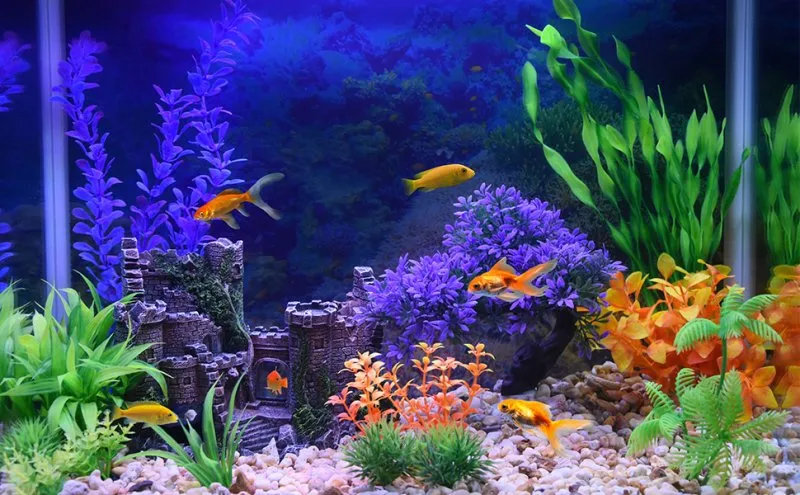
Beena Aquarium Decorations and Fish Food
The gentle hum of an aquarium, the graceful dance of colorful fish, and the serene beauty of an unde... Read More
Top Posts

The Critical Winterization Mandate: Why Immediate Pest Inspection is Essential as Temperatures Drop
The transition from autumn’s mildness to winter’s severity marks a pivotal moment in home maintenance and structural protection. For homeowners, business op...Read More

Improving Product Engagement with 3D Viewer Plugins: A New Dimension for Digital Retail
In the relentless pursuit of customer attention and loyalty, businesses operating in the digital sphere face an ever-growing challenge: how to effectively conve...Read More

Turning Pocket Money into a Financial Superpower: A Behavioral Playbook
Learn how tiny, habit‑based tweaks—from micro‑budgeting to gamified savings—can transform your daily spending into a powerful, automated wealth‑buildi...Read More

What Goes Into A Business Gift Basket? A Guide
While digital communication and strategic networking are vital, there's an enduring power in the tangible gesture of appreciation: the business gift basket. Mor...Read More
0 Comments
Post Comment
You will need to Login or Register to comment on this post!