
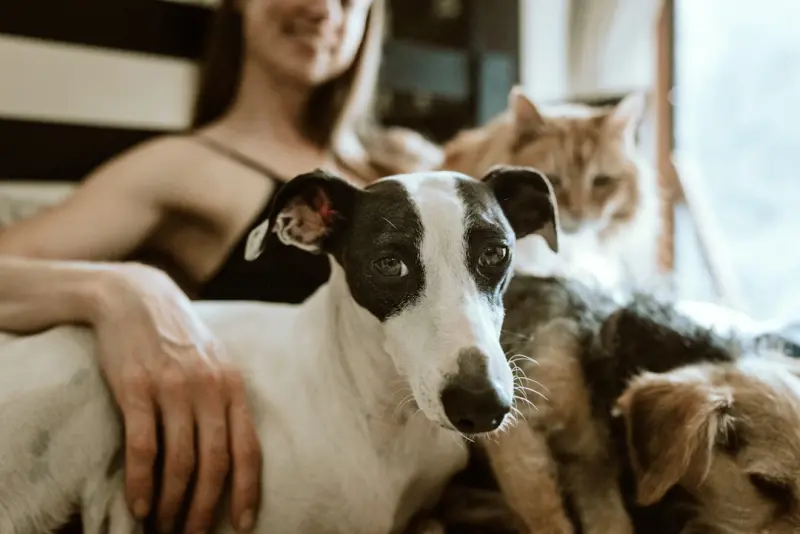
Pet Partnerships: How Four‑Legged Co‑Founders Are Redefining the Modern Office
When I first brought my rescued bulldog, Jasper, into my home‑office, I thought I was merely adding a cute distraction. What I didn’t anticipate was the ripple effect his presence would have on my team’s dynamics, my creative workflow, and even the way I think about product development. In the past few months, a growing number of entrepreneurs and remote‑workers have reported similar experiences—pets aren’t just companions; they’re becoming integral members of the business ecosystem.
The Science Behind the Snuggle‑Boost
Research from animal‑assisted therapy studies consistently shows that brief interactions with dogs or cats can lower cortisol levels, increase oxytocin, and improve overall mood. While these findings are often cited in the context of mental‑health clinics, they translate directly to the workplace. A quick pet‑break can reset a stressed brain, sharpening focus for the next sprint.
What’s more, the data‑driven insights from employee wellness platforms now reveal a measurable uptick in productivity metrics on days when pets are present. Teams report fewer “Zoom fatigue” moments, higher participation in brainstorming sessions, and a surprising boost in cross‑functional collaboration.
Designing a Pet‑Friendly Workspace Without Sacrificing Professionalism
Creating a workspace that welcomes both humans and animals requires thoughtful planning. Below are practical steps that keep the office looking polished while giving your pet the respect they deserve:
- Dedicated Pet Zones: Allocate a corner with a comfortable mat, water bowl, and a few toys. This signals to both your pet and colleagues that the space is a shared resource.
- Noise Management: While a gentle purr or soft bark can be soothing, sudden loud noises can disrupt calls. Use a small white‑noise machine or a rug to muffle sounds.
- Cleanliness Protocols: Keep pet hair at bay with lint rollers and a handheld vacuum. Regular grooming also reduces shedding and odors.
- Tech Integration: A smart camera can stream live footage of your pet to the team chat, turning a quick check‑in into a morale‑boosting moment.
- Policy Transparency: Draft clear guidelines on pet etiquette—no jumping on keyboards, respecting personal space, and ensuring vaccinations are up to date.
These small adjustments turn a potential distraction into an asset. In fact, many forward‑thinking startups now list “pet‑friendly” as a perk in their recruitment ads, attracting talent who value work‑life balance as much as they value their animal companions.
Pet‑Inspired Innovation: When Furry Feedback Shapes Product Roadmaps
It may sound whimsical, but observing how pets interact with products can uncover hidden usability issues. During a recent prototype test for a new smart‑home device, my cat, Luna, repeatedly pawed at the blinking LED, prompting our design team to reconsider the visual cues for human users. This anecdote mirrors a larger trend: companies are increasingly tapping into “pet‑testing” as an informal user‑experience (UX) method.
By treating pets as co‑founders rather than after‑thoughts, you unlock a fresh perspective on simplicity, durability, and accessibility. The following checklist helps you harness pet feedback effectively:
- Observe Natural Interactions: Let the animal explore the product in an unscripted environment.
- Document Behaviors: Video recordings reveal repeated gestures—like a dog nudging a button—that can inspire intuitive UI design.
- Iterate Quickly: Pets lose interest fast; use short cycles to capture insights before they wander.
- Translate Insights: Map animal behaviors to human pain points (e.g., a cat’s aversion to loud clicks may indicate a need for quieter notifications).
Eco‑Conscious Pet Care: Aligning Your Green Goals With Your Furry Friend
For businesses championing sustainability, pet ownership can feel like an ethical dilemma—after all, pet products often involve plastic packaging, meat‑based diets, and energy‑intensive accessories. The good news is that the industry is shifting. From biodegradable waste bags to plant‑based nutrition, there’s a burgeoning market of eco‑friendly pet solutions.
Integrating these options not only reduces your carbon footprint but also reinforces your brand’s commitment to responsible practices. Consider the following actionable steps:
- Switch to Sustainable Food Brands: Look for kibble made from insect protein or responsibly sourced fish, which require far less land and water than traditional meat.
- Adopt Refillable Toys: Toys crafted from recycled rubber or natural fibers can be replenished rather than replaced.
- Choose Compostable Waste Products: Many companies now offer biodegradable poop bags that break down within weeks.
- Leverage Smart Monitoring: Devices that track your pet’s activity can reduce unnecessary trips to the vet, conserving resources.
When you align your pet care routine with your corporate sustainability agenda, you create a cohesive narrative that resonates with employees, investors, and customers alike.
The Business Case: Bottom‑Line Benefits of a Pet‑Centric Culture
Beyond the feel‑good factor, the financial upside of pet‑friendly policies is becoming clearer. Companies that permit pets report lower turnover rates—employees are less likely to quit when they can bring their beloved companions to work. This reduces recruitment costs, which can run into thousands of dollars per hire.
Additionally, pet‑inclusive offices tend to attract high‑performing talent who prioritize flexible, humane work environments. A recent no‑code platform study revealed that teams with pet‑friendly policies completed projects 12% faster, citing increased morale as a key driver.
From a branding perspective, showcasing pet‑friendly initiatives on social media humanizes your company, fostering authentic connections with your audience. In a crowded market, this differentiation can translate into higher customer loyalty and advocacy.
Practical Tips for Remote Teams: Making Pets Part of the Virtual Experience
Even if you’re not in a physical office, pets can still play a pivotal role in remote collaboration:
- Pet‑Showcase Meetings: Allocate a 2‑minute slot at the start of weekly calls for team members to introduce their pets. This light‑hearted ritual builds rapport.
- Virtual Break Rooms: Create a Slack channel dedicated to pet photos, videos, and tips. The informal chatter can alleviate isolation.
- Shared Playlists: Curate calming background music that suits both humans and pets during focused work sessions.
- Health‑First Scheduling: Encourage short “pet‑stretch” breaks every hour to stand, walk, or play, mirroring the Pomodoro technique.
These low‑effort practices keep the pet energy alive across digital borders, reinforcing the sense that every team member—human or animal—is part of the collective mission.
Future Outlook: Pets as Stakeholders in Corporate Governance?
Looking ahead, the idea of treating pets as genuine stakeholders is gaining traction. Some startups are exploring pet‑centric equity models, where a portion of stock options is allocated to a pet trust, ensuring that the animal’s welfare is financially secured. While still experimental, this concept underscores a broader shift: businesses are redefining value beyond traditional shareholder frameworks, embracing a more holistic view of well‑being.
As regulations evolve and public sentiment leans toward more compassionate capitalism, we may soon see formalized structures for pet‑related governance—think pet‑impact reports alongside ESG disclosures.
Conclusion: Embrace the Co‑Founder Mindset
Integrating pets into the fabric of your organization is more than a feel‑good perk; it’s a strategic advantage that touches culture, innovation, sustainability, and the bottom line. By designing thoughtful spaces, listening to the subtle feedback of our furry collaborators, and aligning pet care with broader corporate values, you unlock a reservoir of untapped potential.
So the next time Jasper nudges your laptop for a pat, don’t brush it off as a cute interruption. See it as a reminder that the best ideas often come from the most unexpected sources—four paws, a wagging tail, or a gentle purr.

Brad Hays is a freelance writer known for his versatile skill set and ability to craft compelling content across a wide range of industries.
Related Posts
The Unlikely Heroes of Mental Health: How Pets Are Changing the Game
Pets play a vital role in maintaining our mental health and well-being. Learn how pets are impacting... Read More
Pets at Work: How Furry Friends Are Shaping the Remote‑First Era
Discover why pets are becoming essential partners in remote work, improving mental health, productiv... Read More
Pet‑Powered Sprint: How My Furry Friends Teach Me Faster, Smarter Living
Learn how Luna’s lightning pounces and Milo’s enthusiastic fetches reveal a sprint mindset that ... Read More
Top Posts

The Healing Power of Nature: How Sustainable Living Can Improve Mental Health
Explore the link between sustainable living and mental health, and learn practical tips on how to cultivate a deeper sense of well-being by embracing a more eco...Read More

Edge‑First Web Development: Building Faster, Safer Experiences
Adopting an edge‑first mindset transforms web applications by reducing latency, enhancing security, and improving SEO. This guide walks SaaS teams through the...Read More

The Future of Home Appliances: How Sustainable Living is Revolutionizing the Industry
The home appliance industry is undergoing a significant transformation, driven by growing concerns about climate change and the environment. Sustainable living ...Read More
Decision Labs: Turning Data Into Actionable Business Experiments
A Decision Lab blends data, simulation, and rapid experimentation to turn business questions into actionable insights, empowering teams to make faster, smarter ...Read More
0 Comments
Post Comment
You will need to Login or Register to comment on this post!