
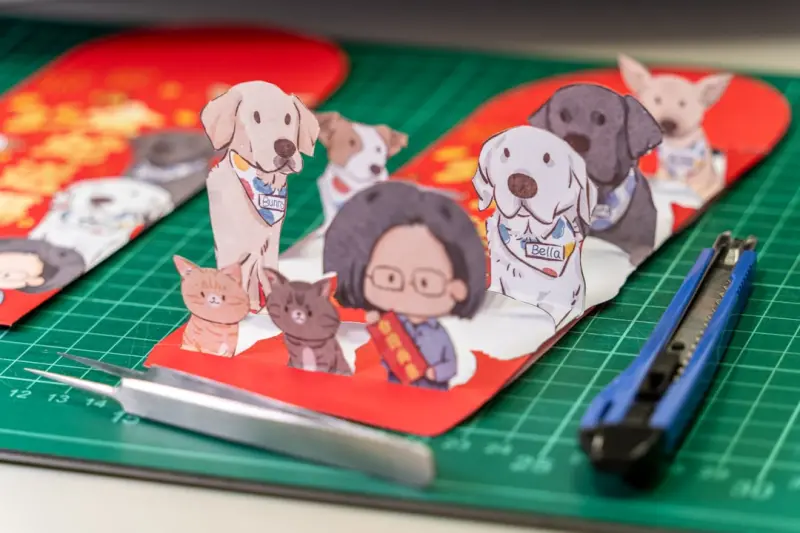
When the pandemic turned our living rooms into conference rooms, our furry friends slipped silently from the hallway and onto the keyboard, the couch, and eventually, the home‑office chair. Suddenly, the humble cat that once lounged on the windowsill became an unofficial meeting participant, and the dog that greeted us at the front door turned into a “morning‑standup” alarm. As remote work cements itself as a staple of modern professional life, pets are evolving from adorable after‑hours companions to core contributors in our daily productivity ecosystem.
The Remote Work Revolution and Four‑Pawed Co‑Workers
In the early days of telecommuting, many professionals tried to recreate the sterile, “focus‑only” atmosphere of a traditional office—headphones on, webcam off, and the pet hidden somewhere out of sight. But the data is clear: employees who regularly interact with their pets during work hours report lower stress levels, higher job satisfaction, and a noticeable boost in creative problem‑solving.
Why does a simple tail‑wag or a gentle purr have such an impact? Neuroscience tells us that interacting with animals triggers the release of oxytocin and serotonin, two hormones that counteract cortisol, the body’s primary stress hormone. The result is a calmer mind, sharper focus, and a more resilient response to the inevitable mid‑day deadline panic.
Companies are taking notice. A handful of forward‑thinking organizations have begun offering “pet‑friendly days,” where employees can bring their dogs (or occasionally, a well‑behaved cat) to virtual team meetings. Some have even introduced a “Pet‑Buddy Allowance,” a modest stipend to cover pet‑related expenses that support employee wellbeing.
Data‑Driven Pet Care: From Wearables to AI
Just as we track our own health metrics with smartwatches, a new wave of pet wearables is emerging, turning our animals into data points we can understand and act upon. From activity trackers that monitor steps and sleep cycles to smart collars that detect changes in heart rate and temperature, technology is giving us a window into our pets’ unseen lives.
But with great data comes great responsibility. The rise of pet health analytics raises questions about privacy, data ownership, and ethical use—issues that echo broader industry debates. If you’re curious about navigating these waters, reading about ethical data practices can provide a solid foundation for handling pet health data responsibly.
Beyond raw numbers, AI platforms are learning to predict health events before they become emergencies. By analyzing patterns—like a subtle dip in a dog’s activity or a cat’s altered grooming routine—these systems can alert owners to potential issues such as arthritis, diabetes, or anxiety, prompting early veterinary intervention.
Imagine a future where your cat’s collar not only tells you she’s sleeping but also suggests the ideal time to open a window for fresh air based on temperature fluctuations and her personal comfort profile. That future is already being prototyped, and it’s reshaping how we think about pet care as an ongoing partnership rather than a series of reactive fixes.
Building a Pet‑Friendly Home Office Without Breaking the Bank
Creating a workspace that welcomes both you and your pet doesn’t have to involve a full‑blown renovation. Small, strategic tweaks can make a world of difference:
- Designated Zones: Allocate a specific corner for your pet’s bed or play area. This gives them a “home base” and helps them understand when it’s time to be calm versus when you’re in deep‑work mode.
- Noise‑Absorbing Materials: Soft rugs or acoustic panels not only improve sound quality for virtual calls but also provide a comfortable surface for paws.
- Pet‑Safe Cable Management: Use cable sleeves or clips to keep cords tidy and out of reach, preventing chews and accidental unplugging.
- Easy‑Clean Surfaces: Opt for washable chair covers and desk mats that can be quickly wiped down after a fur‑filled cuddle session.
- Interactive Toys Within Reach: Keep a few durable toys nearby to keep your pet occupied while you focus on a complex task.
These adjustments cost little but pay off in reduced distractions and a more harmonious work environment.
When Your Pet Becomes a Brand Ambassador
Social media has turned many ordinary pets into viral sensations, and businesses are tapping into that influence. A well‑curated Instagram account featuring a cat lounging on a laptop or a dog “helping” with a video conference can humanize a brand, foster community, and even drive sales.
But authenticity is key. Audiences quickly sniff out forced sponsorships. The most successful pet‑centric campaigns are those that align naturally with the brand’s values—think eco‑friendly pet product lines partnered with a dog known for outdoor adventures, or a tech firm showcasing a cat lounging near a sleek laptop stand.
When considering a pet ambassador strategy, remember these guidelines:
- Storytelling Over Stunts: Share genuine moments that reflect your brand’s voice rather than staging elaborate tricks.
- Consistent Visuals: Maintain a cohesive aesthetic across posts, mirroring your broader marketing palette.
- Engage the Community: Invite followers to share their own pet photos using a branded hashtag; user‑generated content amplifies reach.
Pet influencers can become the bridge between a company’s technical prowess and the warm, relatable side that resonates with human customers.
Future‑Proofing Your Pet Relationship: Sustainable Choices
Just as consumers are gravitating toward greener tech and circular economies, pet owners are rethinking the environmental footprint of their companions’ lives. From biodegradable waste bags to toys crafted from recycled ocean plastics, sustainable pet products are no longer niche—they’re becoming mainstream.
If you’re hunting for inspiration, check out the insights in Playful Futures. The piece explores how designers fuse eco‑friendly materials with smart technology, a trend that’s spilling over into pet accessories like interactive, solar‑powered feeding stations and biodegradable chew toys that keep both your pet happy and the planet healthier.
Beyond products, consider the lifecycle of pet ownership itself. Opt for adoption over purchasing from breeders, choose local veterinarians to reduce travel emissions, and invest in reusable grooming tools. These choices not only align with broader sustainability goals but also deepen the bond with your pet, reinforcing a shared commitment to a better future.
Integrating Pet Wellness Into Corporate Culture
Forward‑thinking HR leaders are beginning to embed pet wellness into employee benefit packages. Initiatives can range from on‑site “pet‑pause” rooms—where employees can briefly unwind with their animals—to partnerships with pet‑care platforms that offer discounted tele‑vet appointments.
Such programs serve dual purposes: they boost morale and they reduce turnover. Employees who feel their personal lives are respected are more likely to stay loyal to an organization that acknowledges the integral role pets play in their wellbeing.
When designing these perks, keep the following principles in mind:
- Flexibility: Offer a menu of options—remote‑work pet stipends, pet‑insurance subsidies, or access to virtual pet‑training workshops.
- Inclusivity: Recognize that not everyone can bring a pet to the office; ensure benefits are valuable for remote workers as well.
- Feedback Loops: Survey employees regularly to gauge the effectiveness and adjust offerings accordingly.
By positioning pets as a strategic component of employee experience, companies can differentiate themselves in a competitive talent market.
The Takeaway: Pets as Partners in a Digital Age
Our relationship with pets is undergoing a profound transformation. No longer just companions, they are data sources, brand assets, wellness coaches, and sustainability champions. As we continue to blur the lines between work and home, the pet’s role expands, offering us a living reminder that productivity thrives not in isolation, but in environments rich with connection, care, and a touch of fur.
So the next time you hear a soft meow interrupt your Zoom call or a wagging tail thump your keyboard, remember: it’s not a disruption—it’s a cue to pause, breathe, and let a little animal‑inspired joy recalibrate your day.

Steph Sanderson is a Toronto-based freelance writer and content creator with a clear passion: crafting compelling articles. With a dedication to clear, engaging prose and a knack for storytelling, Steph brings a wealth of experience to every project.
Related Posts

The Remote‑Work Pet Wellness Playbook: Turning Home Offices into Health Hubs
Remote work offers a unique chance to prioritize pet wellness. This playbook outlines tech tools, co... Read More

Pets: Jody Henderson’s Fresh Take on Modern Pet Care
Jody Henderson shares how smart gear, eco‑friendly choices, and a rebel mindset are reshaping pet ... Read More

The Unseen Benefits of Treating Your Pet Like a Co‑Founder
A deep dive into how pets can become integral co‑founders, improving workplace culture, driving in... Read More
Top Posts

Best ChatGPT Rank Tracking Tools: Enhancing SEO with AI Insights
In the ever-evolving landscape of digital marketing, the integration of artificial intelligence (AI) has revolutionized how content is created, optimized, and m...Read More

The Internet’s 2026 Evolution: From AI Browsers to Sustainable Connections
A deep dive into the 2026 internet landscape—AI‑powered browsers, privacy strategies, and sustainable networking—plus actionable tips for staying ahead....Read More

Beyond the Mirror: How AI Is Redefining Beauty Routines
Discover how AI-driven personalization, augmented reality mirrors, and privacy‑first tech are reshaping the beauty industry, offering consumers bespoke experi...Read More

Designing a Pet‑Friendly Home That Sparks Joy and Wellness
Learn how to blend enrichment, smart tech, and eco‑conscious choices to transform any living space into a thriving environment for your pets, boosting their h...Read More
0 Comments
Post Comment
You will need to Login or Register to comment on this post!