

Why Remote Work Is the Unexpected Catalyst for a Pet Wellness Revolution
When the office migrated to the living room, my Labrador, Baxter, stopped being “the dog you see on Zoom” and became the constant, four‑legged coworker who sits beside my laptop while I draft proposals. That shift didn’t just change my schedule—it sparked a seismic change in how we think about pet health, behavior, and happiness. In this post I’ll unpack the hidden dynamics that remote work has unlocked for our furry (and feathered) companions, explore the emerging ecosystem of pet‑focused platforms, and share actionable steps you can take to turn the home office into a thriving wellness hub for your animal sidekick.
The Home Office as a Pet‑Centric Habitat
Before the great shift to remote work, pets were largely relegated to the periphery of our professional lives. They waited at the door while we rushed out, endured long stretches of solitude, and were often left to fend for themselves during the workday. Now, with our desks positioned beside their favorite sun‑lit spot, the daily routine looks dramatically different:
- Micro‑breaks become shared moments. A quick stretch for you is often a chance for Baxter to get a brief belly rub.
- Real‑time observation. We can notice subtle changes in appetite, energy, or anxiety that would have gone unnoticed during a typical 9‑to‑5 commute.
- Instant access to resources. A single click opens a world of tele‑vet services, behavior webinars, and smart‑device dashboards.
These small but profound adjustments have turned the home office into a de‑facto pet wellness hub.
From Reactive Care to Proactive Wellness
Traditional pet care has largely been reactive: you notice a limp, you schedule a vet visit; you see a new fear, you buy a calming treat. The remote‑work environment, however, encourages a more proactive mindset. Here’s why:
- Continuous data collection. Smart feeders, activity collars, and environmental sensors now feed real‑time metrics into cloud dashboards. You can spot a dip in activity before it escalates into a health issue.
- Immediate specialist access. Tele‑vet platforms let you consult a veterinarian during a lunch break rather than waiting weeks for an in‑person appointment.
- Behavioral coaching on demand. Video calls with certified animal behaviorists can be scheduled between meetings, turning a stressful bark into a teachable moment.
This shift mirrors the broader trend in human healthcare: moving from episodic treatment to continuous, data‑driven wellness.
Emerging Platforms That Are Changing the Game
Several innovative platforms have seized the opportunity to blend technology, community, and professional expertise into one seamless experience. Below are three standout examples that illustrate the breadth of the pet‑wellness renaissance.
1. Integrated Pet Health Dashboards
Imagine a single interface where you can monitor Baxter’s daily steps, calorie intake, sleep cycles, and even stress levels—all pulled from his collar, feeder, and a smart litter box. These dashboards use machine‑learning algorithms to flag anomalies and suggest actionable insights, such as “increase playtime by 10 minutes” or “schedule a vet check for weight loss.”
2. Virtual Vet Clinics
Tele‑vet services have exploded, but the most effective ones combine video consultations with AI‑assisted symptom triage. You upload a short video of your pet’s cough, and the system instantly compares it against a library of over 10,000 cases, giving the vet a head start on diagnosis. This model dramatically reduces wait times and improves diagnostic accuracy.
3. Community‑Driven Behavioral Coaching
Pet owners are now tapping into peer‑supported learning groups hosted on niche platforms. These groups host live webinars, Q&A sessions with certified trainers, and even “buddy‑watch” programs where members virtually check in on each other’s pets during the day. The sense of shared responsibility fosters accountability and reduces the isolation many pet parents feel when juggling work and pet care.
These platforms don’t exist in a vacuum—they’re part of a larger tech ecosystem that includes everything from niche search engines to health‑focused apps. For instance, businesses leveraging niche search engines are discovering untapped audiences of pet owners looking for specialized solutions.
Smart Devices: The Unsung Heroes
While platforms provide the software layer, hardware is the backbone that makes continuous monitoring possible. Here are a few categories of devices that have become indispensable for remote‑work pet owners:
- Activity Collars. Track steps, heart rate, and even respiratory patterns.
- Smart Feeders. Automate portion control and send alerts if your cat skips a meal.
- Environmental Sensors. Monitor temperature, humidity, and air quality—critical for senior pets with arthritis or respiratory sensitivities.
- Interactive Toys. AI‑driven laser toys or puzzle dispensers keep pets mentally stimulated while you’re on a conference call.
When paired with the dashboards mentioned earlier, these devices create a feedback loop that enables you to adjust care in near real‑time.
Data Privacy: A Must‑Consideration
All this data is valuable—not just for your pet’s health but also for marketers. As pet owners, we must be vigilant about who has access to our animals’ biometric information. Look for platforms that are transparent about data usage, provide granular consent options, and employ end‑to‑end encryption. In a world where digital health innovations are reshaping personal wellness, pet health data deserves the same rigor.
Building a Pet‑Friendly Remote‑Work Culture
If you’re a manager or team lead, you have the power to turn your organization’s remote‑work policy into a pet‑wellness advantage. Here are three concrete steps you can implement:
- Allow “Pet Breaks.” Encourage employees to step away for a quick walk or play session. This improves both human focus and pet mental health.
- Provide Reimbursement for Smart Devices. A modest stipend for a health collar or smart feeder can yield measurable ROI in employee satisfaction and reduced absenteeism.
- Create a “Pet‑Wellness Channel.” A dedicated Slack or Teams channel where staff share tips, success stories, and even schedule group virtual playdates.
When employees feel their pets are considered part of the broader well‑being strategy, loyalty and productivity tend to rise.
Success Stories: Real‑World Impact
Below are two brief case studies that illustrate the tangible benefits of integrating pet wellness into remote work.
Case Study 1: Tech Startup Reduces Sick Days by 18%
A mid‑size SaaS startup offered a pet‑health stipend and instituted weekly “Pet‑Check‑In” video calls. Within six months, the company reported an 18% drop in employee sick days—a correlation they attribute to reduced stress levels and increased physical activity from walking pets during breaks.
Case Study 2: Solo Entrepreneur Saves on Vet Bills
Maria, a freelance graphic designer, invested in a smart feeder and activity collar for her aging cat, Luna. The dashboard flagged a gradual decline in activity, prompting an early vet visit that caught a thyroid issue before it escalated. Early intervention saved her over $500 in treatment costs and extended Luna’s quality of life by several years.
Future Trends to Watch
The pet‑wellness landscape is still in its infancy, but several trends are already shaping its trajectory:
- Predictive Analytics. Advanced models will forecast health events months in advance, enabling truly preventive care.
- Cross‑Species Health Platforms. Unified dashboards that monitor both human and pet health metrics, highlighting correlations such as shared allergens or activity levels.
- Gamified Wellness. Points, badges, and leaderboards for completing daily walks or feeding routines, driving engagement for both pets and owners.
As these trends mature, the line between pet care and human wellness will blur, fostering a holistic approach to family health.
Takeaway Checklist
Ready to turn your remote‑work environment into a pet‑friendly wellness hub? Use this checklist to get started:
- Audit your current pet‑care tools and identify gaps.
- Choose a single integrated health dashboard to centralize data.
- Schedule a tele‑vet appointment to establish a baseline health profile.
- Allocate a modest budget for at least one smart device (collar, feeder, or sensor).
- Introduce “Pet Breaks” into your daily routine and encourage team participation.
- Join an online pet‑owner community for support and shared learning.
By taking these steps, you’ll not only improve your animal’s quality of life but also boost your own productivity, focus, and overall happiness.
Conclusion: The Win‑Win of Pet‑Centric Remote Work
Remote work has inadvertently given us the most valuable resource for pet care: time. By harnessing technology, community, and intentional workplace policies, we can transform that time into measurable health benefits for our companions. The result is a virtuous cycle—healthier pets lead to less stress for owners, which translates into better work performance, creating a healthier, more engaged, and ultimately more profitable organization.
So the next time you hear a bark from your home office, don’t see it as a distraction. See it as a reminder that the future of work is as much about our animal partners as it is about the spreadsheets on our screens.

Ryan Stuart is a seasoned freelance features writer, editor, and professional photographer with a passion for exploring the world and capturing its beauty through words and images.
Related Posts

The Unseen Benefits of Treating Your Pet Like a Co‑Founder
A deep dive into how pets can become integral co‑founders, improving workplace culture, driving in... Read More
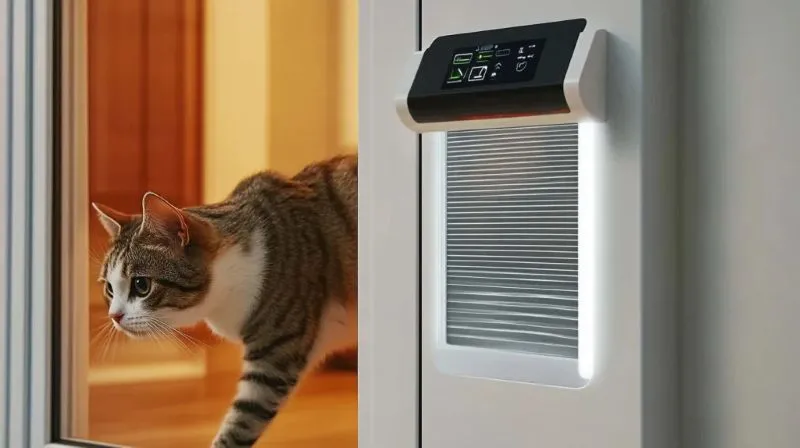
The Future of Den Access: Why Automatic Smart Pet Doors are Redefining Home Security
For pet owners, the "door dilemma" is a universal experience. It is the perpetual oscillation betwee... Read More

Why a Four‑Legged Co‑Worker Is the Secret Weapon of Remote Professionals
Remote workers are turning to pets as silent productivity partners. This post explores the science, ... Read More
Top Posts

Micro‑Communities: Redefining Belonging in Hyperconnected World
Micro‑communities are the quiet revolution redefining how we belong, collaborate, and advocate in a hyperconnected world, offering intimacy, rapid skill trans...Read More

Beyond the Gate: Building a Holistic Safety Net for Kids at Home
A modern parent’s guide to merging physical child‑proofing with digital vigilance, using smart sensors, eco‑friendly design, and playful safety drills to ...Read More

Google Gemini: The Playbook for the Next AI Wave
Discover how Google Gemini reshapes AI with multimodal magic, SEO shifts, and practical steps for rebels to adopt this game‑changing technology....Read More
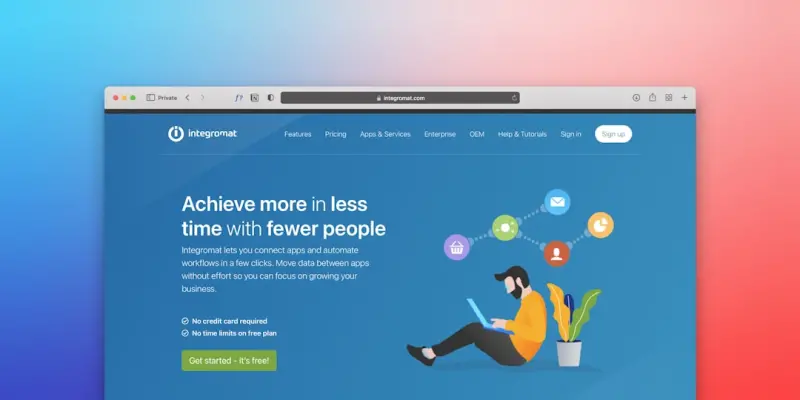
Beyond the Core: Leveraging Plugins to Accelerate SaaS Growth
A deep dive into building, monetizing, and marketing a robust plugin marketplace that turns a SaaS core into a versatile platform, driving new revenue streams a...Read More
0 Comments
Post Comment
You will need to Login or Register to comment on this post!