

When most marketers hear “SEO,” the first thing that pops into their heads is a frantic dash for Google’s ever‑shifting algorithms. I get it—Google feels like the only playground where the game is even worth playing. But here’s a secret I’ve been keeping to myself: Bing is the quiet powerhouse that’s quietly reshaping the search landscape, and ignoring it is the new “missed opportunity” meme.
Why Bing Matters More Than You Think
First, let’s get the numbers straight (no year‑specific references, just the facts). Bing commands a solid slice of the search market—especially in North America and on Windows devices, where it’s the default. That default status translates into billions of impressions each month, many of which never see the light of day on Google‑only strategies.
Three reasons why Bing is suddenly relevant:
- Integration with Microsoft’s ecosystem. From Office 365 to Azure, the Bing engine powers everything from enterprise cloud solutions to the Windows search bar. If your audience lives in the Microsoft world, they’re already searching on Bing.
- AI‑driven results. Bing’s AI layer, built on the same foundation as ChatGPT, interprets intent in a more conversational way. That means “long‑tail” queries get a boost, and content that answers questions in a natural tone can skyrocket.
- Less competition. While everyone is battling for the same high‑value Google keywords, Bing’s keyword landscape is less saturated, offering a lower cost‑per‑click (CPC) and higher organic click‑through rates for savvy brands.
The Bing Algorithm: What Sets It Apart
Understanding the differences is the first step to crafting a strategy that feels native rather than forced.
1. Social Signals Carry More Weight
Unlike Google, which downplays raw social metrics, Bing still respects social engagement as a trust signal. A piece of content that’s widely shared on LinkedIn or Twitter can nudge Bing’s ranking engine in a positive direction. Actionable tip: embed share buttons directly in your blog posts and monitor social spikes using a simple dashboard.
2. Visual and Video Content Are Front‑Row Players
Bing’s image search is notoriously strong, thanks to its partnership with Microsoft’s computer vision tech. Video thumbnails and alt‑text aren’t just accessibility features; they’re ranking levers. Optimizing your media assets for descriptive filenames and rich alt attributes can unlock a hidden traffic source.
3. Local Search Gets a Boost from Microsoft Maps
If you run a brick‑and‑mortar operation, Bing’s local pack is powered by Microsoft Maps data, which often reflects real‑time business updates faster than Google. Keeping your business listings fresh on Bing Places for Business is non‑negotiable.
4. Structured Data Still Rules
Even though Bing’s AI can “read” natural language, structured data remains the fastest lane to SERP features like rich snippets, FAQs, and how‑to boxes. If you haven’t yet implemented JSON‑LD for your product pages, you’re essentially leaving money on the table. For a deeper dive into the nuances of schema, check out our guide on structured data insights.
Building a Bing‑First Content Blueprint
Now that you know what Bing looks for, let’s translate that into a repeatable workflow.
Step 1: Audience Mapping Through Microsoft Graph
Microsoft’s Graph API aggregates data from Office, Teams, and LinkedIn. By tapping into this ecosystem, you can surface the exact topics your audience is discussing in real time. Use this intel to craft blog posts that answer the questions already buzzing in their professional circles.
Step 2: Keyword Research—The Bing Way
Traditional tools like Ahrefs or SEMrush default to Google data, but Bing offers its own Keyword Research tool. Combine the two for a hybrid list that highlights low‑competition, high‑intent phrases. Focus on long‑tail queries that start with “how to,” “why,” or “what are the best…”—these perform exceptionally well under Bing’s AI‑driven interpretation.
Step 3: Content Architecture Aligned with Intent
Structure your articles like a conversation. Start with a concise answer, then expand with sub‑sections that address related queries. This mirrors how Bing’s AI parses content: it looks for a clear primary answer followed by supporting details. Use <h2> and <h3> tags strategically; they act as signposts for the AI.
Step 4: Optimize Media for Bing’s Visual Engine
- Rename image files to include target keywords (e.g.,
b2b-saas-dashboard.png). - Write detailed
alttext that describes the visual content, not just the keyword. - Host videos on platforms that Bing crawls effectively, such as YouTube (owned by Microsoft’s partner) or directly embed via Azure Media Services.
Step 5: Leverage Bing Places for Business
Claim your listing, verify your address, and populate every field—hours, services, photos, and a compelling description. Encourage satisfied customers to leave reviews; Bing treats them as a ranking factor almost as heavily as Google does.
Technical SEO: The Bing Lens
Beyond content, Bing’s crawler—Microsoft’s Bingbot—has a few quirks worth noting.
- Crawl Budget Efficiency. Bingbot is less aggressive than Googlebot, so you need to prioritize high‑value pages in your
robots.txtandsitemap.xmlfiles. Avoid blocking CSS or JS that renders essential content. - Page Speed. While both engines reward fast pages, Bing’s Core Web Vitals weighting is slightly more forgiving. Still, aim for a Largest Contentful Paint (LCP) under 2.5 seconds to stay ahead of the curve.
- HTTPS & Security. Bing gives a minor ranking boost to sites with strong TLS configurations and visible security headers. Use
Content‑Security‑PolicyandStrict‑Transport‑Securityto signal trust.
Measuring Success: Bing‑Specific KPIs
Google Analytics will show you traffic, but to truly understand Bing’s impact, layer on these metrics:
- Impression Share on Bing. The proportion of times your site appears in Bing SERPs for your target keywords.
- Click‑Through Rate (CTR) by Position. Bing’s SERP layout differs slightly, so track CTR at each rank slot to spot optimization opportunities.
- Conversion Path Attribution. Use UTM parameters that specify “bing_organic” to isolate the performance of Bing traffic in your funnel.
Future‑Proofing Your Bing Strategy
The search world is moving fast, and staying ahead means anticipating the next wave of change. Bing’s AI integration is still in its infancy, and Microsoft has announced a series of upcoming features that will reshape how content is surfaced.
One emerging trend is semantic clustering. Instead of ranking for single keywords, Bing will evaluate entire topic clusters, rewarding comprehensive coverage. This dovetails nicely with the future‑proofing tactics we’ve outlined for other platforms.
Another development is the deeper fusion of Bing Search with Microsoft Teams and the broader Office suite. Imagine a scenario where a user asks their Teams bot a question, and Bing’s AI surfaces your article as the answer—directly within the workflow. To prepare, ensure your content is easily consumable in snippet form: short paragraphs, bullet points, and clear headings.
Common Misconceptions About Bing SEO (And Why They’re Wrong)
- “Bing is only for older demographics.” While Bing does have a higher share among certain age groups, its integration with Windows and enterprise tools means it’s heavily used by professionals across all ages.
- “Bing doesn’t value backlinks.” Backlinks still matter, but Bing places a slightly higher emphasis on the relevance and authority of linking domains rather than sheer quantity.
- “If I rank on Google, I’m automatically ranking on Bing.” The two engines have distinct ranking formulas; a page that thrives on Google may languish on Bing without targeted optimization.
Wrapping It Up: Turning Bing Into a Growth Engine
If you’ve been treating Bing as an afterthought, it’s time for a mindset shift. Think of Bing not as a “second‑place” search engine, but as a complementary channel that reaches a distinct, often untapped audience. By aligning content creation, technical health, and measurement with Bing’s unique signals, you can unlock a steady stream of high‑quality traffic without the fierce competition that defines Google SEO.
Remember: the best SEO strategies are those that diversify, adapt, and respect the nuances of each platform. So, the next time you sit down to plan your quarterly content calendar, put Bing at the top of the agenda. The quiet powerhouse is waiting, and it’s ready to amplify your brand’s voice.

Miranda Murphy: Experienced freelance writer with a decade of storytelling expertise. Let's create something amazing together!
Related Posts
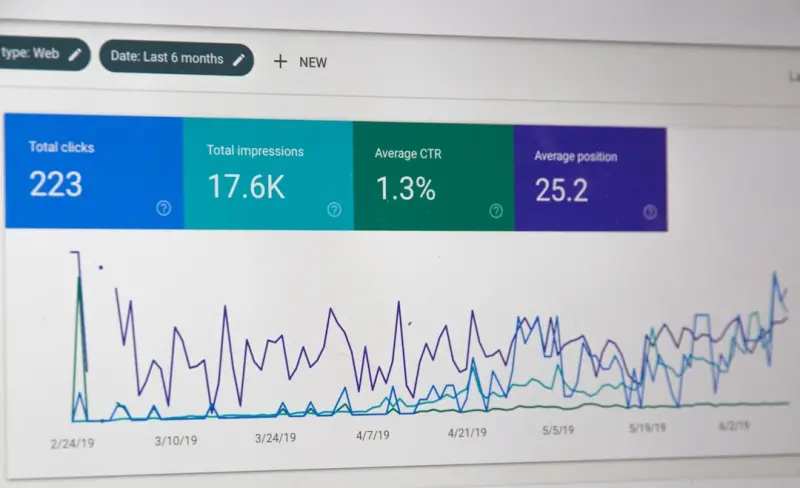
Unlocking Bing SEO: Fresh Tactics for Dominating the AI‑Powered Search Landscape
Explore proven Bing SEO strategies, from AI‑driven keyword research to schema markup and local lis... Read More
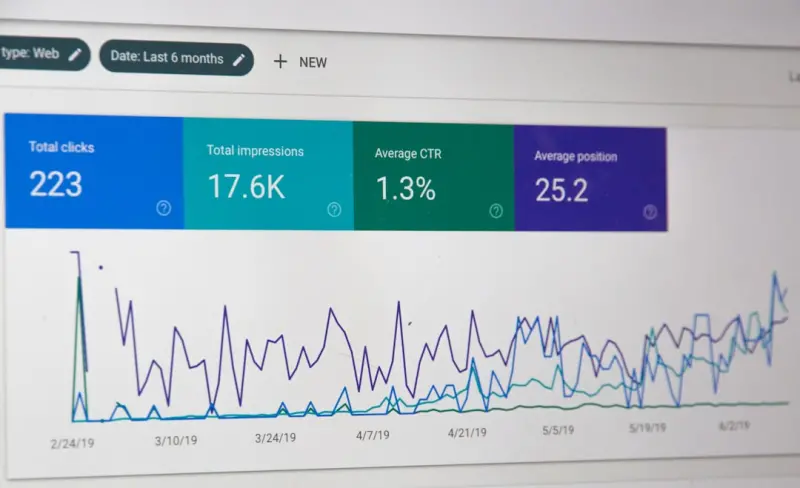
Bing SEO Secrets: How SaaS Companies Can Capture Untapped Enterprise Traffic
A deep dive into Bing’s unique ranking factors—enterprise intent, LinkedIn data, and AI semantic... Read More
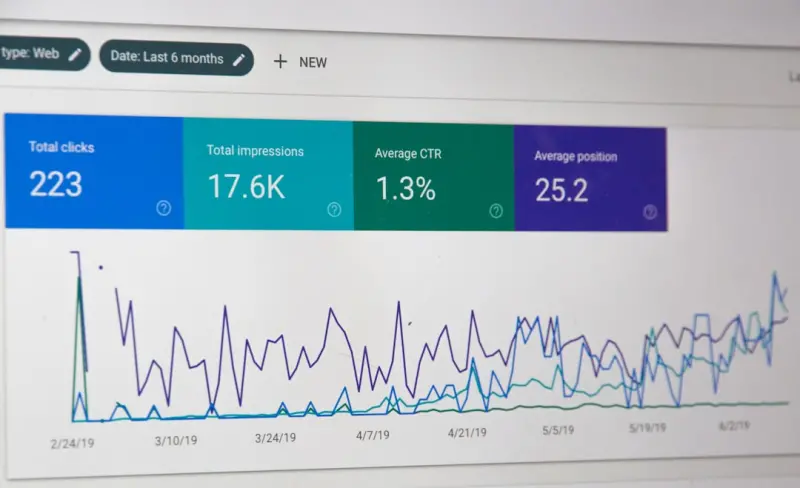
Bing SEO Playbook for B2B SaaS Leaders
A deep dive into Bing’s unique ranking signals, structured data, visual search, and Edge‑first p... Read More
Top Posts

SEO The Pillars to Fine Tunning your website
Fine-tuning your website for search engines is an essential process for achieving long-term digital growth. By mastering the pillars of technical performance, q...Read More
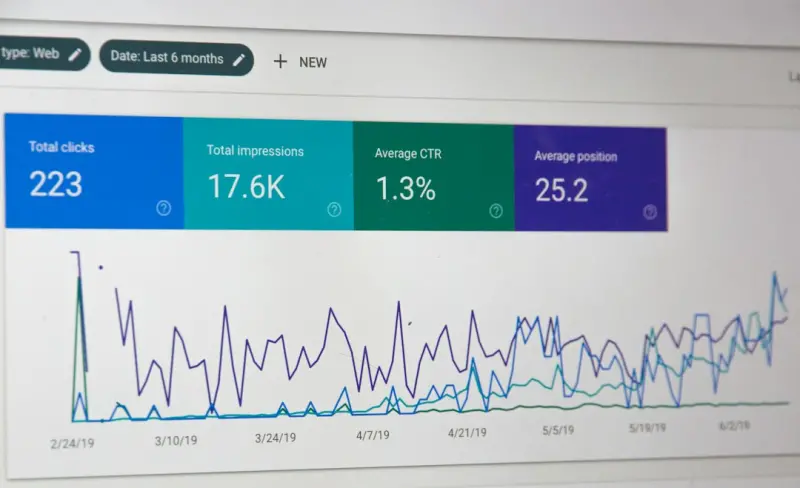
Turning On‑Page SEO Into a User‑Centric Experience
A fresh take on on‑page SEO that treats each page as a user‑centric canvas, merging intent mapping, interaction design, and technical trust to boost ranking...Read More
Low‑Code Platforms: Empowering Every Team to Build Software
Low‑code platforms are reshaping software development by letting any team prototype, integrate, and launch applications quickly while preserving security and ...Read More

Network‑First Thinking: Turning Connections into SaaS Growth
A network‑first approach turns every interaction into a strategic asset, driving product adoption, partnership revenue, and community engagement for SaaS comp...Read More
0 Comments
Post Comment
You will need to Login or Register to comment on this post!