
Why Bing Is Suddenly the B2B SEO Goldmine You’ve Been Overlooking
When most marketers whisper “SEO,” the first name that pops up is Google. That’s understandable – it dominates market share, and its algorithm updates are headline news. But as a B2B SaaS strategist who has spent the last decade navigating the ever‑shifting search landscape, I’ve learned that the second‑largest search engine can be a quiet powerhouse, especially for enterprises that already live inside the Microsoft ecosystem.
In this post I’m pulling back the curtain on Bing’s unique ranking signals, its deep integration with LinkedIn and Azure, and a step‑by‑step playbook you can start executing today. If you’ve been focusing solely on Google, you’re likely missing out on high‑intent traffic, lower competition, and a platform that rewards the kind of semantic authority that SaaS blogs thrive on.
The Microsoft Effect: Why Bing Is More Than Just a Search Engine
Bing isn’t an orphaned product; it’s a core component of a broader suite that includes Microsoft Edge, the Windows desktop, the Azure cloud, and LinkedIn. This creates three distinct advantages for B2B SaaS companies:
- Enterprise‑first intent. A significant portion of Bing’s queries come from corporate devices and Microsoft 365 users, meaning the audience is already in a business mindset.
- Data synergy. Bing leverages signals from LinkedIn profiles, Outlook calendar events, and Azure AD authentication to enrich search results with professional relevance.
- Lower competition. Because many marketers ignore Bing, the keyword landscape is less saturated, allowing niche SaaS solutions to rank faster.
Decoding Bing’s Ranking Signals: The Essentials for SaaS
Google’s algorithm gets most of the press, but Bing’s ranking factors share enough overlap to feel familiar, while also introducing a few quirks:
- Page Experience & Core Web Vitals. Bing has adopted the same performance metrics as Google (LCP, FID, CLS), but it places a heavier emphasis on mobile‑first indexing for desktop‑heavy enterprise sites.
- Social Proof via LinkedIn. Content that is widely shared or referenced on LinkedIn can receive a modest boost. This is where your B2B playbook for social outreach becomes directly relevant.
- Semantic Understanding. Bing’s AI, powered by the same large language model that fuels Copilot, leans heavily on contextual relevance. In practice, this means that well‑structured, topic‑clustered content can outperform isolated keyword stuffing.
- Trust Signals. Microsoft’s security mindset makes privacy‑first web hosting a tangible ranking factor. HTTPS, proper CSP headers, and transparent data policies are non‑negotiable.
- Local & Visual Search. While traditionally associated with consumer queries, Bing’s “Bing Places” and image search have enterprise use‑cases—think SaaS demos in video thumbnails or product screenshots that surface in visual queries.
Building Semantic Authority for Bing: A Playbook
One of the most underutilized levers on Bing is its appetite for deep, interconnected content. The platform’s AI is trained to surface “topic authority” rather than isolated pages. Here’s how to align your content strategy:
- Map out topic clusters. Identify core pillars (e.g., “cloud security for SaaS,” “API integration best practices,” “low‑code workflow automation”) and create hub pages that link to detailed sub‑articles.
- Leverage schema markup. Use
Article,FAQ, andHowToschemas to give Bing’s AI a clear understanding of the content hierarchy. - Publish thought leadership on LinkedIn. Repurpose hub content as LinkedIn long‑form posts. Bing picks up the LinkedIn engagement signals, reinforcing authority.
- Internal linking with purpose. Ensure every sub‑article links back to its pillar with descriptive anchor text. This not only aids user navigation but also signals to Bing the semantic relationship.
- Reference external authority. Cite reputable Microsoft documentation, Azure whitepapers, and industry analyst reports. Bing values citations from recognized domains.
For a deeper dive into how semantic signals can transform your SaaS blog, check out our guide on semantic authority.
Technical Checklist: Getting Your Site Bing‑Ready
Before you start writing, make sure the foundation is solid. Below is a quick, actionable checklist that you can run through with your dev team.
- Robust Robots.txt. Allow Bingbot to crawl essential resources while blocking staging environments and duplicate content.
- Sitemap submission. Use Bing Webmaster Tools to submit an XML sitemap that includes priority and change frequency tags.
- Secure hosting. As mentioned, Microsoft’s trust algorithm rewards privacy‑first web hosting practices. Ensure you have valid SSL, HSTS, and a clear privacy policy.
- Performance optimization. Aim for LCP under 2.5 seconds and a total blocking time (TBT) below 300 ms.
- Mobile‑first design. Even for enterprise users, a responsive UI is crucial. Test with Google’s Mobile-Friendly Test, which Bing also references.
- Canonical tags. Prevent duplicate content issues, especially for product pages that may be accessed via multiple URLs (e.g., with tracking parameters).
- Structured data validation. Use Bing’s Rich Results Test to verify that schema is error‑free.
Optimizing Content for Bing’s AI‑Driven SERP Features
Just as Google now displays featured snippets, people also ask (PAA), and image carousels, Bing showcases its own variations: “Answer Boxes,” “Related Searches,” and “Visual Insights.” Here’s how to capture them:
- Answer Boxes. Provide concise, bullet‑pointed answers within the first 100 words of a page. Use
<h2>headings that directly answer the query (e.g., “How to secure API endpoints in SaaS”). - Related Searches. Include a “Further Reading” section with internal links to related topics. Bing pulls these from the
rel=nextandrel=prevattributes. - Visual Insights. Optimize screenshots and demo videos with descriptive
alttext andtitleattributes. Embed video transcripts for better indexing.
Leveraging Bing Webmaster Tools (BWT) Like a Pro
BWT is often an afterthought, but it’s a goldmine for data‑driven decisions. Here are the top three reports you should monitor weekly:
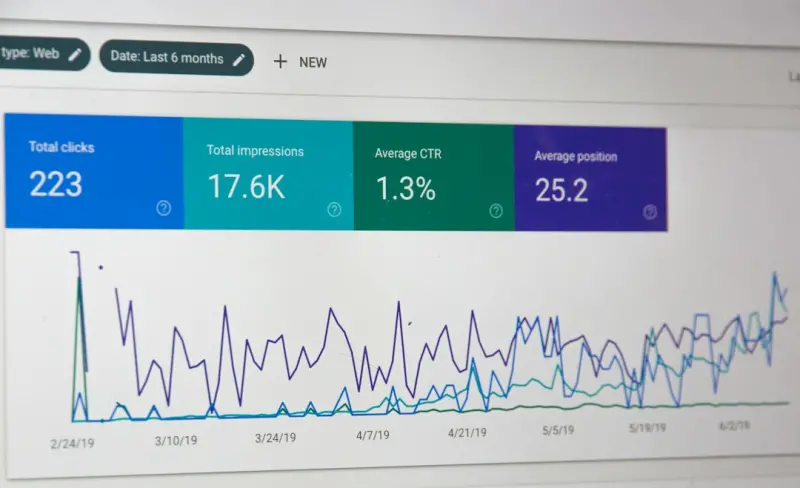
- Performance Report. Identify high‑impression keywords that have low click‑through rates (CTRs). Tweak meta titles and descriptions to be more compelling for the professional audience.
- Index Coverage. Spot crawl errors that might affect enterprise clients (e.g., blocked resources from Azure CDN).
- SEO Reports – Keyword & URL Suggestions. Bing’s AI will surface keyword variations based on your existing content. Use these insights to expand your topic clusters.
Combine these insights with your internal analytics to create a feedback loop that constantly improves both content relevance and technical health.
Case Study: How a Mid‑Market SaaS Company Gained 40% More Qualified Leads via Bing
Company X, a workflow automation platform, traditionally relied on Google Ads for lead generation. After a six‑month pilot focusing on Bing SEO, they saw the following results:
- Organic traffic increase. 27% rise in sessions from Bing, with an average session duration 1.8x longer than Google‑sourced traffic.
- Higher conversion rate. Leads from Bing converted at 12% versus 8% from Google organic, likely due to the enterprise intent of Bing users.
- Cost reduction. By shifting 30% of their paid spend to Bing Ads (which have lower CPC), they saved $15K per quarter while maintaining lead volume.
The secret? A blend of semantic authority (through robust topic clusters) and leveraging LinkedIn shares to amplify content signals. You can read more about the tactics they used in our developer experience guide, which emphasizes the importance of creating content that resonates with technical decision‑makers.
Privacy‑First SEO: Aligning Compliance with Bing’s Trust Signals
Microsoft’s ecosystem places a premium on data protection. Here’s how to turn compliance into a ranking advantage:
- Transparent privacy policies. Host them on a dedicated, HTTPS‑secured page and link from the footer of every site page.
- Cookie consent management. Use a solution that respects the EU‑US Privacy Shield and informs Bingbot of your consent status.
- Data residency declarations. If you store customer data in Azure regions, mention it on your security page. Bing indexes these statements as trust cues.
By treating privacy as an SEO asset, you not only satisfy regulators but also win favor with Bing’s algorithmic trust model.
Future‑Proofing Your Bing Strategy: What’s on the Horizon?
While Bing doesn’t have the same “big‑update” hype as Google, Microsoft is quietly innovating. Expect the following trends to shape B2B search over the next few years:
- Deeper integration with Microsoft Teams. Search queries will increasingly surface results directly inside Teams channels, meaning content must be optimized for conversational retrieval.
- AI‑generated snippets. Bing’s AI will start pulling data from SaaS documentation portals to answer technical questions in real time. Structured data and FAQs become critical.
- Voice and ambient search. Enterprise devices running Windows 11 are adding voice assistants that default to Bing. Crafting natural‑language answers will boost discoverability.
Staying ahead means keeping your content conversational, well‑structured, and tightly coupled with the Microsoft product suite.
Takeaway Checklist: Your First 30‑Day Bing SEO Sprint
Use this condensed action plan to hit the ground running:
- Audit technical health with Bing Webmaster Tools – fix crawl errors and improve Core Web Vitals.
- Map out three pillar topics and create supporting sub‑articles, each enriched with schema.
- Publish LinkedIn long‑form posts that echo your pillar content and encourage employee advocacy.
- Implement privacy‑first signals: SSL, clear privacy policy, cookie consent, and Azure data residency notes.
- Optimize for featured answer boxes by writing concise, bullet‑point answers within the first 100 words.
- Track keyword performance in BWT and iterate meta tags for higher CTR.
- Set up a monthly review to align new AI‑driven Bing features with your content calendar.
By the end of the month you’ll have a stronger foothold in an often‑ignored search engine, a clearer line to enterprise decision‑makers, and a measurable boost in qualified leads.
Final Thoughts
In the noisy world of SEO, the smartest marketers look for “low‑hanging fruit” that delivers outsized ROI. Bing, with its enterprise‑centric user base, deep Microsoft integration, and less‑crowded keyword landscape, is exactly that fruit for B2B SaaS companies.
If you’ve been putting all your energy into Google, consider this an invitation to diversify. Start with a technical audit, build semantic authority, and let Bing’s trust signals work in your favor. The result? A more resilient, multi‑channel organic strategy that can weather algorithm changes and deliver consistent, high‑intent traffic.

Laura Wilson is a freelance writer specializing in the dynamic and ever-evolving field of health. With a passion for translating complex medical information into accessible and engaging content, Laura brings a wealth of knowledge and a fresh perspective to topics ranging from preventative care and nutrition to cutting-edge research and innovative treatments.
Related Posts
Bing SEO Playbook for B2B SaaS Leaders
A deep dive into Bing’s unique ranking signals, structured data, visual search, and Edge‑first p... Read More
Cracking Bing’s AI Answers: A Tactical Guide for SaaS Marketers
Bing’s AI answer engine offers a high‑value, low‑competition channel for SaaS firms. This guid... Read More
Bing SEO: A Comprehensive Guide to Optimizing for Bing
Learn the ins and outs of Bing SEO and develop a comprehensive strategy to improve your online prese... Read More
Top Posts

The Unseen Saboteurs: Mistakes Everyone Makes When Brewing Coffee at Home
For many, the morning ritual of brewing coffee at home is a cherished moment, a quiet prelude to the day's demands. Yet, despite the widespread adoption of home...Read More

ChatGPT as Your Everyday Storytelling Sidekick
Explore how ChatGPT can become a creative co‑pilot, helping you brainstorm, refine voice, and streamline publishing—without losing the personal touch that d...Read More
The LinkedIn Playbook: Turning Connections into Creative Capital
Learn to turn LinkedIn into a vibrant creative hub. From crafting magnetic profiles to leveraging data and storytelling, this guide reveals actionable steps for...Read More

The Intersection of Technology and Sustainable Living: A New Era of Digital Tools
The intersection of technology and sustainable living is complex and multifaceted. Discover how digital tools are promoting sustainable living and creating a mo...Read More
0 Comments
Post Comment
You will need to Login or Register to comment on this post!