

Why SEO Needs a Resilience Mindset
When I first started optimizing sites, I treated every algorithm update like a surprise party—except nobody handed out cake. One day the rankings would soar, the next they'd nosedive, and I was left scrambling for a reason. Over the years I’ve learned that SEO isn’t a sprint; it’s a marathon on a shifting terrain. The real competitive edge isn’t ranking #1 for a single keyword; it’s staying visible when the search landscape trembles.
Understanding the Volatility Curve
Search engines are constantly refining how they evaluate relevance. From core ranking signals to the subtle weight they give to user‑experience metrics, the “volatility curve” describes three phases:
- Baseline stability: Your site enjoys predictable traffic after initial optimization.
- Shockwaves: A core update or new SERP feature (e.g., featured snippets, video carousels) reshapes the ranking math.
- Recovery or decline: Sites that adapt quickly regain ground; those that don’t fall further behind.
Instead of fearing the shockwaves, I now treat them as opportunities to audit, iterate, and emerge stronger.
Diversify Your Ranking Portfolio
Just like a financial advisor would tell you to spread your investments, I advise you to spread your ranking assets across multiple channels:
- Keyword clusters rather than single‑keyword pages. This creates a web of topical relevance that cushions a hit to any one term.
- Multiple SERP formats: Aim for snippets, “People also ask” boxes, image packs, and even local packs when relevant.
- Alternative search platforms: While Google dominates, platforms like Bing, DuckDuckGo, and even emerging visual search engines can contribute meaningful traffic. A quick read on search beyond the main engine reminded me how a single well‑optimized product image can generate a steady stream from a visual search service.
Technical Foundations That Withstand Updates
Technical health is the bedrock of resilience. If Google can’t crawl your site, no amount of great copy will help. Here are the non‑negotiables I keep on my checklist:
- Fast, secure hosting. A site that loads in under two seconds not only pleases users but also signals quality to crawlers. For a deep dive on pairing performance with privacy considerations, see privacy‑first web hosting.
- Clean URL structure: Keep URLs short, descriptive, and free of unnecessary parameters.
- Robust schema markup: Structured data helps search engines understand context, reducing the chance of misinterpretation after a core update.
- Mobile‑first design: Google’s index is mobile‑first; ensure your responsive breakpoints are smooth and that touch targets are appropriately sized.
UX Signals: The Quiet Power Behind Rankings
Search engines are getting smarter about measuring real user satisfaction. Metrics like dwell time, scroll depth, and interaction rates are quietly influencing rankings. My approach:
- Use progressive web app techniques to deliver instant content without full page reloads.
- Implement lazy loading for images and videos to keep initial load times low while still offering rich media.
- Adopt a content hierarchy that guides the eye—headings, bullet points, and highlighted pull quotes keep readers engaged longer.
When users stay longer and interact more, the algorithm interprets that as trust, which cushions you against abrupt ranking drops.
Future‑Proofing with Structured Data & Knowledge Graphs
One of the most underutilized resilience tools is the knowledge graph. By feeding search engines explicit relationships between entities, you reduce reliance on ambiguous textual cues that can shift with each update. Here’s what I prioritize:
- FAQ schema: Turns common queries into instant answers, increasing visibility in the “People also ask” section.
- Product schema: Especially valuable for e‑commerce; it supplies price, availability, and review data directly to SERPs.
- Article schema: Highlights author, publish date, and headline—critical when Google evaluates freshness.
Even if a core update changes how content is weighted, the explicit data points you’ve supplied stay consistent, offering a safety net.
Community, Authority, and the Human Touch
Algorithmic changes often target manipulative link schemes. The antidote is genuine authority:
- Publish in‑depth case studies that solve real problems for your audience. Long‑form, data‑backed pieces tend to earn natural backlinks.
- Engage on industry forums and niche communities. When you answer questions authentically, you build brand trust that search engines can detect through brand mentions.
- Leverage modern WordPress architecture to streamline content workflows, ensuring you can publish quickly without sacrificing quality.
Practical Resilience Checklist
- Audit core signals quarterly: crawl errors, mobile usability, page speed.
- Map keyword clusters and identify at least three SERP features to target per pillar topic.
- Implement or update schema on every high‑traffic page.
- Monitor user‑experience metrics in Google Search Console’s “Core Web Vitals” and heat‑map tools.
- Schedule a backlink health review—remove toxic links and nurture relationships with reputable sites.
- Document every major algorithm update and note any traffic fluctuations; use this history to inform future strategy.
Closing Thoughts
SEO volatility will never disappear, but the fear it generates can. By building a diversified ranking portfolio, cementing technical health, and championing authentic authority, you transform each algorithm update from a crisis into a checkpoint. Remember, search engines ultimately want to serve users the most helpful, trustworthy content. When you align your strategy with that mission, resilience becomes a natural byproduct—not a frantic after‑the‑fact repair.

Freelance writer with a flare for everything. I am passionate about topics I write crafting stories and compelling content that connect with audiences. Journeying through the realms of creativity as a freelance creator. #WriterLife #ContentCreator
Related Posts

Online Directory Submissions - Will They Help or Hurt Your Small Business?
n the vast and ever-evolving digital marketing landscape, small business owners are constantly seeki... Read More

Turn Your SaaS Knowledge Base into an SEO Powerhouse
Discover a step‑by‑step strategy to turn your SaaS knowledge base into an SEO magnet, driving or... Read More
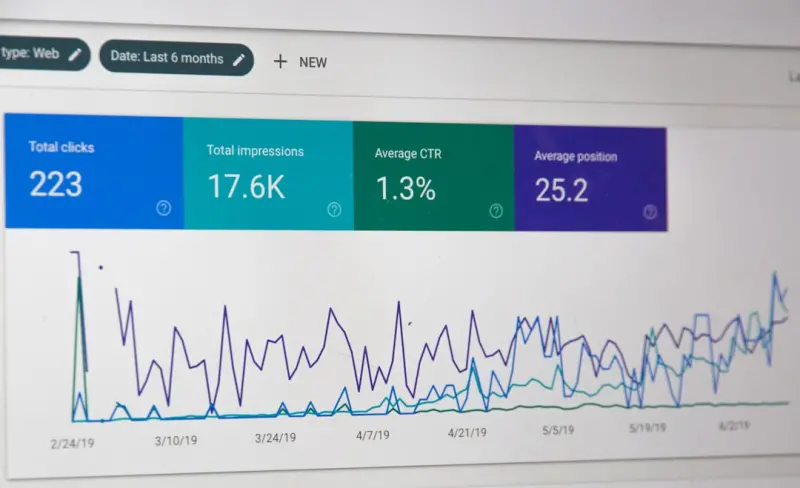
Future‑Proof SEO: Voice, Visual & AI Search Strategies
SEO has moved beyond keywords. This post explores the rise of voice, visual, and AI‑generated sear... Read More
Top Posts

How a Virtual Private Server Can Supercharge Your SaaS Launch
A Virtual Private Server blends dedicated performance with cloud flexibility, making it an ideal launchpad for early‑stage SaaS. Learn how to set up, secure, ...Read More

The Evolution of Google SEO: A Comprehensive Guide to Sustainable Digital Strategy
The world of Google SEO is evolving rapidly, and sustainable living is at the forefront of this change. Learn how to create eco-friendly digital strategies that...Read More
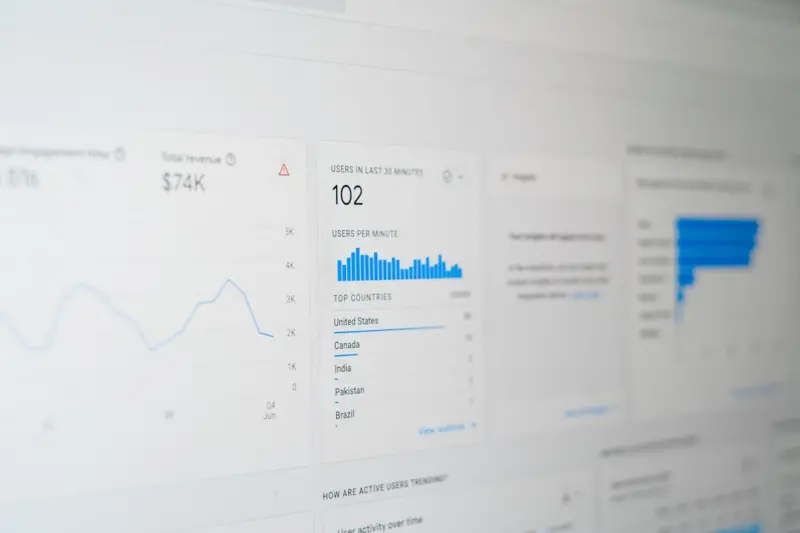
Beyond Google: Mastering SEO for Emerging Search Platforms
Explore fresh SEO strategies that go beyond Google, leveraging emerging platforms like TikTok and Reddit to drive traffic and authority....Read More

Remodeling Memory: The Integrated Transformation of Dementia Research and Care
Dementia, a constellation of progressive neurological conditions characterized by cognitive decline and functional impairment, represents one of the most formid...Read More
0 Comments
Post Comment
You will need to Login or Register to comment on this post!