
Why the Future of SEO Is No Longer About Keywords Alone
When I first started tinkering with search engines, the mantra was simple: find the right keywords, sprinkle them everywhere, and watch the rankings climb. It worked—until it didn’t. Search engines have evolved from static crawlers into dynamic, AI‑powered assistants that understand intent, context, and even the tone of a conversation. If you’re still optimizing for the keyword‑centric era, you’re essentially trying to sell a rotary phone in a smartphone world.
The Three Emerging Search Paradigms You Can’t Ignore
In the next wave of organic discovery, three forces are reshaping how users find information:
- Voice Search & Conversational AI – Think Alexa, Google Assistant, and the new generation of chat‑based search interfaces. Users ask questions the way they’d ask a colleague, not the way they’d type a query.
- Visual Search & Augmented Reality – From Google Lens to Pinterest Lens, images are becoming searchable assets. A user can snap a product photo and instantly receive buying options.
- AI‑Generated Summaries & Knowledge Panels – Large language models (LLMs) are curating answers directly in the SERP, reducing the need to click through to a website.
Each of these paradigms demands a fresh SEO strategy—one that goes beyond stuffing keywords and dives into data, semantics, and user experience.
1. Voice Search: Optimizing for Human Conversation
Voice queries are longer, more natural, and often framed as a question. According to recent studies, over 40 % of adults use voice assistants multiple times a day. This isn’t a niche; it’s a mainstream behavior that reshapes the search landscape.
Shift From Short‑Tail to Long‑Tail Conversational Phrases
Instead of targeting “SEO tools,” you should aim for phrases like “what’s the best SEO tool for a small SaaS startup?” or “how can I improve my website’s voice search ranking?” These long‑tail queries capture the intent behind a spoken request.
Structure Content Like an Answer Engine
Voice assistants pull concise answers from featured snippets or dedicated answer boxes. To position your content there:
- Start each article with a clear, direct answer to the core question—ideally within the first 30 words.
- Use FAQ schema to mark up question‑and‑answer pairs.
- Employ natural language and avoid overly technical jargon unless the audience explicitly expects it.
Local Intent Still Matters
Many voice searches are “near me” queries. Even if you’re a B2B SaaS company, you might rank for “best SEO consultancy near me” when prospects search for local experts. Ensure your Google Business Profile is up to date and embed location data in your site’s schema.
2. Visual Search: Let Your Images Speak Volumes
Images have always been a supporting element of SEO, but visual search flips the script: the image becomes the query.
Optimizing Image Assets for Discoverability
- Give each image a descriptive, keyword‑rich file name (e.g.,
seo-dashboard-analytics.png). - Write concise alt text that explains the image’s purpose, not just its appearance.
- Implement structured data for products or creative works so that platforms like Google Lens can index them accurately.
Leverage User‑Generated Visual Content
If your SaaS platform allows customers to generate visual reports or dashboards, encourage them to share those images publicly (with proper attribution). This creates a network of “organic visual backlinks” that can boost visibility in visual search results.
Augmented Reality (AR) as an SEO Frontier
While still nascent, AR overlays are becoming searchable. Think of a virtual “try‑on” for a UI theme or a 3D walkthrough of a software feature. Tag these AR assets with ARCore/ARKit metadata and embed them in an <model-viewer> tag to make them indexable.
3. AI‑Generated Summaries: Winning the Knowledge Panel Game
Large language models are now capable of generating concise, authoritative summaries directly on the SERP. If your brand can secure a knowledge panel or become the primary source for an AI‑generated answer, you’ll capture traffic without a click.
Establish Entity Authority
Search engines treat entities (people, companies, products) as data points. To become the go‑to entity:
- Maintain a comprehensive “About” page with structured data (
Organizationschema). - Publish authoritative content that other reputable sites cite.
- Encourage mentions in industry reports, podcasts, and webinars—these are signals of real‑world authority.
Content Clustering for AI Summaries
Instead of isolated blog posts, build topic clusters that cover a subject from multiple angles (e.g., “Voice Search Optimization” pillar page with supporting posts on schema, local SEO, and conversational content). This architecture helps AI models see your site as a comprehensive source, increasing the chance of being selected for a generated answer.
Signal Your Trustworthiness
Trust signals matter more than ever. Turning On-Page SEO Into a Trust Engine explores how credibility can be baked into every page. Combine that with transparent data policies, clear author bios, and verified backlinks to convince both users and AI that your content is reliable.
Putting It All Together: A Practical SEO Lab Blueprint
To move from theory to execution, I like to treat SEO as a continuous experiment rather than a set‑and‑forget checklist. Here’s a step‑by‑step lab you can set up today:
Step 1: Identify Conversational Keywords
Use tools that surface natural language queries (e.g., AnswerThePublic, Google’s “People also ask”). Compile a spreadsheet of questions your target audience asks, and prioritize those with clear commercial intent.
Step 2: Build Structured Data Templates
Create reusable JSON‑LD snippets for FAQs, product pages, and organization info. Deploy them across your CMS so every new piece of content automatically includes the right markup.
Step 3: Optimize Visual Assets
Run a bulk image audit: rename files, add alt text, and generate WebP versions for faster loading. Then, use a visual search testing tool (like Google Lens) to verify that your images appear in search results.
Step 4: Create an AI‑Ready Content Cluster
Pick a high‑value topic (e.g., “Voice Search for SaaS”). Publish a pillar page that outlines the entire landscape, then spin off deeper articles that each answer a specific question. Interlink them heavily and use rel="canonical" to avoid duplicate content.
Step 5: Measure, Iterate, and Scale
Track three core metrics:
- Zero‑Click Rate (ZCR) – the percentage of impressions that result in a featured snippet or answer without a click.
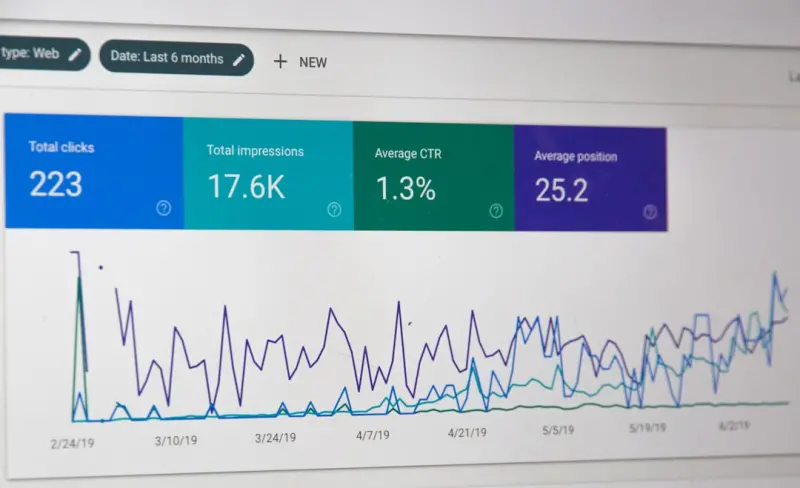
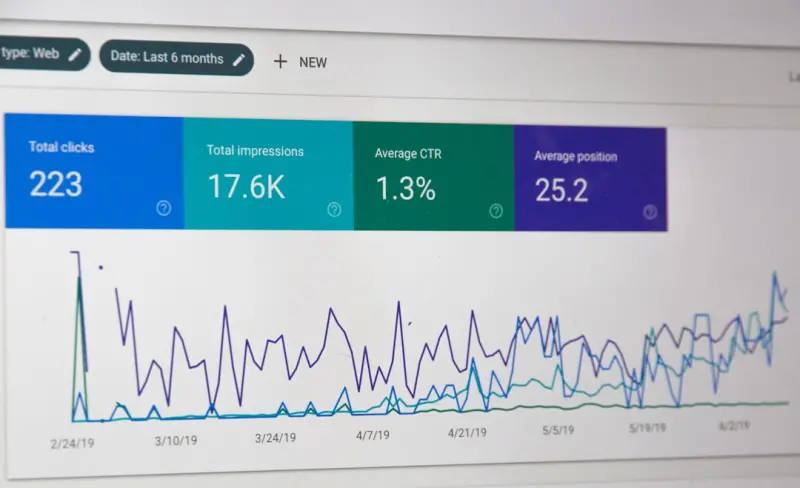
- Visual Search Visibility – use Google Search Console’s “Performance” report to see impressions from image search.
- Entity Authority Score – monitor branded searches, knowledge panel appearances, and citation volume.
Adjust your strategy based on what moves the needle. Remember, SEO is no longer a sprint; it’s a marathon powered by data.
Why This Matters for SaaS Leaders
As a SaaS founder, you’re already focused on product‑market fit, churn reduction, and revenue growth. SEO should be the silent growth engine that fuels qualified leads without the constant ad spend. By embracing voice, visual, and AI paradigms, you future‑proof your organic channel and create a resilient brand presence that survives algorithm updates.
If you’re looking for real‑world examples of how to turn on‑page tactics into trust, check out Beyond Snippets: Mastering SERP Features for SaaS Growth. Those insights, combined with the emerging search trends outlined here, will give you a competitive edge that’s hard to replicate.
In short, the next generation of SEO isn’t about chasing the perfect keyword density—it’s about speaking the language of humans (and their AI assistants), making your visual assets searchable, and establishing undeniable authority. Start building your SEO lab today, and watch the organic traffic flow in a way that feels less like luck and more like science.

Brad Hays is a freelance writer known for his versatile skill set and ability to craft compelling content across a wide range of industries.
Related Posts

Online Directory Submissions - Will They Help or Hurt Your Small Business?
n the vast and ever-evolving digital marketing landscape, small business owners are constantly seeki... Read More

AI‑Driven Search Intent: Redefining SEO Strategy
Explore the next evolution of SEO with AI‑driven search intent modeling—learn why keywords alone... Read More

Voice‑First and Multimodal Search: The Next SEO Frontier
Explore the rise of voice‑first and multimodal search, learn how to adapt your content with conver... Read More
Top Posts
Navigating AI-Evaluated Content in Modern SEO
This post breaks down the rise of AI‑driven content evaluation, offers practical steps for intent clustering, expertise attribution, structured data, and data...Read More

Micro-Adventure Wellness: Tiny Trips, Massive Health Payoff
Micro‑adventure wellness turns short, local outings into powerful health boosts, offering mental clarity, physical activity, and social connection in just min...Read More

What Are the Challenges that Businesses Face When Building Their Blog and Online Presence?
In today's digital age, having a strong online presence is crucial for businesses of all sizes and industries. One of the most effective ways to establish and m...Read More

5 Tips to Help You Buy Men's Jewelry
In an era where personal expression is celebrated more than ever, men's jewelry has evolved far beyond the classic watch or wedding band. From statement necklac...Read More
0 Comments
Post Comment
You will need to Login or Register to comment on this post!