
Why the SERP Landscape Is Your Next Growth Frontier
When most marketers think about search, they picture a list of blue links and a frantic scramble for rankings. The truth is far richer: today’s Search Engine Results Pages (SERPs) are dynamic ecosystems packed with features that can turn a simple query into a brand showcase. For SaaS leaders, mastering these features isn’t a nice‑to‑have—it’s a competitive imperative.
From Static Lists to Interactive Experiences
Ten years ago, the SERP was a blunt instrument: you ranked, you got clicks. Now it’s a multi‑layered canvas where structured data, AI‑driven snippets, and real‑time signals work together to decide which brand gets the spotlight. The shift from pure “organic list” to “interactive experience” means that the traditional keyword‑centric playbook is missing the biggest pieces of the puzzle.
The Structured Data Engine: Your Ticket to Rich Results
Google and its rivals reward content that speaks their language. By embedding tactical on‑page SEO guide techniques—JSON‑LD, schema.org vocabularies, and micro‑formats—you unlock a suite of rich results: FAQ blocks, how‑to cards, product carousels, and event timelines. These aren’t just decorative; they command real estate above the fold, often pushing your brand past the “zero‑click” barrier.
People Also Ask (PAA): Turning Curiosity into Conversation
The PAA widget is a goldmine for SaaS companies because it surfaces the exact questions your prospects are asking. By crafting concise, authoritative answers that directly address these queries, you can appear multiple times on a single results page. The trick is to align your content with the underlying intent—whether it’s “how to integrate a CRM API” or “best practices for user onboarding metrics”. When done right, a single PAA snippet can drive traffic, brand trust, and even direct demo requests.
Knowledge Panels: Establishing Authority at a Glance
Knowledge panels pull data from verified sources to present a snapshot of a company, person, or product. For SaaS firms, a well‑curated panel can showcase funding, key personnel, and flagship solutions—all without a click. To influence this panel, maintain a strong presence on official sites (your corporate website, Wikipedia, Crunchbase) and ensure that your schema markup accurately reflects your business facts. Consistency across the web is the signal search engines trust.
Video Carousels and Image Packs: Visual Storytelling in Search
Video has become a dominant SERP feature, especially for complex SaaS concepts that benefit from demos. Embedding a short explainer video on your landing page and tagging it with VideoObject schema can earn you a spot in the video carousel, reaching users who would otherwise skim text. Similarly, image packs—when paired with descriptive alt text and structured data—can surface product screenshots, UI mockups, or infographics, reinforcing brand recall.
Measuring Success Beyond Rankings
Traditional SEO metrics—rankings and backlinks—still matter, but they’re insufficient for SERP‑centric goals. Focus on:
- Impression Share of Featured Elements: How often does your brand appear in a rich snippet, PAA box, or knowledge panel?
- Click‑Through Rate (CTR) on SERP Features: Even without a classic organic link, a well‑crafted FAQ snippet can generate clicks.
- Dwell Time and Engagement: Users who land on a page after interacting with a rich result tend to stay longer, signaling relevance to the algorithm.
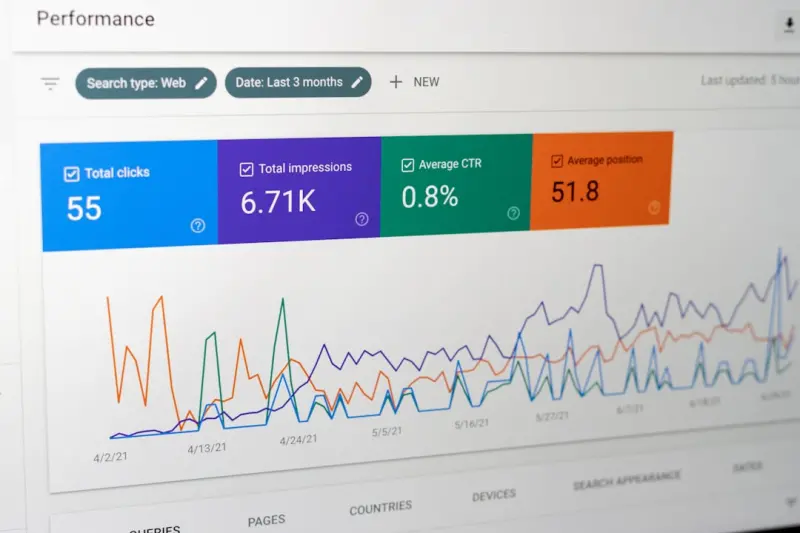
Tools like Google Search Console now expose “Performance” data for these features, allowing you to iterate with precision.
Integrating SERP Strategy with Your SaaS Content Engine
Think of your content engine as a factory that produces three types of outputs: educational assets, conversion‑focused pieces, and authority signals. Each output feeds a different SERP feature:
- FAQ pages → PAA snippets
- Step‑by‑step guides → How‑to cards
- Product pages with schema → Rich product carousels
- Company story & leadership bios → Knowledge panels
By mapping content types to SERP opportunities, you ensure that every piece you publish has a clear path to visibility.
Practical Checklist: Getting SERP‑Ready in 30 Days
Use this sprint‑style checklist to bring your SERP game up to speed:
- Audit Existing Schema: Run a tool like Screaming Frog or Schema Markup Validator on your top 20 pages.
- Identify High‑Intent Queries: Pull “People Also Ask” data for your core keywords and draft concise answers.
- Produce Structured Content: Create dedicated FAQ pages, how‑to guides, and product feature tables with proper markup.
- Leverage Video: Record 60‑second demos for your flagship features and embed with
VideoObjectschema. - Update Business Listings: Verify and enrich your Google Business Profile, Crunchbase, and Wikipedia entries.
- Monitor SERP Feature Performance: Set up custom reports in Search Console to track impressions and CTR for each feature.
- Iterate: Every two weeks, refine answer copy, adjust schema, and test new content formats.
Future Trends: AI‑Generated SERPs and Hyper‑Personalization
Search is already moving toward personalized result sets that factor in user history, location, and even device context. With large language models (LLMs) powering answer generation, the line between organic listings and AI‑crafted snippets blurs. SaaS marketers who invest in semantic depth—by answering “why” and “how” at a conceptual level—will be better positioned to appear in these AI‑driven answers. Think of your content as a knowledge graph node rather than a static page.
Case Study: Turning a Simple FAQ Into a Lead Magnet
One mid‑size SaaS firm rewrote its top 10 product FAQs using concise, schema‑enabled answers. Within a month, the brand started appearing in the PAA widget for queries like “how to set up automated billing SaaS”. The resulting CTR on those snippets jumped to 12%, and MQLs from organic search rose 18%—all without a single change to its backlink profile.
Conclusion: SERPs Are No Longer a Destination, They’re a Journey
In the era of AI, zero‑click interactions, and hyper‑personalized search, the SERP is the first touchpoint of a brand story. By treating each feature as a stage in that story—structured data as the script, rich snippets as the actors, and engagement metrics as the audience response—you can convert passive searchers into active prospects. The roadmap is clear: audit, enrich, align, and measure. The SERP frontier is waiting, and the brands that claim it today will shape the search experience of tomorrow.

Jimmy Anand is a content creator that gets inspired by many aspects of life, internet or whatever inspires him at that moment. When he's not online he's gaming and when he is not gaming he is online trolling discussion boards.
Related Posts
Beyond the First Page: Rethinking SERP Strategies for the Attention Economy
The SERP has evolved from a static list of links into a dynamic, attention‑focused ecosystem. This... Read More
Zero‑Click SERPs: Turning Invisible Rankings into Tangible Opportunities
Zero‑click SERPs are reshaping how B2B SaaS brands get discovered. This post explains how to map i... Read More
When SERPs Get Personal: Navigating Hyper‑Tailored Search in the Age of AI
Hyper‑personalized SERPs are redefining how SaaS companies get found. This post breaks down the AI... Read More
Top Posts

Micro‑Networking: Turning Small Gatherings Into Big Opportunities
Explore the power of micro‑networking, design purposeful touchpoints, and use digital tools to turn small, intimate gatherings into lasting professional oppor...Read More

ChatGPT as the Quiet Co‑Pilot for B2B SaaS Product Discovery
Laura Wilson shares her hands‑on experience turning ChatGPT into a quiet co‑pilot for product discovery, offering practical prompts, workflow integrations, ...Read More

Structured Play: Boosting Pet Smarts & Owner Joy
Learn to turn everyday play into a structured, brain‑boosting routine that benefits both your pet’s cognition and your own well‑being, using easy‑to‑f...Read More

The Green Giant: How Sustainable Living is Revolutionizing Google
Google is leading the charge towards a more sustainable future, and its commitment to eco-friendly practices is setting a precedent for others to follow. Learn ...Read More
0 Comments
Post Comment
You will need to Login or Register to comment on this post!