
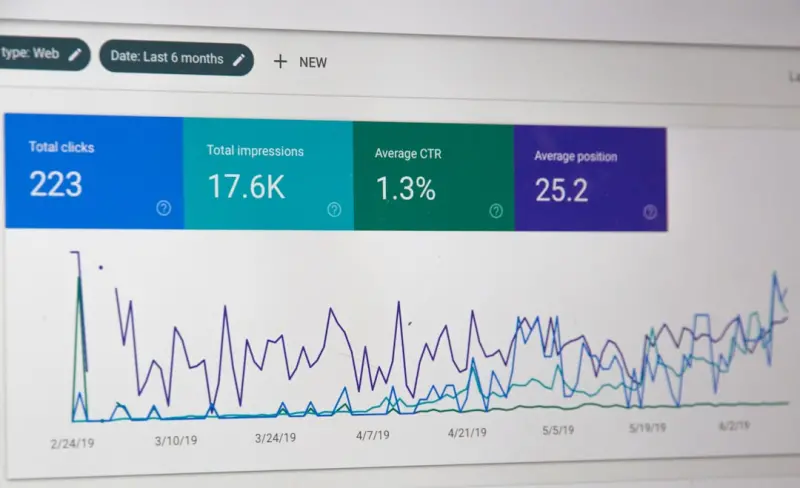
Why Zero‑Click SERPs Are the New Frontier for B2B SaaS
When I first saw my own brand name appear in a Google Knowledge Panel without ever clicking through, I felt a mix of excitement and confusion. Zero‑click SERPs—those results that answer a query right on the search page—are no longer a novelty; they’re becoming the default experience for many users. For B2B SaaS companies, this shift means the traditional “rank‑and‑wait” mindset is outdated. The real battle now is for visibility in the answer space, not just the top organic link.
Understanding the Zero‑Click Landscape
Google, Bing, and even emerging AI‑driven search engines have built layers of instant answers: featured snippets, People Also Ask (PAA) boxes, video carousels, and knowledge panels. According to recent data, over 60% of all searches never result in a click. That statistic is a wake‑up call: if your content isn’t the answer, you’re effectively invisible.
But the zero‑click world isn’t a death sentence for traffic; it’s a new kind of traffic. Users still engage—by watching a video, copying a phone number, or clicking a “Learn More” link embedded in the answer. The key is to design content that commands that engagement.
Mapping Search Intent to SERP Features
Every SERP feature corresponds to a specific user intent:
- Featured Snippets – “I need a concise answer now.”
- People Also Ask – “I’m exploring related concepts.”
- Knowledge Panels – “I’m looking for brand authority.”
- Video Carousels – “I prefer visual walkthroughs.”
- Local Packs – “I need a nearby solution.”
For B2B SaaS, the most valuable intents are informational (researching a problem) and navigational (seeking a vendor). By aligning your content assets with these intents, you can insert yourself directly into the SERP.
Building Snippet‑Ready Content
Creating content that Google loves to lift into a snippet is both an art and a science. Here’s my step‑by‑step cheat sheet:
- Identify the target question. Use tools like AnswerThePublic, Ahrefs Keywords Explorer, or the PAA box itself to discover the exact phrasing users employ.
- Structure the answer. Use a clear, concise paragraph (40‑50 words) that directly answers the query, followed by an optional list or table for clarity.
- Leverage HTML semantics. Mark up headings (
<h2>,<h3>), bullet points, and tables with proper tags. Search engines skim these markers. - Include authoritative citations. Link to reputable sources or your own research data; it signals trustworthiness.
- Optimize for readability. Use short sentences, active voice, and avoid jargon unless it’s part of the query.
When done right, your paragraph can appear as a featured snippet and drive brand awareness without a single click.
Elevating Your Knowledge Panel Presence
Knowledge panels are the crown jewels of zero‑click SERPs. They give your brand a mini‑homepage right on Google’s front page. To claim a spot:
- Verify your Google Business Profile (or the equivalent for SaaS, a verified brand entity).
- Maintain a consistent NAP (Name, Address, Phone) across all online listings, even if you’re a purely digital product.
- Publish structured data (JSON‑LD) for your organization, product, and FAQs. Google’s schema.org guides make this straightforward.
- Earn high‑quality backlinks from reputable publications; they reinforce authority in Google’s algorithm.
Once your panel is live, you control the narrative: a succinct tagline, a star rating from third‑party review sites, and a call‑to‑action button that can lead straight to a free trial page.
Turning People Also Ask into a Funnel
Many B2B marketers overlook the PAA box as a low‑hanging fruit. Each question in the list expands to a concise answer sourced from a page you control—if you’re the first to answer it. Here’s how to dominate:
- Compile a question bank from existing PAA results for your core keywords.
- Write dedicated, stand‑alone pages for each question, optimized for the exact phrasing.
- Include a short intro that answers the question within the first 50 words—Google will likely pull that snippet.
- Use internal linking to guide readers deeper into your site (e.g., “Learn how our onboarding automation solves X in our detailed guide”).
Each PAA answer becomes a micro‑landing page, a tiny but powerful entry point into your conversion funnel.
Video Carousels: The Untapped B2B Asset
While video is often associated with consumer brands, B2B SaaS can harness video carousels for zero‑click impact. When a user sees a thumbnail preview, they’re more likely to watch the video directly on the SERP. To make it happen:
- Produce short (30‑seconds) “explainer” clips that answer common questions (e.g., “How does our API handle rate limiting?”).
- Upload to YouTube with SEO‑optimized titles and descriptions that match target queries.
- Embed structured data (
VideoObject) on the hosting page to help Google surface the video in carousels.
Even if the user doesn’t click through to your site, the visual brand exposure builds trust and reinforces top‑of‑mind awareness.
Measuring Success in a Zero‑Click World
Traditional SEO metrics—organic traffic and keyword rankings—don’t capture the full picture when users stay on the SERP. Instead, track:
- Impression Share in SERP Features: Tools like SEMrush and Ahrefs now provide data on snippet and PAA impressions.
- Engagement Signals: Click‑throughs from the Knowledge Panel, video watch time, and “Call” button clicks.
- Brand Lift: Survey users to gauge awareness before and after a SERP feature win.
- Conversion Attribution: Use UTM parameters on “Learn More” links embedded in snippets to tie downstream actions back to the zero‑click source.
When you combine these metrics, you can demonstrate ROI for content investments that never generate a conventional click.
Case Study: From Obscurity to Authority via Featured Snippets
One of our SaaS clients—an API monitoring platform—was stuck at page 3 for “API latency monitoring”. By repurposing an existing technical guide into a concise, 45‑word answer and adding a table of latency thresholds, they secured a featured snippet. Within a month, brand‑search queries rose 27%, and the “Free Trial” CTA embedded in the snippet generated 150 additional trial sign‑ups—without a single organic click.
The lesson? Strategic brevity beats content volume. A single, well‑crafted snippet can out‑perform dozens of blog posts in terms of brand impact.
Integrating Zero‑Click Tactics with Your Existing SEO Playbook
Don’t treat zero‑click optimization as a silo. It’s an extension of your broader SEO strategy. Here’s a quick integration checklist:
- Audit Current Content for snippet opportunities—look for pages that already rank in the top 10 and could be condensed into a direct answer.
- Map Each Core Keyword to a SERP feature (snippet, PAA, panel) based on intent.
- Update the Content Hub to include short, answer‑first sections that feed both traditional rankings and zero‑click features.
- Leverage Structured Data across all pages—schema.org markup is the bridge between your site and Google’s answer engine.
- Monitor Feature Performance alongside standard keyword rankings; adjust tactics as Google’s algorithms evolve.
For a deeper dive into structured data and intent alignment, check out our Semantic SEO Playbook. It walks through schema implementation and semantic clustering, both critical for zero‑click success.
Future‑Proofing: AI‑Generated SERPs and the Role of Prompt Engineering
Google’s AI‑driven answer engine is getting smarter. Soon, the SERP will not just surface static snippets but dynamically generated answers based on user prompts. While that sounds intimidating, it also opens a new arena: prompt optimization. By understanding how large language models parse your content, you can shape the language they use to answer queries.
Start experimenting now:
- Write content in a conversational tone, mirroring the questions users ask.
- Include multiple variations of the same answer—this gives the AI more material to draw from.
- Use “question‑answer” schema (
FAQPage) to explicitly signal Q&A pairs.
As AI‑generated SERPs mature, the brands that have already mastered zero‑click optimization will find it easier to influence those dynamic answers.
Takeaway: Own the Zero‑Click Real Estate
Zero‑click SERPs are not a threat; they’re a fresh canvas. By mapping intent, crafting snippet‑ready content, and embracing structured data, B2B SaaS companies can turn “no click” into “no doubt” about their expertise. The future of search is moving from click‑bait to answer‑first, and the smartest marketers will be the ones who own that answer space today.

Armed with a degree in English Literature, Jill’s journey into the digital space wasn't just a career move; it was a natural extension of her lifelong love affair with storytelling. While some writers view search engine optimization (SEO) as a rigid constraint, Jill sees it as a creative puzzle. She understands the delicate art of balancing the algorithmic demands of search engines with the human desire for resonance, emotion, and value. To Jill, keywords aren't just targets to hit; they are the breadcrumbs that lead eager readers straight to the answers they’ve been searching for.
Related Posts
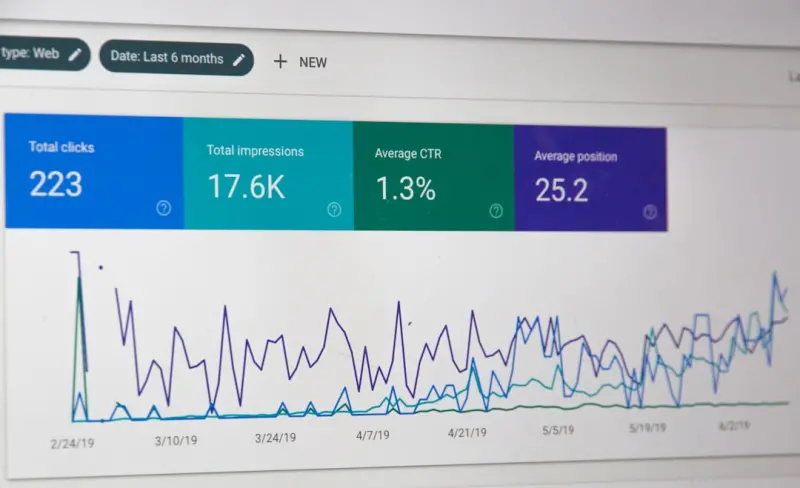
Beyond the First Page: Rethinking SERP Strategies for the Attention Economy
The SERP has evolved from a static list of links into a dynamic, attention‑focused ecosystem. This... Read More

The Evolution of SERPs: Navigating the Changing Landscape of Search Engine Results
The evolution of SERPs is a complex and ever-changing landscape. Stay up-to-date on emerging trends ... Read More
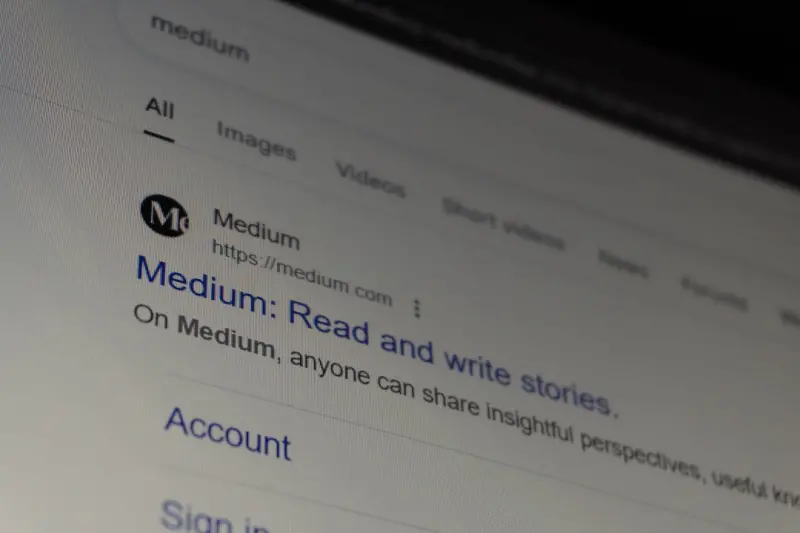
Mastering SERP Features: Turning Zero‑Click Searches into SaaS Growth Engines
Learn why modern SERP features are more valuable than traditional rankings and get a step‑by‑ste... Read More
Top Posts

Curated Gifting: Turning Presents into Lasting Connections
A deep dive into the art of curated gifting, showing how thoughtful, sensory‑rich presents can transform ordinary corporate exchanges into meaningful conversa...Read More

How to Prevent a Data Security Breach
In the relentlessly evolving digital landscape, data has emerged as the most critical asset for individuals, businesses, and governments alike. From proprietary...Read More

Email Marketing in the Digital Age: Strategies for Success
Email marketing remains a powerful tool for businesses to connect with customers and drive conversions. Learn the latest strategies for success in the digital a...Read More

Navigating Income Tax Changes: Essential Updates to Income Tax Rules Before You File
As the annual tax season approaches, the familiar rhythm of gathering receipts, organizing digital records, and preparing to interface with the tax authorities ...Read More
0 Comments
Post Comment
You will need to Login or Register to comment on this post!