
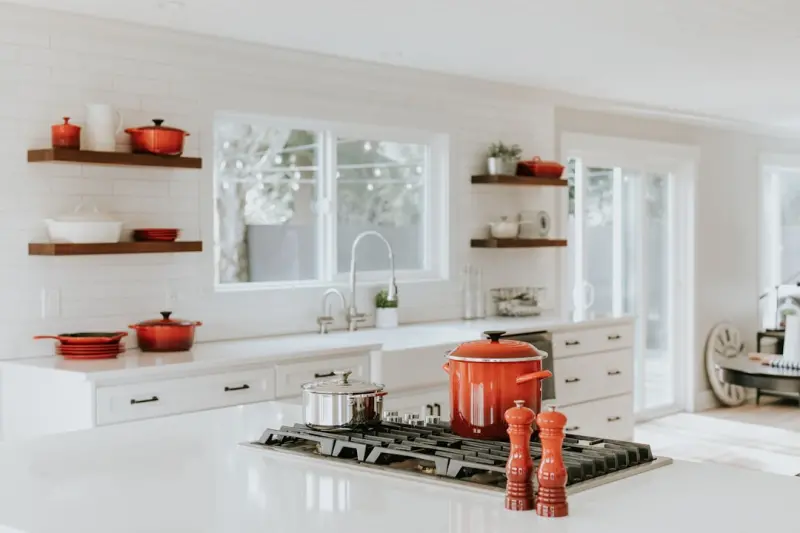
Rethinking the Appliance Lifecycle
Most homeowners treat kitchen appliances like disposable fashion items—when a sleek model hits the showroom floor, the older one is promptly tossed aside, regardless of its remaining functional years. What if we flipped that script and started evaluating appliances through the lens of durability, reparability, and long‑term cost, rather than fleeting design trends, we could unlock substantial savings while reducing waste, creating a kitchen that feels both timeless and resilient.
The Hidden Economics of Repair Over Replacement
Every time a dishwasher sputters or a refrigerator starts humming louder than usual, the instinctive reaction is to browse online for the “best” new model, but that impulse ignores the hidden costs of manufacturing, shipping, and eventual disposal; a professional repair can extend a unit’s life by five to ten years for a fraction of the price. By cultivating relationships with local technicians and keeping a spare parts kit on hand, you not only preserve the original aesthetic of your kitchen but also sidestep the steep depreciation curve that new appliances endure the moment they leave the box.
Designing for Redundancy: A Kitchen That Keeps Running
In the same way data centers employ redundant servers, a savvy cook can arrange appliances so that a single failure doesn’t halt meal prep; placing a countertop convection oven alongside a traditional stovetop creates a backup heat source, while a secondary mini‑fridge can store essential perishables if the main unit falters. This layered approach transforms the kitchen from a fragile, single‑point‑of‑failure environment into a robust workspace that tolerates glitches without forcing you to scramble for takeout or emergency repairs.
Modular Appliances: The Future of Flexible Kitchens
Manufacturers are beginning to release appliances built from interchangeable modules—think a washer‑dryer combo that can be split into independent units, or a dishwasher with a detachable rack system that can be upgraded piece by piece. By adopting such modular designs, you gain the ability to replace only the worn component rather than the entire machine, dramatically extending the overall lifespan and allowing you to tailor functionality to evolving cooking habits without a complete overhaul.
Energy Savings Hidden in Older Machines
Contrary to popular belief, many vintage appliances were engineered for efficiency long before “energy‑star” labels existed; older induction cooktops, for example, often operate at higher thermal efficiency due to simpler, more direct heating elements. Conducting a quick audit of your current energy draw—using a plug‑in power monitor—can reveal that a well‑maintained 20‑year‑old fridge may consume less electricity than a newer model with flashy smart features, especially when the latter is plagued by background Wi‑Fi modules that never truly go idle.
Smart Home Integration Without the Gimmick
While the market is saturated with gadgets promising to “make your life easier,” not every smart upgrade adds real value; a strategic integration, such as using smart home integration to monitor temperature thresholds on an existing oven, can enhance performance without replacing the core appliance. Pairing a legacy unit with a low‑cost, open‑source hub lets you automate alerts for maintenance needs, turning a conventional appliance into a proactive participant in your household’s energy management plan.
Secure Appliance Networking: Protecting the Kitchen from Cyber Threats
As more appliances gain connectivity, they become entry points for malicious actors, but you don’t need to discard perfectly functional gear to stay safe; implementing secure appliance networking practices—like segmenting kitchen devices on a dedicated VLAN and enforcing strong authentication—creates a protective barrier that preserves your existing equipment while shielding your data. This approach aligns with a broader philosophy of extending appliance life: security measures become an add‑on rather than a reason to replace.
Eco‑Friendly End‑of‑Life Strategies
When a unit finally reaches the end of its usable life, the responsible path is to divert it from landfill through recycling programs that reclaim metals, plastics, and refrigerants; many manufacturers now offer take‑back schemes that pay a modest rebate for old appliances, offsetting the cost of a new purchase. Additionally, repurposing components—turning an old dryer drum into a rustic outdoor fire pit, for instance—injects creativity into the disposal process, turning waste into functional art and reinforcing the mindset that appliances can have multiple chapters beyond their primary function.
Building a Kitchen Culture That Values Longevity
Ultimately, the shift from disposable to durable appliances requires a cultural adjustment: celebrating the patina of a well‑used toaster, sharing repair stories with friends, and documenting successful upgrades can inspire a community ethos that prizes longevity over novelty. By embedding these values into daily routines—such as scheduling quarterly maintenance checks and keeping a log of service dates—you create a feedback loop that rewards careful stewardship, reduces recurring expenses, and cultivates a kitchen environment where each appliance feels like a trusted partner rather than a fleeting trend.

Paul Flynn is a versatile freelance writer equipped with a diverse skillset and a portfolio that reflects his wide-ranging interests and expertise. From crafting compelling website copy and engaging blog posts to delivering in-depth articles and meticulously researched reports, Flynn demonstrates a remarkable ability to adapt his writing style to suit various audiences and purposes.
Related Posts
Appliance‑as‑a‑Service: Why the Future of Home Gear Is Subscription‑Based
The post uncovers the rise of Appliance‑as‑a‑Service, detailing its benefits, tech foundations... Read More
The Future of Home Appliances: Trends to Watch
The future of home appliances is exciting and full of possibilities. From smart appliances to eco-fr... Read More
When Your Refrigerator Starts Thinking: The Quiet Revolution of Empathetic Appliances
Modern appliances are evolving from cold, silent tools into empathetic partners that learn, anticipa... Read More
Top Posts

Crafting a Sustainable Wedding and an Everlasting Anniversary Celebration
A heartfelt guide to planning a wedding and anniversary that honor both love and the planet, featuring venue tips, sustainable food, vintage attire, digital inv...Read More
The Quiet Backbone: How the Internet’s Hidden Systems Shape Business Success
A deep dive into the internet’s unseen layers—DNS, CDNs, routing, data sovereignty, and decentralized identity—revealing how they can become strategic ass...Read More
The Sprint Culture Revolution: How Speed Shapes Modern Society
A deep dive into sprint culture’s impact on work, social interaction, and digital habits, offering insights on balancing speed with sustainable living....Read More

Holistic Safety Strategies for Remote SaaS Teams
A comprehensive guide to building a safety‑first culture that protects remote employees’ physical health, mental wellbeing, and operational resilience, deli...Read More
0 Comments
Post Comment
You will need to Login or Register to comment on this post!